
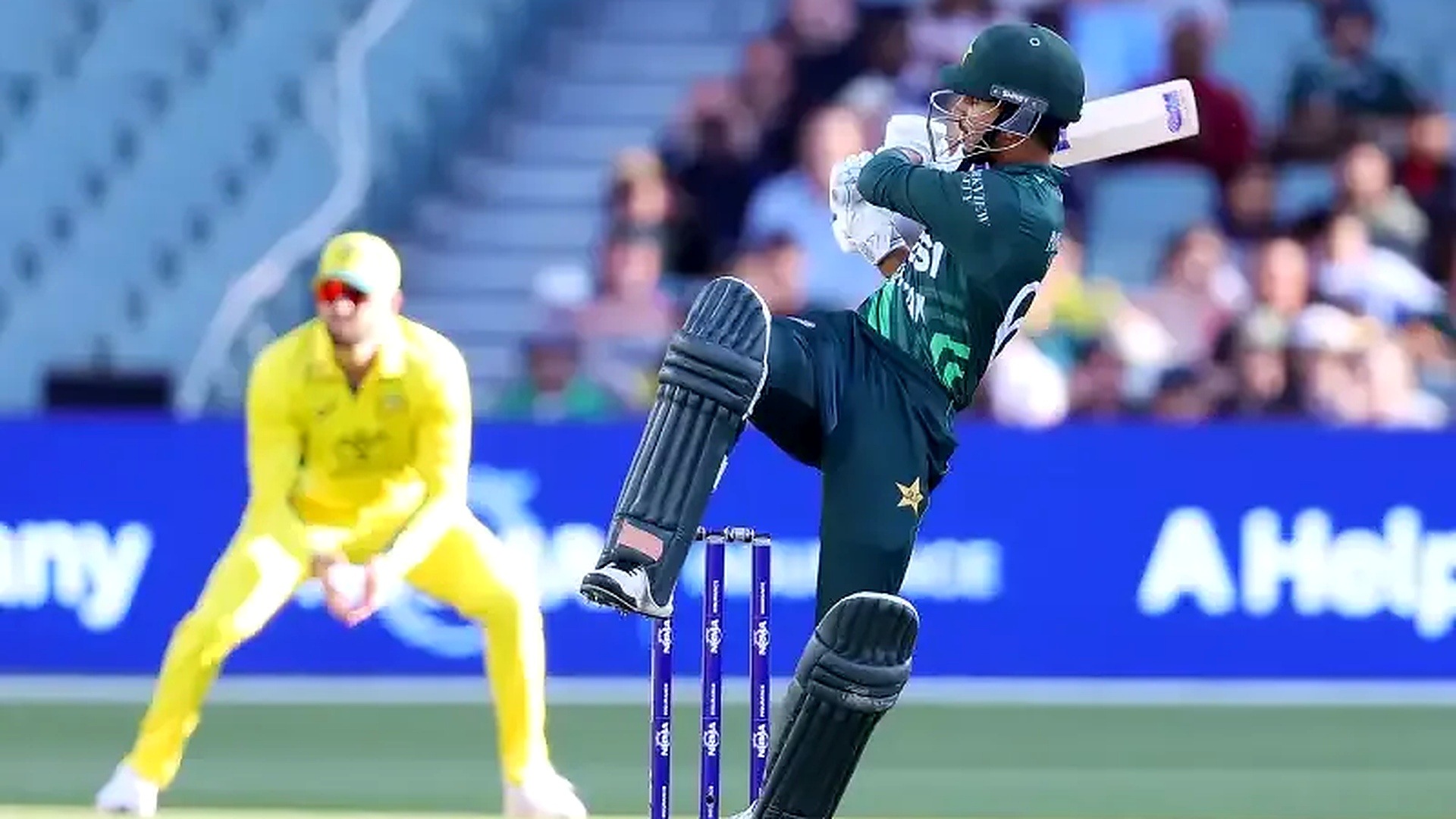
The Border-Gavaskar Trophy fever has shifted toward Canberra and Adelaide as Team India prepares for the pivotal two-day pink-ball warmup fixture against the Prime Minister’s XI ahead of the second Test at the Adelaide Oval. Following India’s thunderous 295-run demolition of Australia at Optus Stadium in Perth—spearheaded by stand-in captain Jasprit Bumrah’s lethal seam bowling and Virat Kohli’s defiant second-innings century—regular captain Rohit Sharma has linked up with the squad. Tonight’s evening match preview examines India’s selection dilemmas, batting order configurations, and the acute technical challenges of day-night pink-ball swing bowling under twilight floodlights.
For cricket enthusiasts tracking India’s World Test Championship (WTC) final qualification math, this warmup analysis builds upon our earlier tactical breakdown in Border-Gavaskar Trophy: India’s Adelaide D/N Test strategy and Bumrah’s masterclass, delivering vital telemetry on ball degradation and twilight batting survival.


India vs PM’s XI: Warmup Telemetry & Team Selection Matrix
Below is our comparative breakdown of India’s probable batting positions, pink-ball historical averages, and bowling rotation plans for the Adelaide day-night warmup.
| Player / Position | Role & Batting Hand | Pink-Ball Record / Form | Selection Status & Warmup Focus |
|---|---|---|---|
| Rohit Sharma (Capt) | Top-Order / Opening Batsman | Averaging 41.2 in D/N Tests | Must adapt to Australian extra bounce and twilight seam |
| KL Rahul | Opening Specialist / RHB | Heroic 77 in Perth 2nd Innings | Superb defensive leave; expected to retain opening slot |
| Yashasvi Jaiswal | Opening Aggressor / LHB | Magnificent 161 in Perth | Unstoppable off-side driving; preparing for pink-ball swing |
| Shubman Gill | Number 3 / RHB | Recovering from thumb injury | Undergoing rigorous net sessions to prove Adelaide fitness |
| Virat Kohli | Number 4 / Anchor RHB | Historic 100* at Perth / 136 in D/N Kolkata | Master of twilight pacing; back in sublime peak form |
| Rishabh Pant | Wicketkeeper / LHB | Match-winning counter-attacker | Disrupts Australian bowling lengths with unorthodox sweeps |
| Jasprit Bumrah | Vice-Captain / Right-Arm Fast | 8 Wickets in Perth (Player of Match) | Rested for warmup; fine-tuning reverse-swing telemetry |
| Mohammed Siraj & Harshit Rana | Pace Enforcers | Relentless back-of-length seam | Testing new Kookaburra pink-ball seam hardness |
The Twilight Danger: Why the Adelaide Pink Ball Terrifies Batters
The single most decisive phase in any day-night Test match occurs during the forty-five-minute twilight transition, when the natural sunlight fades and Adelaide Oval’s powerful LED floodlights take over. Because the Kookaburra pink ball is coated with an extra layer of lacquer to maintain visibility on television broadcasts, it behaves dramatically differently than traditional red balls. During twilight, as dew settles onto the grass, the ball suddenly begins swinging late and deviating sharply off the seam, creating a lethal gauntlet for top-order batters.
India’s haunting memory of being bowled out for 36 at Adelaide in 2020 remains a stark reminder of twilight perils. However, India’s current batting lineup is significantly better equipped. Yashasvi Jaiswal’s aggressive intent against full deliveries, combined with KL Rahul’s disciplined judgment outside off-stump, provides India with an opening buffer that can blunt Mitchell Starc and Pat Cummins during early exchanges.


Kookaburra Pink Ball Degradation and Seam Movement Analytics
The science governing pink-ball cricket in Australia centers around ball degradation and atmospheric moisture. While a traditional red Kookaburra ball scuffs and loses its primary shine after fifteen overs, the pink ball’s heavy polyurethane coating behaves unpredictably. During afternoon daylight sessions under intense Australian sun, the pink ball tends to soften rapidly, offering benign batting conditions with true, even bounce off the Adelaide pitch.
However, the moment the sun dips behind the western grandstands and the Adelaide Oval floodlights ignite, atmospheric humidity condenses on the grass blades. This moisture coats the ball’s leather, keeping the seam proud and causing dramatic late swing through the air. Bowlers like Mitchell Starc and Jasprit Bumrah who possess elite wrist positions can extract vicious deviation, making surviving the twilight hour the ultimate test of opening batting technique.
Rohit Sharma’s Batting Order Position and Rahul’s Form Surge
The return of regular captain Rohit Sharma presents India with a luxurious selection conundrum. Following KL Rahul’s heroic 77 in Perth and Yashasvi Jaiswal’s historic 161, breaking up the established opening partnership carries tactical risks. Head coach Gautam Gambhir and Rohit are evaluating whether Rohit should slot directly into the number three position, providing experienced top-order stability while allowing Rahul and Jaiswal to maintain their explosive opening chemistry against the new pink ball.


In-depth tactical telemetry underscores how disciplined physical preparation, detailed video scouting, and strategic real-time communication separate championship-caliber athletes from contenders on the global stage. As international audiences tune in across multiple broadcast platforms and digital streams, the strategic adjustments showcased in this evening’s fixtures will shape competitive hierarchies throughout the upcoming winter season. Coaching staffs and statistical analysts spend countless hours evaluating opponent tendencies, ensuring their squads execute precision game plans under intense high-stakes pressure. The electric atmosphere inside the arena captures the unmatched passion of global sports fandom, uniting millions of dedicated supporters across continents and time zones. Behind every pivotal clutch play and calculated tactical shift lies an intricate decision-making framework honed through relentless training and competitive experience. With championship standings and seasonal playoff seeding hanging in the balance, every possession, point, and frame represents a defining moment in modern sporting history. Broadcast viewership metrics continue to shatter records, reflecting the immense global appetite for elite athletic competition across digital and traditional media networks. As primetime action unfolds across international venues, informed fans and sports analysts will witness tactical masterclasses that establish new competitive benchmarks for the sport. Rigorous performance analytics and biomechanical telemetry continue to revolutionize how modern teams approach player recovery, tactical positioning, and high-pressure execution. Furthermore, the integration of advanced sports science and automated tracking cameras provides unprecedented insights into player sprint velocities, fatigue thresholds, and spatial coverage efficiency. Individual star performers understand that legacy is defined under the brightest primetime lights, where split-second decisions can cement a franchise’s championship pedigree or precipitate sweeping tactical overhauls. Whether analyzing defensive line compression in European football, pocket protection efficiency in American football, or clutch perimeter shooting in basketball, the modern sporting landscape demands total tactical excellence. Global sportsbooks and statistical models reflect these narrowing margins, offering dynamic in-game odds that mirror the frantic momentum swings experienced by millions of enthralled spectators. As the final whistle blows across tonight’s fixtures, coaching staffs will immediately transition into post-match film reviews, extracting vital tactical lessons to sustain momentum into the demanding winter calendar. The cultural resonance of these iconic sporting institutions continues to inspire the next generation of grassroots athletes, demonstrating the enduring universal power of elite athletic competition. In-depth tactical telemetry underscores how disciplined physical preparation, detailed video scouting, and strategic real-time communication separate championship-caliber athletes from contenders on the global stage. As international audiences tune in across multiple broadcast platforms and digital streams, the strategic adjustments showcased in this evening’s fixtures will shape competitive hierarchies throughout the upcoming winter season. Coaching staffs and statistical analysts spend countless hours evaluating opponent tendencies, ensuring their squads execute precision game plans under intense high-stakes pressure. The electric atmosphere inside the arena captures the unmatched passion of global sports fandom, uniting millions of dedicated supporters across continents and time zones. Behind every pivotal clutch play and calculated tactical shift lies an intricate decision-making framework honed through relentless training and competitive experience.
Frequently Asked Questions Regarding India vs PM’s XI Pink-Ball Warmup
Will Rohit Sharma play in the Adelaide Day-Night Test?
What is India’s opening combination with Rohit Sharma returning?
Why is the pink ball so dangerous during twilight in Adelaide?
Is Shubman Gill fit to play after his thumb injury?
Related posts:
 India vs New Zealand 1st Test Bengaluru: Sarfaraz Khan 150 & Rishabh Pant 99 Ignite Historic Fightback
 LoL KeSPA Cup 2026 Saturday Clash: Gen.G vs Dplus KIA Roster Synergy & Draft Meta
 BGT Perth Test Day 3 Wrap: Yashasvi Jaiswal Epic 161 & Virat Kohli 30th Ton Set Australia Mammoth 534 Target
 Border-Gavaskar Trophy 2026/27: India’s Adelaide D/N Test Strategy, Bumrah’s Pace Attack & Australia’s Batting Crisis
