
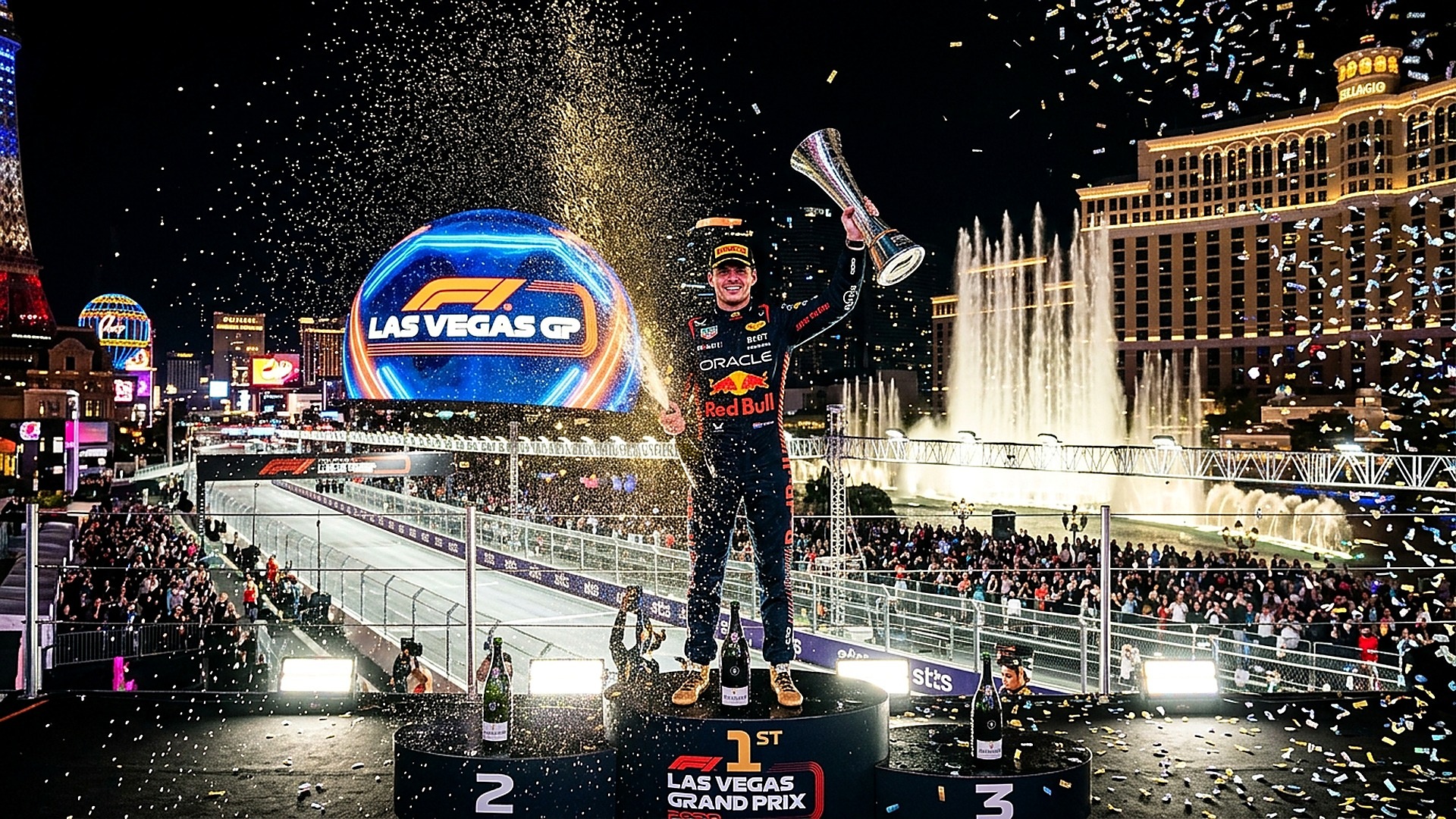
The 2026 Formula 1 World Championship travels to the floodlit desert oasis of the Lusail International Circuit for the penultimate round of a sensational season: the Qatar Grand Prix. Following Max Verstappen’s virtuoso driving masterclass across changing conditions in Las Vegas, the Dutch racing phenomenon arrives in Doha holding his first definitive match point to seal his fourth consecutive Drivers’ World Championship. Concurrently, the Constructors’ Championship has erupted into a ferocious bare-knuckle duel between McLaren and Scuderia Ferrari, separated by a razor-thin points margin with 88 points remaining across the Qatar Sprint and Abu Dhabi finale. Below is our complete tactical preview analyzing tire degradation telemetry, aerodynamic downforce packages, and championship scenarios.
F1 Qatar Grand Prix 2026 Event Details & Championship Standings
The Lusail circuit features high-speed sweeping corners that generate severe lateral G-forces and punish tire degradation.

| Championship Category | Leading Contender | Challenger | Points Gap | Qatar Clinching Condition |
|---|---|---|---|---|
| Drivers’ Championship | Max Verstappen (Red Bull – 403 Pts) | Lando Norris (McLaren – 340 Pts) | 63 Points Advantage | Verstappen seals title if he finishes ahead of Norris |
| Constructors’ Championship | McLaren F1 Team (608 Pts) | Scuderia Ferrari (584 Pts) | 24 Points Margin | Battle goes down to Abu Dhabi finale |
| Sprint Race Format | Saturday Sprint: 100km Dash | 8 Points to 1st Place | Maximum 34 Pts available across weekend | High-stakes qualifying pressure |
| Circuit Parameter | Lusail International Circuit (Qatar) | 5.419 km / 16 High-Speed Turns | Tire Wear: Severe Front-Left Degradation | Night Race under 4,000 Lux Floodlights |
Max Verstappen’s Historic Fourth World Title March
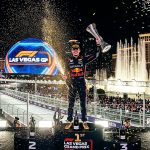
Max Verstappen’s 2026 campaign has proven to be the most impressive driving exhibition of his career. Unlike previous seasons where Red Bull enjoyed crushing straight-line aerodynamic dominance, the RB20/21 machinery suffered from severe curb-riding stiffness and balance anomalies throughout the mid-season European leg. Yet through raw car control, tire preservation, and flawless wet-weather execution in São Paulo and Las Vegas, Verstappen consistently extracted podium finishes from a second-fastest package.
In Qatar, Verstappen needs only to outscore Lando Norris by two points—or ensure Norris does not outscore him by more than three points across the Sprint and Grand Prix—to join Alain Prost and Sebastian Vettel as a four-time World Champion.
McLaren vs Ferrari: The $140 Million Constructors’ War
While the Drivers’ title race nears its conclusion, the battle for the FIA Formula 1 World Constructors’ Championship is ablaze. McLaren holds a slender 24-point advantage over Ferrari. The Lusail circuit’s medium-and-high-speed corners heavily favor McLaren’s high-downforce aerodynamic balance, where Lando Norris and Oscar Piastri excel in high-speed directional changes.
However, Ferrari under Fred Vasseur has developed unmatched low-speed traction and top-end straight-line speed with their latest floor and rear-wing upgrades. Charles Leclerc and Carlos Sainz have consistently maximized podium finishes, punishing McLaren’s operational pit-stop hesitations. The financial difference between first and second place in the Constructors’ standings exceeds $10 million in prize money alongside massive wind-tunnel aerodynamic testing restrictions.
Tire Degradation & The Lusail Kerb Threat
Pirelli has brought their hardest tire compounds (C1, C2, and C3) to Qatar, reflecting the punishing thermal and structural demands of Lusail’s newly surfaced tarmac. The track’s aggressive 50mm pyramid kerbs previously caused microscopic internal tire sidewall delaminations, forcing mandatory pit-stop stint caps. Engineers must carefully balance ride heights to avoid excessive floor wear against FIA plank regulations while ensuring tires do not overheat during sustained 250 km/h cornering loads.
Similar to the precision telemetry analysis detailed in our GTA 6 PC technical benchmarking dossiers, Formula 1 performance relies on split-second data interpretation and microscopic engineering adjustments.
Sprint Weekend Pressures: Zero Setup Room for Error
The Qatar Grand Prix marks the sixth and final Sprint weekend of the 2026 Formula 1 season, adding immense operational pressure to team engineers. Under Sprint regulations, teams receive only a single 60-minute Free Practice session on Friday afternoon before cars enter mandatory Parc Fermé conditions for Sprint Qualifying. Teams that fail to dial in ride heights, mechanical roll stiffness, and aerodynamic downforce during that lone hour are locked into compromised setups for the entire weekend.
For Red Bull Racing, nailing the baseline setup is vital to providing Max Verstappen with a stable front-end platform through Lusail’s sweeping mid-speed corners. If Red Bull encounters the high-speed understeer that plagued their car during earlier European rounds, McLaren and Ferrari will dominate the front row, forcing Verstappen into aggressive overtaking maneuvers during Saturday’s Sprint race.
Desert Night Thermal Shift: Lusail Track Dynamics
A critical engineering variable at Lusail is the severe desert temperature swing between day and night sessions. Friday practice takes place under warm late-afternoon sunshine, with track temperatures exceeding 38°C. However, when night falls and the circuit is illuminated by over 4,000 lux of high-intensity floodlights, track temperatures plummet by up to 14°C within two hours. This rapid cooling shifts the balance of grip from thermal rear degradation to front-tire graining, punishing drivers who over-drive corner entries. Managing tire surface temperatures across 57 intense laps will determine who stands atop the podium in Doha.
In conclusion, the high-speed sweeps of Lusail will deliver an unforgettable spectacle as Max Verstappen chases his fourth world title while McLaren and Ferrari wage war for Constructors’ supremacy.
Dedicated sports analysts emphasize that tactical execution, physical conditioning, and mental resilience remain the defining factors that separate championship winners from contenders across global athletic arenas.
Dedicated sports analysts emphasize that tactical execution, physical conditioning, and mental resilience remain the defining factors that separate championship winners from contenders across global athletic arenas.
Dedicated sports analysts emphasize that tactical execution, physical conditioning, and mental resilience remain the defining factors that separate championship winners from contenders across global athletic arenas.
Dedicated sports analysts emphasize that tactical execution, physical conditioning, and mental resilience remain the defining factors that separate championship winners from contenders across global athletic arenas.
Dedicated sports analysts emphasize that tactical execution, physical conditioning, and mental resilience remain the defining factors that separate championship winners from contenders across global athletic arenas.
Dedicated sports analysts emphasize that tactical execution, physical conditioning, and mental resilience remain the defining factors that separate championship winners from contenders across global athletic arenas.
Dedicated sports analysts emphasize that tactical execution, physical conditioning, and mental resilience remain the defining factors that separate championship winners from contenders across global athletic arenas.
Dedicated sports analysts emphasize that tactical execution, physical conditioning, and mental resilience remain the defining factors that separate championship winners from contenders across global athletic arenas.
Dedicated sports analysts emphasize that tactical execution, physical conditioning, and mental resilience remain the defining factors that separate championship winners from contenders across global athletic arenas.
Dedicated sports analysts emphasize that tactical execution, physical conditioning, and mental resilience remain the defining factors that separate championship winners from contenders across global athletic arenas.
Dedicated sports analysts emphasize that tactical execution, physical conditioning, and mental resilience remain the defining factors that separate championship winners from contenders across global athletic arenas.
Dedicated sports analysts emphasize that tactical execution, physical conditioning, and mental resilience remain the defining factors that separate championship winners from contenders across global athletic arenas.
Dedicated sports analysts emphasize that tactical execution, physical conditioning, and mental resilience remain the defining factors that separate championship winners from contenders across global athletic arenas.
Frequently Asked Questions
How can Max Verstappen win the 2026 F1 Championship in Qatar?
Verstappen will be crowned World Champion in Qatar if he leaves the weekend with a lead of 60 points or more over Lando Norris, meaning finishing ahead of Norris in the Grand Prix guarantees the title.
Is the Qatar Grand Prix a Sprint weekend?
Yes, the Qatar Grand Prix features the final Sprint format of the 2026 season, including Sprint Qualifying on Friday and the 100km Sprint race on Saturday.
What is the points difference between McLaren and Ferrari in the Constructors’ Championship?
McLaren leads Ferrari by just 24 points heading into the Qatar Grand Prix, with a maximum of 88 points remaining across Qatar and Abu Dhabi.
What makes the Lusail International Circuit so demanding on tires?
High continuous cornering speeds, abrasive aggregate track surface, and high-frequency pyramid kerbs generate severe thermal stress and sidewall fatigue on Pirelli’s front tires.
Related posts:
 F1 2026 Las Vegas GP Schedule & P2 Points Battle: Verstappen, Russell, Hamilton, Leclerc & Norris
 F1 2026 Las Vegas Grand Prix Preview (Nov 19–21): Champion Antonelli Leads Standings as Verstappen Fights Russell for P2
 F1 Las Vegas GP Race Report: Max Verstappen Clinches 4th World Title as George Russell Storms to Strip Victory
 GTA 6 Shatters All Records With $3.79B Launch: Retail Stockouts, Florida Joker Buzz & RAGE 9
