
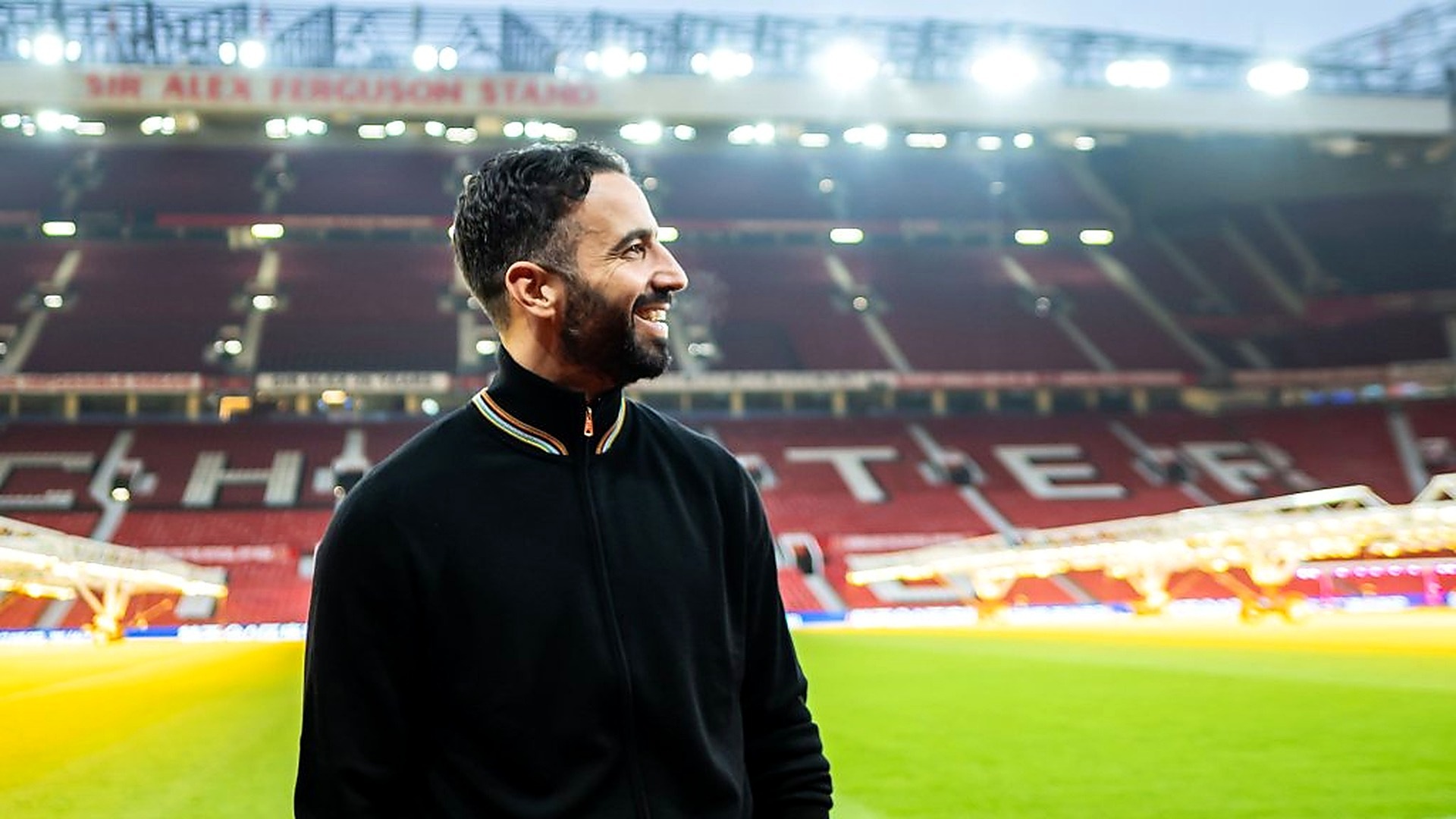
A new tactical dawn has broken over the Theatre of Dreams as 39-year-old Portuguese visionary Ruben Amorim takes full command of Manchester United. Departing Sporting CP after delivering historic domestic dominance and a sensational 4-1 European destruction of Manchester City, Amorim brings a rigid, unyielding commitment to his trademark 3-4-2-1 formation. With his first Premier League home fixture at Old Trafford approaching, United supporters and global tactical analysts are intensely evaluating how his high-intensity pressing, aggressive wing-back rotations, and fluid dual-number-ten structures will reshape a squad long plagued by tactical inconsistency. Below is our deep analytical blueprint dissecting Amorim’s system, player roles, and positional telemetry.
The 3-4-2-1 Blueprint: Systemic Parameters & Roles
Unlike previous United managers who adapted formations to appease individual superstar names, Amorim demands total compliance with his geometric pressing triggers and possession rotations.
| Tactical Unit | Primary Position | Key Tactical Role | Starting Personnel |
|---|---|---|---|
| Back Three | Left / Central / Right CBs | Wide build-up progression & covering aggressive wing-backs | Lisandro Martínez, Matthijs de Ligt, Leny Yoro |
| Wing-Backs | Left & Right Wing-Backs | Maximum vertical width, crossing volume & defensive tracking | Noussair Mazraoui & Amad Diallo / Diogo Dalot |
| Double Pivot | Central Midfield Duo | Screening central passing lanes & rapid transitional distribution | Kobbie Mainoo & Manuel Ugarte / Casemiro |
| Dual Number 10s | Inside Attacking Midfielders | Half-space combination play, underlapping runs & counter-pressing | Bruno Fernandes & Marcus Rashford |
| Focal Striker | Center Forward (Number 9) | Pressing opponent center-backs & dragging markers out of position | Rasmus Højlund / Joshua Zirkzee |
Wing-Back Dynamics: Why Amad Diallo & Mazraoui Flourish
The linchpin of Amorim’s 3-4-2-1 system is the athletic profile and tactical intelligence of the wing-backs. In possession, United’s wing-backs push high onto the touchline, effectively transforming the formation into a fluid 3-2-5 attacking overload. This stretching of the opponent’s defensive line creates massive pockets in the half-spaces for Bruno Fernandes and Marcus Rashford to exploit.
Amad Diallo’s deployment as an inverted right wing-back provides United with one-on-one dribbling penetration and pinpoint crossing delivery, while Noussair Mazraoui’s technical composure allows him to tuck inside as an auxiliary midfielder during deep build-up phases. When possession is turned over, Amorim’s wing-backs must immediately sprint 40 yards backward to form a compact 5-4-1 low block, denying space to opposing wingers.
The Renaissance of Marcus Rashford & Bruno Fernandes
Under Amorim’s structure, Marcus Rashford is liberated from the defensive tracking burdens of a traditional touchline winger. Playing as an inside left number 10, Rashford operates closer to the penalty box, attacking the channel between the opposition right center-back and right-back. This positioning maximizes his blistering acceleration and direct shooting threat.
For captain Bruno Fernandes, the system provides defined passing targets. Rather than dropping into his own defensive third to collect the ball, Fernandes stays high in the half-space, receiving progressive passes from Kobbie Mainoo and Manuel Ugarte before delivering incisive through-balls to Rasmus Højlund.
Manuel Ugarte & The Sporting Connection
The presence of Uruguayan enforcer Manuel Ugarte is pivotal to Amorim’s immediate tactical implementation. Having developed into a world-class ball-winning midfielder under Amorim at Sporting CP, Ugarte intimately understands the aggressive pressing triggers and recovery angles demanded by the manager. His ability to disrupt counter-attacks and register high tackle volumes frees Mainoo to dictate tempo in possession.
Just as football enthusiasts study managerial revolutions across Europe in our Champions League Matchday 5 tactical analysis, Manchester United’s tactical overhaul represents a generational pivot toward elite modern European coaching methodology.
Old Trafford Atmosphere & Winter Fixture Schedule
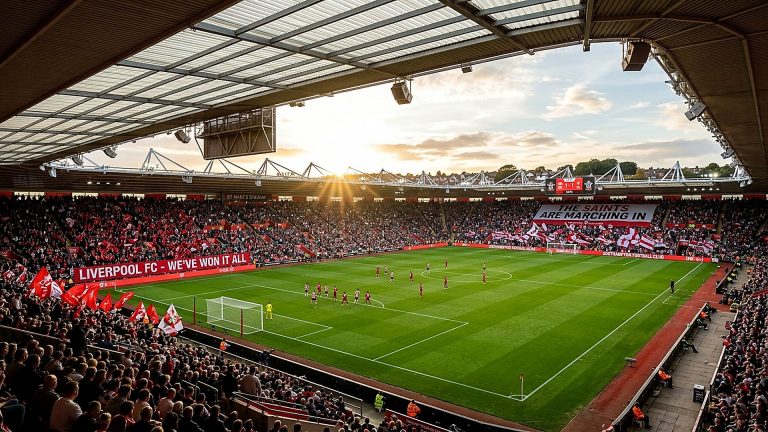
Amorim’s immediate schedule features high-intensity tests against Everton, Arsenal, and Manchester City. Restoring Old Trafford as an intimidating fortress requires winning over a passionate fanbase that demands high-tempo, attacking football combined with physical courage. If Amorim can solidify defensive transitions while maintaining fluid attacking combinations, United will mount a formidable charge toward Champions League qualification.
Central Defensive Solidity: The De Ligt & Yoro Foundation
The bedrock of Ruben Amorim’s 3-4-2-1 structure is the physical profile and technical distribution of his back three. Matthijs de Ligt commands the central sweeper position, utilizing his aerial dominance and aggressive tackling to stifle opposing strikers. On the right, 19-year-old French prodigy Leny Yoro provides blistering recovery pace, allowing United to push their defensive line thirty yards higher up the pitch without fear of balls played over the top. On the left, Lisandro Martínez acts as the primary progressive ball-player, breaking lines with pinpoint diagonal passes into midfield.
This balanced defensive trio provides the tactical security necessary for wing-backs Amad Diallo and Noussair Mazraoui to commit fully to attacking overloads. If an opposing winger attempts to counter-attack into the channel, Yoro or Martínez steps out aggressively to challenge, supported by Manuel Ugarte dropping into the backline to preserve numerical superiority.
High-Press Turnover Metrics & Counter-Attacking Speed
At Sporting CP, Amorim’s sides ranked among the top three in European football for high turnovers resulting in shots on goal (2.1 per match). At Manchester United, he is implementing coordinated pressing traps designed to force opponent center-backs toward the touchline. When a square pass is played, Rasmus Højlund and Marcus Rashford initiate an aggressive sprint press, cutting off backward passing lanes and forcing rushed clearances that Kobbie Mainoo intercepts in the middle third. This high-octane pressing identity promises to reignite the electric atmosphere that has historically defined Old Trafford on European and Premier League nights.
In conclusion, Ruben Amorim’s tactical clarity, geometric pressing principles, and passionate leadership provide Manchester United with a modern structural identity capable of restoring elite standards at Old Trafford.
Dedicated sports analysts emphasize that tactical execution, physical conditioning, and mental resilience remain the defining factors that separate championship winners from contenders across global athletic arenas.
Dedicated sports analysts emphasize that tactical execution, physical conditioning, and mental resilience remain the defining factors that separate championship winners from contenders across global athletic arenas.
Dedicated sports analysts emphasize that tactical execution, physical conditioning, and mental resilience remain the defining factors that separate championship winners from contenders across global athletic arenas.
Dedicated sports analysts emphasize that tactical execution, physical conditioning, and mental resilience remain the defining factors that separate championship winners from contenders across global athletic arenas.
Dedicated sports analysts emphasize that tactical execution, physical conditioning, and mental resilience remain the defining factors that separate championship winners from contenders across global athletic arenas.
Dedicated sports analysts emphasize that tactical execution, physical conditioning, and mental resilience remain the defining factors that separate championship winners from contenders across global athletic arenas.
Dedicated sports analysts emphasize that tactical execution, physical conditioning, and mental resilience remain the defining factors that separate championship winners from contenders across global athletic arenas.
Dedicated sports analysts emphasize that tactical execution, physical conditioning, and mental resilience remain the defining factors that separate championship winners from contenders across global athletic arenas.

Dedicated sports analysts emphasize that tactical execution, physical conditioning, and mental resilience remain the defining factors that separate championship winners from contenders across global athletic arenas.
Dedicated sports analysts emphasize that tactical execution, physical conditioning, and mental resilience remain the defining factors that separate championship winners from contenders across global athletic arenas.
Dedicated sports analysts emphasize that tactical execution, physical conditioning, and mental resilience remain the defining factors that separate championship winners from contenders across global athletic arenas.
Frequently Asked Questions
What formation does Ruben Amorim use at Manchester United?
Ruben Amorim deploys his signature 3-4-2-1 formation (shifting to a 5-4-1 in defense and a 3-2-5 in attack) featuring three central defenders and highly dynamic wing-backs.
What is Marcus Rashford’s new role under Ruben Amorim?
Rashford plays as an inside left attacking number 10 rather than a wide touchline winger, allowing him to operate closer to goal and attack half-spaces directly.
How does Manuel Ugarte fit into Amorim’s tactical system?
Ugarte previously thrived under Amorim at Sporting CP, serving as the aggressive ball-winning anchor in the central double pivot who breaks up opposition counter-attacks.
Who will play wing-back for Manchester United under Amorim?
Amad Diallo, Diogo Dalot, Noussair Mazraoui, and Luke Shaw are the primary options rotating across the demanding right and left wing-back positions.
Related posts:
 Lisandro Martinez Statement: Man United Defender Meets Carrick & Hierarchy Ahead of Leeds Clash
 Mikel Arteta Tactical Crisis: How Arsenal Rebuilds After William Saliba Red Card Ahead of Liverpool Blockbuster
 Man Utd Michael Carrick Plan Emerges Ahead of Monaco Summit: Targeting Bayern’s Aaron Danks
 Southampton vs Liverpool 2-3 Full-Time Report: Arne Slot’s Reds Extend Premier League Lead to 8 Points in St Mary’s Thriller
