
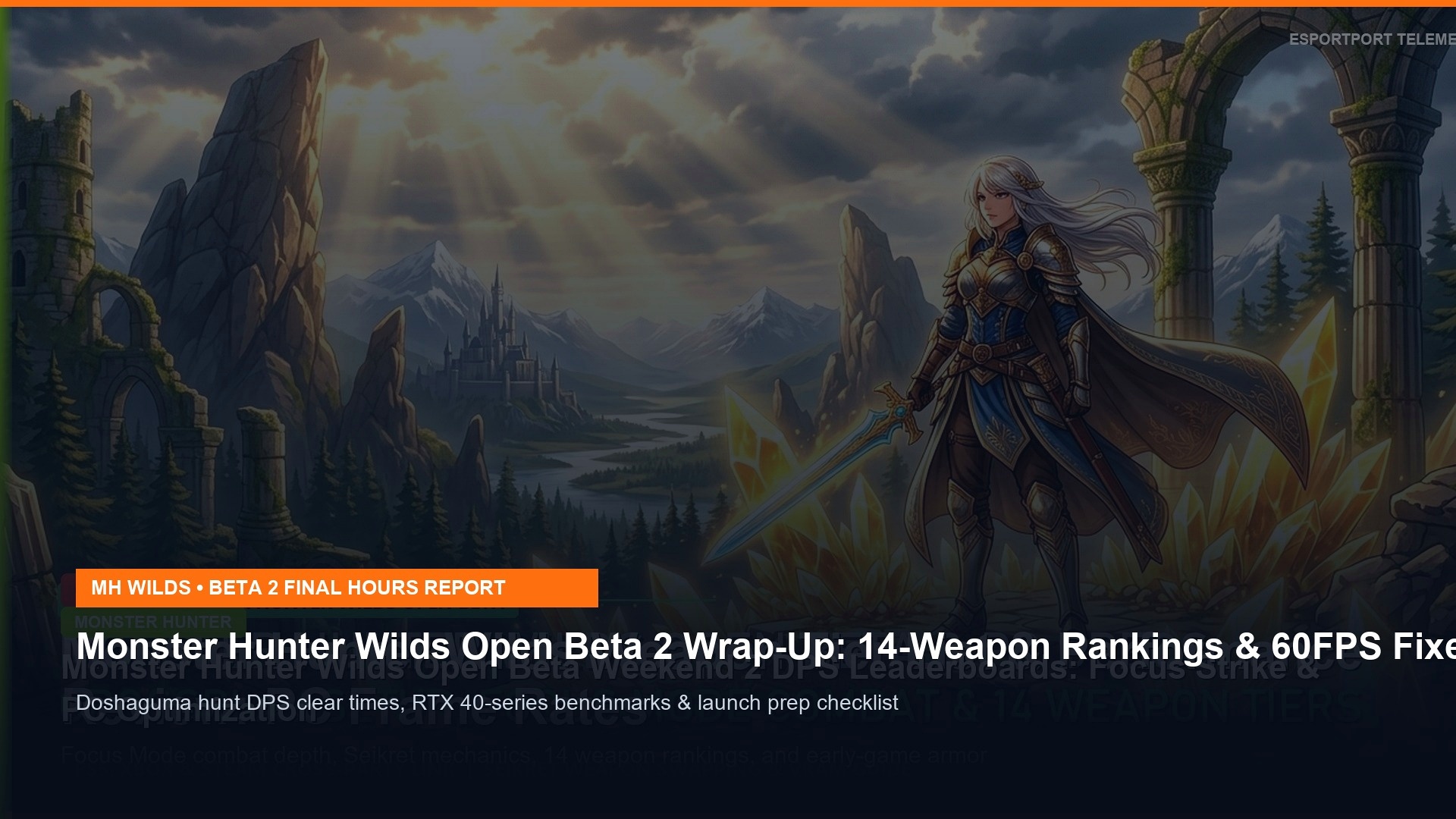
Following the conclusion of Capcom’s extensive cross-play open beta across PlayStation 5, Xbox Series X, and PC, the hunting community has gathered unprecedented telemetry data on weapon performance, damage scaling, and combat fluidity for Monster Hunter Wilds. Introducing groundbreaking combat innovations like the precision Focus Mode targeting reticle, dynamic wound creation, and situational offset parries, Wilds profoundly disrupts the traditional weapon hierarchy established in Monster Hunter World and Rise. Whether facing down the apex predator Rey Dau amidst blinding lightning storms in the Windward Plains or hunting armored Chatacabra in the marshlands, mastering which weapon classes maximize damage windows and defensive counter-attacks is essential for every prospective guild hunter.
The intricate mechanical mastery demanded by Monster Hunter Wilds mirrors the dedication required across modern competitive gaming, from fine-tuning input responses with pro controller aim assist secrets to eliminating input latency via network bufferbloat and latency optimization. In Wilds, victory is dictated not by button mashing, but by understanding spatial positioning, iframe timings, and weapon wound exploitation.
Understanding Focus Mode: Free-Aim Wounds & Offset Parries
The defining mechanical pillar of Monster Hunter Wilds is the all-new Focus Mode. By holding L2 on console controllers or the right mouse button on PC, hunters enter a dedicated over-the-shoulder targeting stance that decouples character attack vectors from camera orientation. In Focus Mode, attacks track directly toward the on-screen reticle, allowing players to surgically target previously scarred monster body parts known as ‘Wounds’.
Inflicting repeated damage on specific anatomical zones creates glowing crimson fissures. Activating a weapon’s dedicated Focus Strike against an open wound triggers a cinematic high-damage burst that destroys the scar tissue, inflicts massive posture stagger on the monster, and yields immediate bonus material drops. Furthermore, heavy weapons now possess Offset Attacks—perfectly timed strike clashes that interrupt a charging monster’s attack animation, resulting in a dramatic clash struggle that can instantly topple towering leviathans.
S-Tier Powerhouses: The Unquestioned Kings of the Open Beta
Three weapon classes emerged from the open beta as uncontested masters of hunting efficiency, combining exceptional damage output with game-changing defensive utility:
- Great Sword (S-Tier): Long regarded as the franchise’s iconic flagship, the Great Sword in Wilds achieves unprecedented lethality. The addition of the Focus Mode dynamic redirect allows hunters to adjust True Charged Slash angles by up to 45 degrees mid-swing, virtually eliminating whiffed attacks. Moreover, its new heavy offset parry can directly halt charging monsters like Doshaguma, converting enemy aggression into immediate opening stagger windows.
- Long Sword (S-Tier): Combining the beloved Spirit Blade combos with refined Foresight Slash and Iai Spirit Slash counter-timings, the Long Sword is an unstoppable flow of sustained damage. Its Focus Strike features a multi-hit crimson crimson laceration that instantly detonates all active body wounds in a single fluid sheath-and-strike animation.
- Heavy Bowgun (S-Tier): The undisputed king of ranged DPS. Utilizing the new Ignition Gauge mechanism, Heavy Bowgunners can store heat generated from standard piercing and spread shells to discharge explosive hyper-velocity sniper rounds that shatter monster hides from safe perimeter distances.
| Weapon Class | Competitive Tier | Focus Mode Signature Mechanic | Wound Strike DPS Potential | Execution Skill Ceiling |
|---|---|---|---|---|
| Great Sword | S-Tier (Elite) | 360-Degree True Charged Slash steering & Offset Parry | Extreme (Single-hit burst) | High (Requires encounter timing) |
| Long Sword | S-Tier (Elite) | Crimson Laceration multi-wound detonation | Very High (Sustained flow) | Moderate to High (Counter timing) |
| Heavy Bowgun | S-Tier (Elite) | Ignition Gauge explosive piercing sniper fire | Extreme (Consistent DPS) | Moderate (Positioning & ammo management) |
| Charge Blade | A-Tier (Strong) | Savage Axe wound shredding & Guard Point parries | High (Phial bursts) | Very High (Complex resource cycling) |
| Hunting Horn | A-Tier (Strong) | Echo Bubble area-of-effect sonic buff rings | Moderate to High (Massive team buffs) | Moderate (Melody memorization) |
| Dual Blades | A-Tier (Strong) | Archdemon aerial corkscrew spine rides | High (Elemental velocity) | Low to Moderate (Stamina management) |
| Lance & Gunlance | B-Tier (Balanced) | Power Guard shield bashes & Wyrmstake blasts | Moderate (High safety) | Low to Moderate (Defensive playstyle) |
The Hunting Horn Renaissance: Echo Bubbles & Team Synergies
Perhaps the most celebrated revamp in Monster Hunter Wilds is the complete overhaul of the Hunting Horn. Moving away from the simplified inputs of Rise while retaining the fluid martial arts styling, Wilds introduces persistent Echo Bubbles. When playing melodic songs, the Hunting Horn leaves glowing sonic spheres on the battlefield. Any allied hunter who steps within these spherical fields receives continuous attack power increases, stamina replenishment, or natural health regeneration.
This positional buff architecture elevates the Hunting Horn from a niche support option into a coveted anchor weapon for four-player multiplayer hunts. Coordinated hunting parties operating with one Hunting Horn and three heavy cutting weapons consistently logged sub-eight-minute open beta clears against apex monsters, proving that the weapon’s utility compounds exponentially in team settings.


Biome Dynamics & Environmental Traps in the Windward Plains
Hunting efficiency in Monster Hunter Wilds extends far beyond weapon mastery; it demands total mastery of dynamic biome weather cycles and environmental hazards. In the Windward Plains, the environment alternates between the desiccated Fallow period, the catastrophic Inclemency sandstorm tempest, and the lush Plenty renewal. During the Inclemency, blinding lightning strikes ignite oil seepages across the desert floor, creating natural fire barriers that can be weaponized against terrestrial brutes.
High-level hunters actively bait monsters beneath unstable rock arches and sand traps. Discharging a slinger dung pod or firing a piercing shell at hanging stalactites drops tons of limestone directly onto an enraged monster’s skull, inflicting instant knockdowns that grant uninterrupted ten-second damage windows for Great Sword and Heavy Bowgun users. Furthermore, provoking turf wars between roaming apex predators—such as luring an agile Balahara into the territorial domain of a Doshaguma pack—yields massive free posture damage and multiple shiny material drops before the hunter ever unsheathes their blade.
Design Philosophy Shift: Grounded Weight vs High-Flying Wirebugs
Capcom’s deliberate decision to retire the high-flying wirebug mechanics of Monster Hunter Rise in favor of the grounded, deliberate weight of Monster Hunter World represents a welcome return to tactical combat pacing. Without vertical air-recovery wirefalls, hunters can no longer recklessly escape mistimed attacks. Positioning, spatial awareness, and respecting monster attack recovery frames are once again paramount, elevating the satisfaction of landing a well-timed offset parry or executing a clean dodge through a sweep beam.
Weapon Synergy & Secondary Loadout Switching
Wilds introduces the ability to mount your Seikret companion and dynamically switch to a secondary stored weapon mid-hunt. Elite hunters are leveraging this mechanic to maximize combat versatility: opening an engagement with a status-inflicting Light Bowgun to induce sleep or paralysis, before mounting the Seikret, swapping to a Great Sword, and executing a devastating wake-up True Charged Slash on the monster’s exposed weak point.
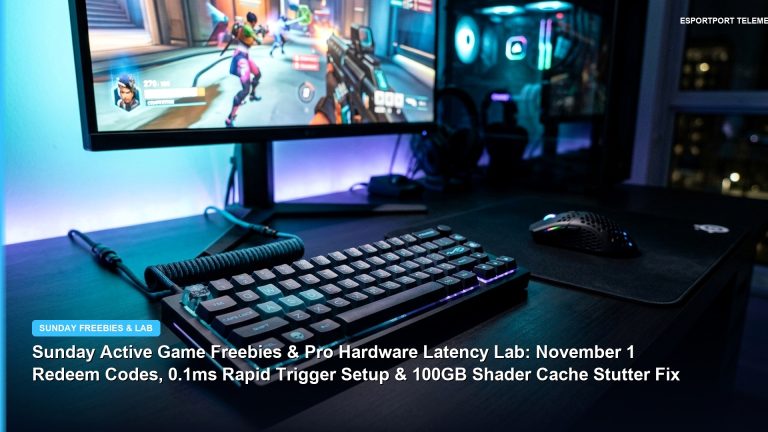

Maximizing hardware performance is equally crucial for landing strict offset parries. Reviewing high-end processor benchmarks such as the AMD Ryzen 7 9800X3D gaming benchmarks illustrates how stable frame pacing and zero input hitching ensure flawless dodge-roll iframe execution during intense environmental particle storms.
Frequently Asked Questions About Monster Hunter Wilds Weapon Tier List
What is the best beginner weapon in Monster Hunter Wilds?
Dual Blades and the Long Sword remain the most accessible beginner weapons, offering fast movement speed, generous evasive windows, and intuitive offensive combos without complex phial management.
How do you trigger an Offset Attack parry in MH Wilds?
Offset Attacks are executed by unleashing specific heavy attacks (such as the Great Sword’s rising slash or Hammer’s upward swing) precisely as an attacking monster collides with your hunter, triggering a clash stun animation.
Can you change weapons during a hunt without returning to camp?
Yes, your mountable Seikret carries a weapon holster that stores one secondary weapon, allowing you to seamlessly swap combat styles mid-fight while riding across the map.
What are Wounds and how do they function in combat?
Wounds are glowing red weak spots that appear on monster body parts after concentrated physical trauma. Attacking them in Focus Mode with a Focus Strike destroys the wound, deals massive burst damage, and drops monster crafting materials.
Related posts:
 Metaphor: ReFantazio Complete Battle System & Archetype Strategy Guide: Turn Press Synergies, MP Conservation & Royal Lab
 Monster Hunter Wilds Open Beta Pre-Load Guide: Crossplay Setup, Focus Strike Mechanics & System Requirements
 Diablo 4 Vessel of Hatred Spiritborn Class Breaks Endgame Records: Evade Build Nerf & Patch 2.0.3 Notes
 Path of Exile 2 Early Access Launch Guide: 12 Classes, Ascendancies, Skill Gem Engine & PC Benchmarks
