
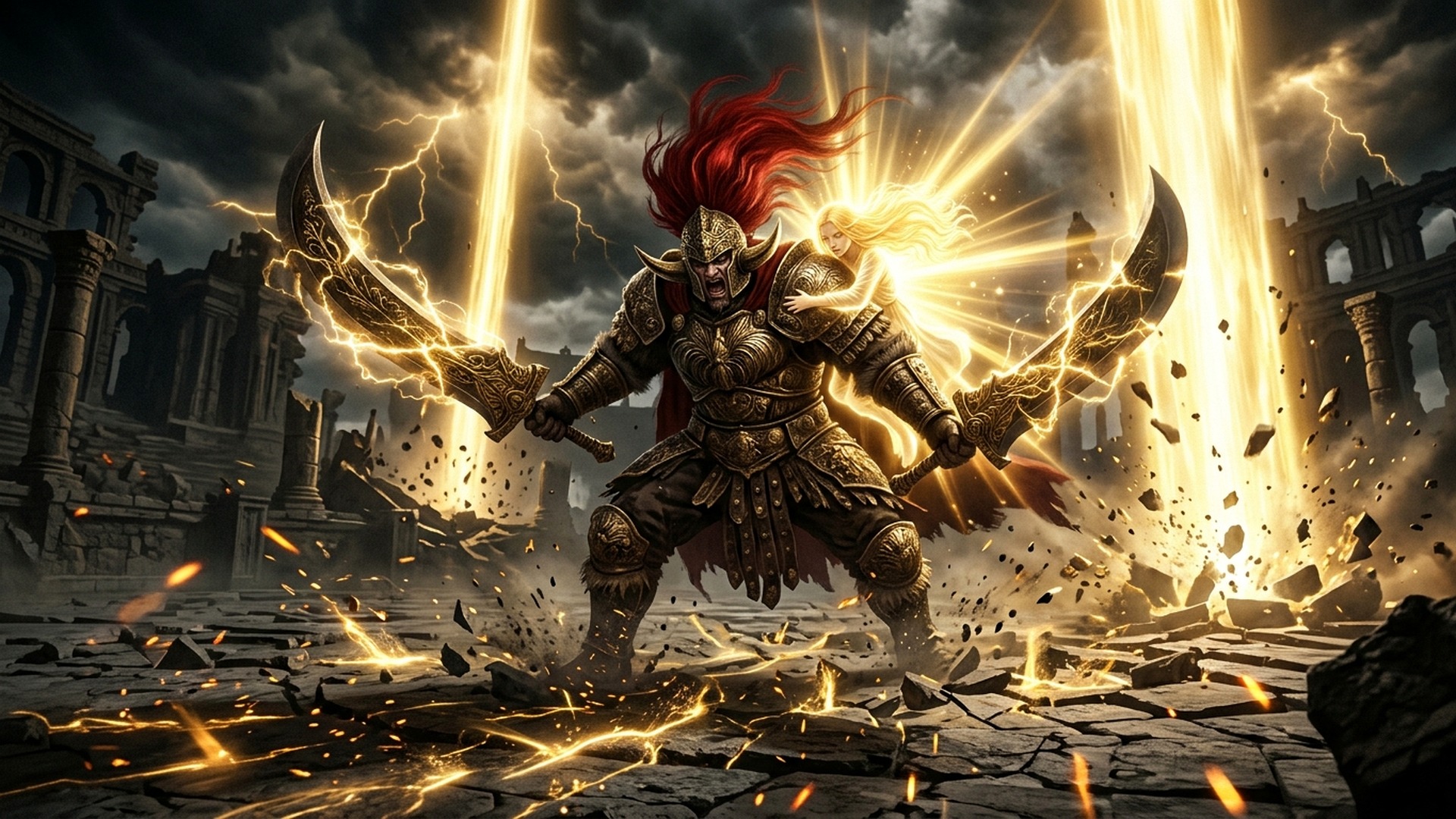
The annual announcement of nominees for The Game Awards represents the defining cultural pulse check for the global video game industry. In late 2024, Geoff Keighley and the international voting jury unveiled a shortlist that ignited one of the fiercest debates in gaming history. For the first time in the history of the modern flagship awards ceremony, an expansion pack—FromSoftware’s monumental Elden Ring: Shadow of the Erdtree—earned a nomination for the coveted Game of the Year (GOTY) crown. Standing alongside commercial powerhouses like Black Myth: Wukong, critical platforming marvels like Astro Bot, and groundbreaking indie phenomenons like Balatro, the presence of downloadable content on the marquee ballot has fundamentally divided critics, industry veterans, and millions of passionate players worldwide.
The debate challenges established standards of creative evaluation. As live-service seasons and massive expansions blur the boundaries between base games and post-launch DLC, the decision to allow expansions to compete directly against multi-year full releases raises vital questions. Gamers tracking industry trends through our breakdown of the top 5 most played esports games in late 2026 understand that digital ecosystems are evolving rapidly.
The Rule Change and Geoff Keighley’s Formal Justification
Days prior to the official nomination reveal, The Game Awards updated its FAQ section with explicit language clarifying that downloadable expansions, new game seasons, remakes, and remasters are completely eligible across all categories—including Game of the Year. The governing committee noted that if the international voting jury of over 100 global media outlets and creator organizations deems the creative craftsmanship, artistic merit, and mechanical depth of an expansion worthy of top honors, technical packaging should not serve as an artificial barrier to entry.
Supporters of the decision pointed directly to the staggering scale of FromSoftware’s achievement in the Land of Shadow. With over 40 hours of bespoke content, more than 10 major remembrance bosses, sprawling labyrinthine legacy dungeons, and dozens of new weapon archetypes, Shadow of the Erdtree possesses more sheer volume, artistic complexity, and mechanical density than the vast majority of standalone \$70 retail titles released throughout the entire calendar year. From an auteur perspective, director Hidetaka Miyazaki delivered a masterclass that pushed the boundaries of modern dark-fantasy action RPGs.
However, detractors argued that treating expansions identically to standalone games creates an inherently unlevel playing field. An expansion inherently borrows its foundational game engine, core physics systems, control scheme, underlying combat balance, and user interface from a base game that already won Game of the Year two years prior. Developing a 40-hour content slice upon pre-established, critically lauded foundations carries vastly fewer creative and financial risks than conceptualizing, prototyping, and executing an entirely original IP from the ground up.
The Black Myth: Wukong vs. Astro Bot Divide
The philosophical friction intensified exponentially due to the divergent creative philosophies represented among the competing full-game contenders. Game Science’s Black Myth: Wukong emerged as a cultural and commercial phenomenon of historic proportions, smashing concurrent player records on Steam with over 2.4 million simultaneous users and capturing universal acclaim across Asia and global enthusiast communities. Its exclusion from several core technical categories and the sheer prospect of losing top honors to an expansion pack generated profound frustration among players who believe raw consumer impact and technical ambition should anchor major awards.
Conversely, Team Asobi’s Astro Bot captured pure critical adoration by delivering an exquisite 3D platforming experience celebrated for mechanical inventiveness, joyful pacing, and seamless integration of PlayStation hardware haptics. Yet Astro Bot represents a tightly focused, nostalgic celebration rather than a sweeping narrative epic, prompting intense community debates regarding whether a whimsical platformer, a brutal Chinese mythic action-adventure, or FromSoftware’s grim dark-fantasy DLC best represents the pinnacle of gaming excellence in 2024.
| 2024 GOTY Nominee | Developer / Publisher | Metacritic Score | Key Innovation & Cultural Impact | Primary Award Category Strength |
|---|---|---|---|---|
| Astro Bot | Team Asobi / Sony | 94 / 100 | Pure mechanical joy, DualSense haptic mastery, celebration of gaming history | Game of the Year, Best Game Direction |
| Balatro | LocalThunk / Playstack | 90 / 100 | Solo-developed poker roguelike revolutionizing procedural synergy design | Best Independent Game, Best Debut Indie |
| Black Myth: Wukong | Game Science | 81 / 100 | Unreal Engine 5 graphical milestone, historic 2.4M concurrent player record | Best Action Game, Best Visual Design |
| Elden Ring: Shadow of the Erdtree | FromSoftware / Bandai Namco | 95 / 100 | Sprawling 40-hour expansion setting standard for vertical level design | Game of the Year, Best RPG |
| Final Fantasy VII Rebirth | Square Enix | 92 / 100 | Massive open-world reimagining, intricate character synergy combat | Best Score and Music, Best RPG |
| Metaphor: ReFantazio | Studio Zero / Atlus | 94 / 100 | High-concept socio-political turn-based fantasy RPG with innovative calendar | Best Narrative, Best Art Direction |
The Indie Breakthrough: The Balatro Phenomenon
Amidst the multi-million-dollar blockbuster crossfire stood Balatro, the hypnotic, solo-developed poker roguelike created by pseudonymous developer LocalThunk and published by Playstack. Built entirely around manipulating standard 52-card decks with rule-breaking Joker modifications, tarot cards, and planet vouchers, Balatro bypassed high-budget cinematic cutscenes and cutting-edge ray-tracing graphics to deliver one of the most addictive, intellectually stimulating gameplay loops ever conceived.
Its nomination for Game of the Year alongside three major genre category nominations marked an extraordinary validation for independent game development. Similar to the competitive balance analyzed in our tactical top 10 CS2 players in the world guide, Balatro proved that pristine mathematical elegance and flawless gameplay loops consistently triumph over bloated production budgets when capturing authentic player engagement.
Future Precedent: How The Industry Re-Evaluates Expansions
Regardless of which title hoists the final physical trophy at the Peacock Theater in Los Angeles, the 2024 Game of the Year ballot has irrevocably altered industry norms. Major publishers and creative leads are closely observing whether the normalization of DLC eligibility incentivizes studios to double down on massive modular expansions rather than developing standalone sequels. If an expansion can secure the most prestigious honor in gaming while leveraging existing tech stacks, marketing momentum, and established audiences, the financial and developmental calculus of AAA gaming roadmaps will inevitably tilt toward extended post-launch lifecycles.
Furthermore, the controversy has prompted discussions surrounding the creation of a dedicated “Best Ongoing Content” or “Best Expansion/DLC” premier trophy, mirroring the distinction long established between short-form and feature-length cinema in film academies. Until such structural delineations are officially codified, the tensions between standalone creative risk and refined expansion mastery will remain the defining debate of modern gaming criticism.

Jury Diversity and the Evolution of Digital Interactive Art
The philosophical controversy ignited by The Game Awards in 2024 has accelerated wider industry dialogue concerning how media critics quantify artistic innovation. Traditionally, award institutions favored sprawling cinematic narrative epics that mimicked Hollywood prestige dramas. However, the dual presence of Astro Bot and Balatro represents a decisive cultural rebellion in favor of pure, unadulterated gameplay mechanics. Video games are fundamentally interactive systems defined by player agency, responsive feedback loops, and tactile immersion rather than non-interactive pre-rendered cinematics. By elevating an indie deckbuilder and a joyful 3D platformer alongside FromSoftware’s grim expansion, the 2024 ballot has permanently disrupted the rigid formula of what constitutes an award-worthy masterpiece in the modern era of interactive entertainment.
Frequently Asked Questions (FAQ)
Why was Elden Ring: Shadow of the Erdtree allowed to be nominated for Game of the Year?
The Game Awards updated its official voting guidelines to clarify that downloadable expansions, remakes, remasters, and new seasonal content are fully eligible across all award categories, including Game of the Year, provided the international voting jury believes their creative quality and scale merit top honors.
Has a DLC expansion ever been nominated for Game of the Year before 2024?
While expansions like The Witcher 3: Blood and Wine famously won Best RPG at The Game Awards in 2016, Shadow of the Erdtree represents the first time an expansion pack was officially nominated for the primary flagship Game of the Year trophy at the event.
Which game won the overall Game of the Year trophy at The Game Awards 2024?
Team Asobi and Sony Interactive Entertainment’s platforming masterpiece Astro Bot won Game of the Year, capturing four total awards including Best Game Direction and Best Action/Adventure Game.
How many awards did indie sensation Balatro win at the ceremony?
Solo developer LocalThunk’s poker roguelike Balatro captured three major trophies: Best Independent Game, Best Debut Indie Game, and Best Mobile Game, cementing its legacy as one of the most successful indie titles in gaming history.
Related posts:
 Free Steam Demo AI Costs Top $1,000 Daily: Studio Takes Bank Loan
 Metaverse Gaming 2026: Spatial Computing, Neural Avatars & Virtual World Architecture
 Can Pokémon Cards Really Make You Rich? The Brutal Truth Behind the $10 Billion Poké-Investing Boom
 Real Madrid Project Record €1.4 Billion Revenue Via Bernabéu Engine as Barcelona Tear Toward 121-Goal Benchmark
