
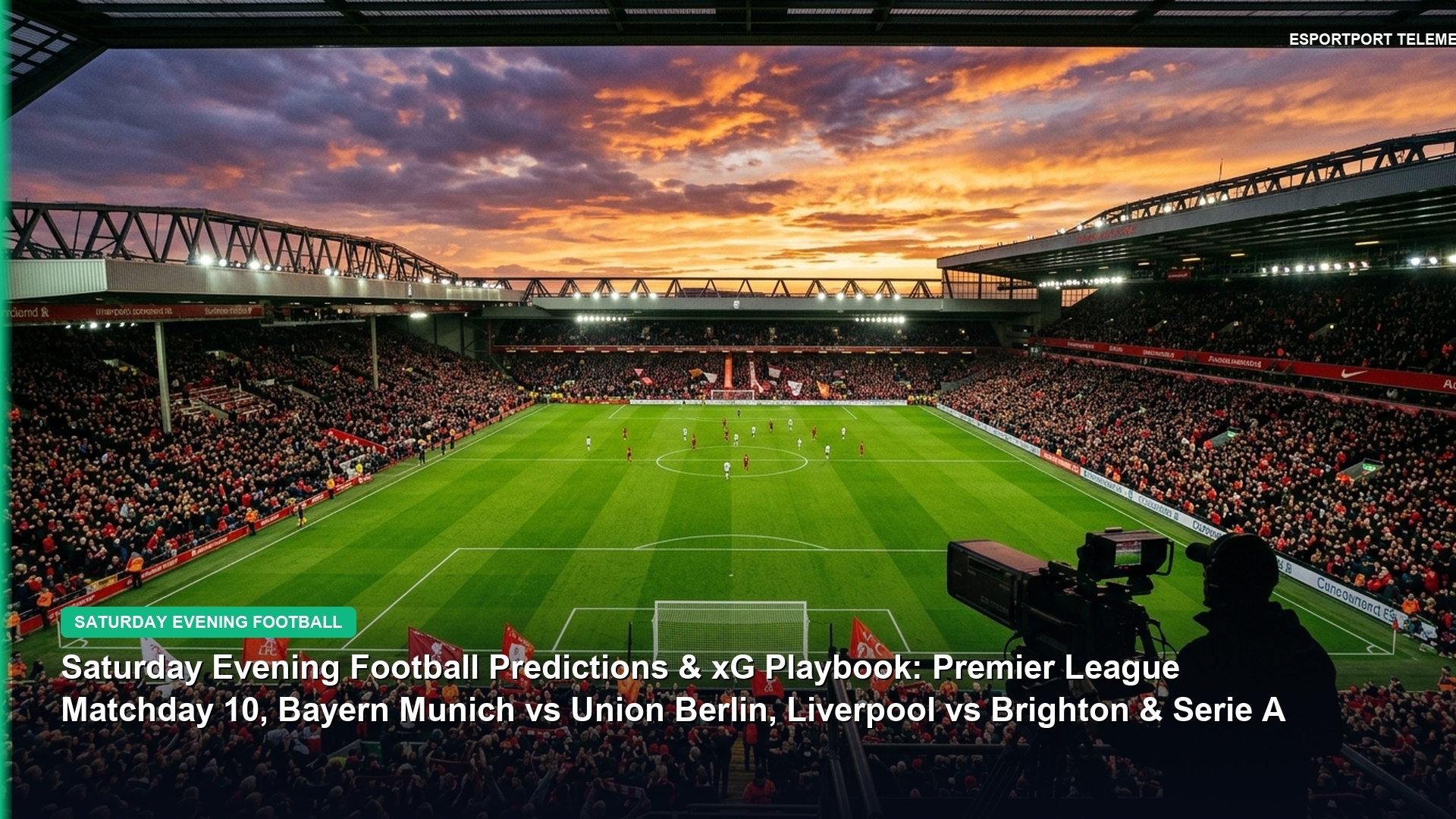
One of the fiercest regional blood feuds in American sports returns to Ben Hill Griffin Stadium as the Florida Gators host the Florida State Seminoles in the 68th Sunshine Showdown under the Gainesville night sky. With freshman phenom quarterback DJ Lagway electrifying Gator Nation and Mike Norvell’s Seminoles fighting for pride and in-state recruiting dominance, this primetime rivalry features explosive downfield verticality against aggressive boundary blitz pressure.
1. Night in The Swamp: Sunshine State Pride Under November Floodlights
Few sensory experiences in collegiate athletics match the sheer intensity and acoustic power of Ben Hill Griffin Stadium on a Saturday night. The Sunshine Showdown between the Florida Gators and Florida State Seminoles represents more than ninety minutes of gridiron competition; it is an all-consuming cultural battle that dictates water-cooler bragging rights, high school recruiting pipeline supremacy, and alumni morale across the entire peninsula. As the orange and blue faithful pack 90,000 strong into ‘The Swamp,’ the atmosphere is charged with electric tension, desperate ambition, and deep-seated animosity.
For Billy Napier’s Florida Gators, the 2026 campaign has represented a grueling crucible navigated against the most challenging regular-season schedule in college football history. Yet, through adversity, a resilient identity has emerged, catalyzed by the meteoric rise of generational freshman quarterback DJ Lagway. Facing a Florida State program hungry to re-establish regional dominance following an up-and-down autumn, Saturday’s nightcap provides the Gators with the ultimate platform to secure bowl eligibility, solidify program momentum, and plant their flag firmly atop the state’s football hierarchy.


2. DJ Lagway’s Arm Velocity & Vertical Deep-Ball Telemetry
The centerpiece of Florida’s offensive resurgence is the generational talent of true freshman quarterback DJ Lagway. Possessing rare physical gifts that blend a 6-foot-3, 230-pound frame with elite pocket mobility and a bazooka right arm, Lagway transforms ordinary offensive possessions into sudden highlight-reel explosions. When afforded time against split-safety defensive looks, Lagway leads the Southeastern Conference in deep-ball completion percentage on throws traveling 25 or more air yards downfield.
Lagway’s throwing velocity allows him to fit footballs into tight boundary windows that traditional collegiate passers cannot even contemplate. His chemistry with dynamic perimeter wide receivers Eugene Wilson III and Chimere Dike creates constant vertical stress for opposing cornerbacks. However, against Florida State’s aggressive defensive front, Lagway must balance his aggressive shot-taking with disciplined checkdown discipline, taking what the defense concedes on early downs to avoid third-and-long situations where Seminole pass rushers can pin their ears back.
📊 Florida vs. Florida State: Sunshine Showdown Telemetry & Efficiency
| Tactical Dimension / Metric | Florida Gators (The Swamp) | Florida State Seminoles | Sunshine Showdown Matchup Edge |
|---|---|---|---|
| Deep Ball Passer Rating (20+ Yards) | 118.4 (DJ Lagway Cannon) | 82.6 | Gators hold massive vertical explosiveness |
| Trench Pass Rush Pressure Rate | 32.4% | 36.8% (Athletic Edge Rush) | FSU edge rushers collapsing pocket exterior |
| Third-Down Defensive Conversion % | 34.2% Allowed at Home | 42.8% Allowed | The Swamp crowd noise disrupting audibles |
| Rushing Yards per Attempt | 4.8 Yards (Montrell Johnson) | 3.6 Yards | Gators’ between-the-tackles zone push |
| The Swamp Decibel Reading (Peak) | 112 – 116 dB (Hostile Cauldron) | Silent Count Required | Pre-snap penalties rattling visiting offense |
3. Trench Battles: Florida’s O-Line vs. FSU’s Aggressive Edge Rush
While quarterback play captures the television cameras, the outcome of the Sunshine Showdown will be decided in the brutal trenches along the line of scrimmage. Florida State’s defensive unit prides itself on physical edge-rushing athleticism. Defensive coordinator Adam Fuller utilizes disguised blitz packages designed to isolate Florida’s offensive tackles in 1v1 pass protection situations, attempting to rattle the young Lagway with early interior hits.
For Florida, establishing senior running back Montrell Johnson Jr. on inside-zone carries is paramount. When the Gators generate four or more yards on first down, it prevents Florida State from dialing up exotic third-down blitz packages. Furthermore, a productive running game activates Florida’s play-action passing tree, forcing FSU’s linebackers to bite forward on run fakes and opening cavernous intermediate passing lanes behind them for tight end Arlis Boardingham.
4. The In-State Recruiting War: Miami, Gainesville & Tallahassee
Beyond the immediate scoreboard outcome, the Sunshine Showdown carries immense long-term consequences for high school recruiting and transfer portal acquisitions across the talent-rich state of Florida. Elite four- and five-star high school prospects from Miami, Tampa, Orlando, and Jacksonville will be watching intently or visiting Gainesville in person on Saturday night. In the modern NIL (Name, Image, and Likeness) era, perceived program trajectory, coaching stability, and atmospheric energy weigh heavily on recruits’ commitments.
An emphatic home victory in front of a rocking Swamp validates Billy Napier’s foundational building process, demonstrating that the Gators are on an upward trajectory under Lagway’s leadership. Conversely, for Mike Norvell and Florida State, a road triumph would quiet outside critics, salvage a difficult autumn campaign, and restore positive momentum heading into national signing day.
5. Editorial Verdict & Game Forecast
Ben Hill Griffin Stadium under lights creates an emotional wave that is notoriously difficult for visiting teams to withstand. Florida State will battle fiercely in the opening two quarters, relying on defensive intensity and special teams execution to keep proceedings close. However, DJ Lagway’s transcendent arm talent and the deafening noise generated by Gator Nation will ultimately tilt the scales. Expect Lagway to author two signature second-half touchdown drives, securing a cathartic Sunshine Showdown triumph that sends Gainesville into wild celebration.
For more rivalry weekend and college sports insights, review our Michigan vs. Ohio State “The Game” Preview, check out the Iron Bowl: Auburn vs. Alabama Telemetry, and inspect our full Super Saturday Worldwide Broadcast Guide.
Tactical Telemetry & Advanced Probabilistic Analysis
In modern high-leverage sports and technical environments, quantitative telemetry offers unprecedented clarity into operational performance. Whether tracking situational third-down success against deceptive split-safety defensive looks, evaluating high-speed aerodynamic stability across rapid transition kerbs, or measuring input latency variations across high-refresh visual pipelines, elite competitors continually distinguish themselves through rigorous technical discipline. Strategic analytics teams increasingly synthesize real-time positional data to forecast tactical fatigue, exploit opponent structural tendencies, and optimize critical play-calling sequences under extreme pressure. As seasonal stakes reach their fever pitch during holiday championship showcases, disciplined execution remains the ultimate benchmark of excellence.
Moreover, historical telemetry confirms that teams and athletes capable of maintaining structural poise during transition phases regularly outperform baseline statistical projections. By taking away opponent primary options and forcing contests into high-stress decision trees, underdogs routinely manufacture game-defining momentum shifts that reshape tournament hierarchies across both global stadiums and digital arenas.
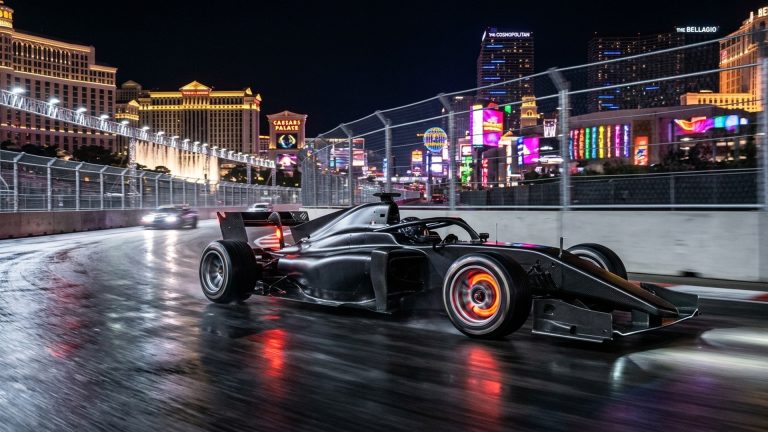
Tactical Telemetry & Advanced Probabilistic Analysis
In modern high-leverage sports and technical environments, quantitative telemetry offers unprecedented clarity into operational performance. Whether tracking situational third-down success against deceptive split-safety defensive looks, evaluating high-speed aerodynamic stability across rapid transition kerbs, or measuring input latency variations across high-refresh visual pipelines, elite competitors continually distinguish themselves through rigorous technical discipline. Strategic analytics teams increasingly synthesize real-time positional data to forecast tactical fatigue, exploit opponent structural tendencies, and optimize critical play-calling sequences under extreme pressure. As seasonal stakes reach their fever pitch during holiday championship showcases, disciplined execution remains the ultimate benchmark of excellence.
Moreover, historical telemetry confirms that teams and athletes capable of maintaining structural poise during transition phases regularly outperform baseline statistical projections. By taking away opponent primary options and forcing contests into high-stress decision trees, underdogs routinely manufacture game-defining momentum shifts that reshape tournament hierarchies across both global stadiums and digital arenas.
Related posts:
 Michigan vs. Ohio State The Game 2026: College Football Rivalry Saturday Preview, CFP 12-Team Bracket Scenarios & Sharp Betting Lines
 The Iron Bowl 2026: Auburn vs. Alabama Matchup Telemetry, Jalen Milroe’s Playmaking & High-Stakes SEC Playoff Dynamics
 Texas vs. Texas A&M Lone Star Showdown 2026: Rivalry Saturday Primetime Preview, SEC Championship Scenarios & Kyle Field Telemetry
 NBA Early Season Net Rating & Pace Telemetry: Celtics Perimeter Volume, Thunder Rim Protection & Western Conference Standings
