
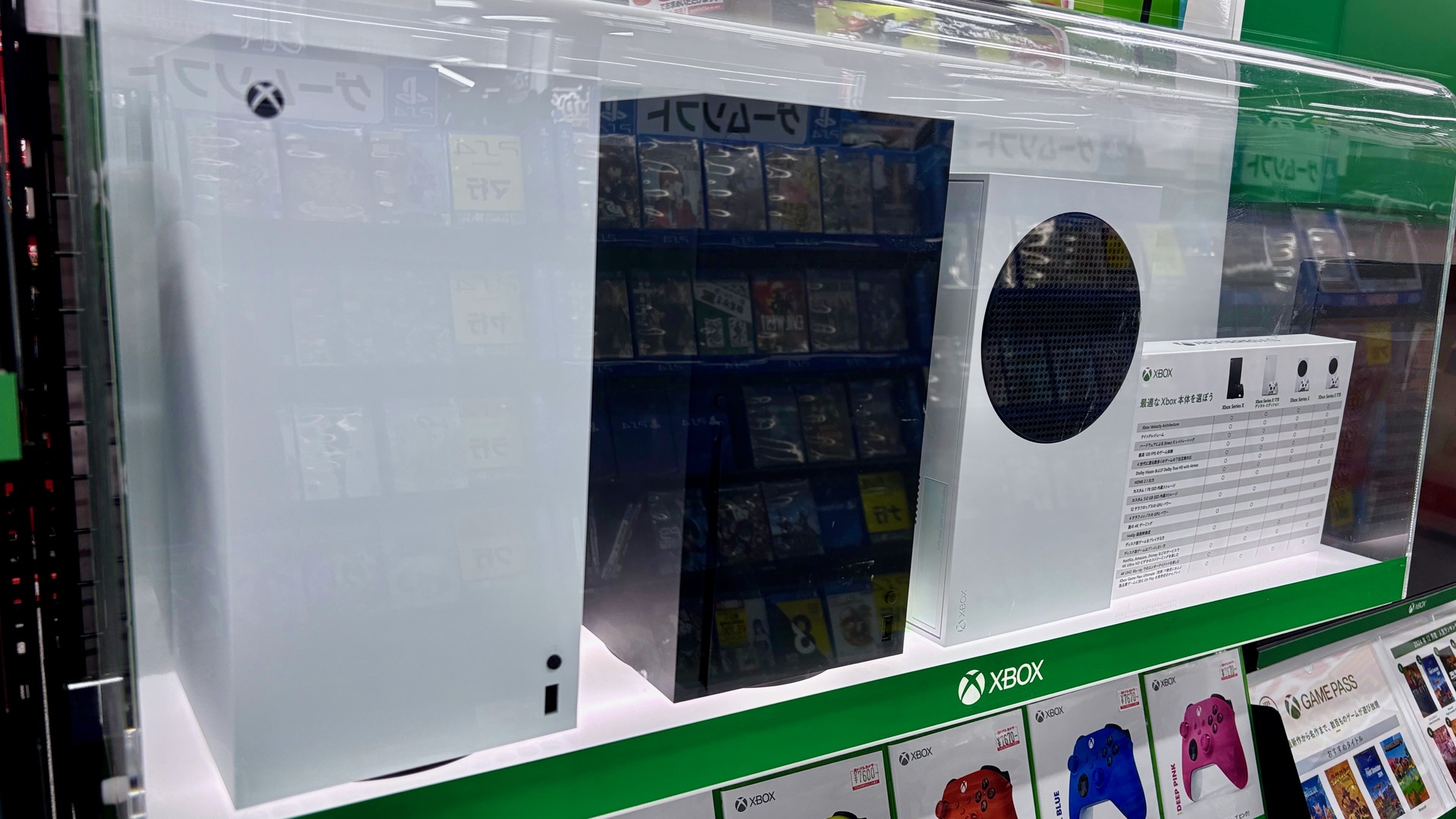
Hunting the smartest Xbox expansion card deal ahead of late-November installs just turned urgent for Series X and Series S owners everywhere. Massive open-world launches push single-title footprints past 210GB, leaving base 512GB hardware starved for breathing room. Meanwhile, pre-Black Friday retailer cuts knocked steep dollars off licensed WD_BLACK C50 and Seagate CFexpress modules. Specifically, comparing cost per terabyte clarifies which tier wins over clumsy external hard-drive workarounds.
Unlike slow USB backup drives, any certified Xbox expansion card mirrors internal Xbox Velocity Architecture bandwidth across direct rear PCIe lanes. Consequently, Quick Resume state switching and native high-bitrate streaming operate flawlessly without transferring games between partitions. Players gearing up for next week can read our GTA 6 pre-loading and 212GB install guide to plan capacity early. Here is how November 2026 retail pricing compares between Western Digital and Seagate models.

Comparing WD_BLACK C50 vs Seagate Xbox expansion card November pricing confirms WD_BLACK C50 1TB (~$100 sale) and 2TB (~$210 sale) lead cost-per-GB value.
- Best Entry Deal: WD_BLACK C50 1TB dips around $99.99 on early markdowns ($129.99-$149.99 typical street range).
- Best Value Sweet Spot: WD_BLACK C50 2TB undercuts Seagate’s 2TB card by roughly $40 to $60 near $210-$212.
- Max Library Pick: Seagate remains the flagship 4TB plug-in option for massive collections ($549-$659 range).
- USB Hard Drive Rule: Generic USB 3.2 drives play legacy backward-compatible titles, NOT Optimized native current-gen releases.
Comparing Nov 2026 Xbox expansion card Deals: WD_BLACK vs Seagate
For years, Seagate held total retail monopoly over proprietary Xbox storage expansion slots across global electronics aisles. However, Western Digital’s licensed WD_BLACK C50 lineup triggered long-overdue street competition right before holiday sales. Across early-November circulars at Amazon, Best Buy, and Walmart, WD_BLACK C50 modules regularly beat matching Seagate units on price. Notably, real-world loading times across both officially licensed cards run practically identically inside console tests.
| Card Model & Capacity | Standard MSRP Band | Nov 2026 Target Deal Price | Rough Value per 1TB |
|---|---|---|---|
| WD_BLACK C50 1TB | $129.99 – $149.99 | $99.99 – $119.00 | ~$100 – $119 / TB |
| Seagate Expansion Card 1TB | $185.00 – $229.99 | $139.99 – $159.00 | ~$140 – $159 / TB |
| WD_BLACK C50 2TB | $220.00 – $249.99 | $210.00 – $212.00 | ~$105 / TB (Sweet Spot) |
| Seagate Expansion Card 2TB | $349.99 MSRP | $250.00 – $274.00 | ~$125 – $137 / TB |
| Seagate Expansion Card 4TB | $549.99 – $659.99 | $489.00 – $549.00 | ~$122 – $137 / TB |
Measured strictly by dollars per gigabyte, WD_BLACK C50 2TB hits the clearest value sweet spot for active subscribers. Wait until promotions drop it near $210, because jumping from 1TB to 2TB comfortably delays delete-and-reinstall fatigue across 2027. Meanwhile, players rotating dozens of titles can check our Xbox Game Pass mid-November 2026 additions to estimate upcoming storage strain. In contrast, Seagate’s 4TB tier caters cleanly to collectors unwilling to delete huge RPGs, provided you catch holiday coupons.
Importantly, budget Series S Digital owners face tighter actual space constraints than sticker labels imply. After system partitions and OS reserves consume nearly 148GB, an entry 512GB machine holds barely 364GB of usable game space. Installing one 212GB crime sandbox alongside Call of Duty wipes out free storage completely without dedicated expansion modules.
Why Official Xbox expansion card Hardware Beats Cheap Adapters
Marketplace listings frequently lure frugal shoppers with $25 empty CFexpress-to-M.2 adapter cases promising cheap console expansion. Unfortunately, console firmware enforces strict PCIe Gen4 x2 queue timings alongside hardware authentication handshakes during boot. As a result, only select discontinued CH SN530 drives worked previously, and newer OS revisions lock out unverified aftermarket SSDs outright. Above all, enclosed adapters lack tested thermal dissipation pads inside snug rear slots.

Conversely, verified retail cards offer instant plug-and-play portability between living rooms and dorm setups without setup prompts. Simply pull the tiny drive out of a bedroom Series S and launch pre-installed campaigns instantly on a living-room Series X. Furthermore, heavy next-gen builds examined in our console ray tracing performance breakdown depend directly on native hardware decompression paths. Gambling thirty dollars on unsupported adapters rarely justifies risking corrupt installs before launch weekends.
Zero-Stress Trick: Pair a 1TB Card With USB Cold Archiving
You never need a $550 4TB module just to keep twenty massive single-player campaigns close at hand. Instead, attach an inexpensive $60 2TB USB 3.2 external SSD to any open rear USB port as cold storage. Whenever moving onto fresh multiplayer seasons, copy inactive games onto the cheap USB SSD instead of deleting installs completely. Transferring 120GB back from USB SSD onto internal NVMe takes roughly six minutes, vastly faster than re-downloading over metered broadband.
Setup inside Xbox settings takes less than sixty seconds once your USB SSD finishes quick NTFS formatting. Simply set internal storage or your rear slot as default install location for Optimized titles, keeping the USB disk designated strictly for transfers. Older Xbox 360 and Xbox One backward-compatible libraries run flawlessly straight off USB without bothering premium internal blocks. Crucially, storing static archive builds locally also safeguards your home data caps against massive seasonal title re-patches down the road.
Always verify cable speed specs when purchasing cheap third-party USB enclosures on marketplaces before checkout. Selecting genuine USB 3.2 Gen 2 NVMe enclosures ensures brisk 900MB/s game-swap speeds rather than sluggish 120MB/s mechanical spinning platter bottlenecks.
- Keep Daily Shooters Internal: Store active seasonal shooters directly on internal NVMe or licensed rear slots.
- Archive Finished Campaigns: Move completed 150GB RPGs onto affordable USB SSDs so saves and textures stay local.
- Launch Back-Compat Direct: Original Xbox, Xbox 360, and Xbox One classics boot cleanly right off external USB drives.
- Use Clean Shutdowns: Wait for activity LEDs to pause blinking before swapping rear cards between consoles.
Final Buying Call on an Xbox expansion card Before Black Friday
Skip tiny 512GB Xbox expansion card listings unless liquidation markdowns dip well below $60, because two major 2026 releases fill it immediately. Specifically, target WD_BLACK C50 1TB under $105 for budget Series S setups needing immediate breathing room. Meanwhile, dedicated Series X owners juggling Call of Duty, Forza, and sprawling open worlds gain maximum longevity from WD_BLACK C50 2TB near $210. Verify sold-and-shipped status by Best Buy, Amazon, or Walmart directly so official three-year warranties apply smoothly.
Frequently Asked Questions
What is the cheapest official Xbox expansion card in November 2026?
The 1TB WD_BLACK C50 leads budget options, dipping around $99.99 to $119 during November retail markdowns.
Are WD_BLACK C50 cards slower than Seagate Xbox Expansion Cards?
No. Both licensed products match Xbox Velocity Architecture throughput identically across loading tests and Quick Resume switching.
Can a normal external USB SSD play Xbox Series X optimized games?
No. Standard USB drives can store Series X|S optimized builds as cold archives, yet require quick copying back onto internal drives or official expansion cards to play.
Should buyers pick 2TB C50 or pay extra for 4TB Seagate?
Most gamers gain far better value from pairing a $210 2TB C50 card with a budget external USB SSD rather than spending ~$550 on 4TB.
Related posts:
 Xbox Game Pass October 2026 Wave 1 Lineup: Day-One Drops & Leaving Soon Titles
 360Hz QD-OLED vs 540Hz Fast TN Monitors: Motion Clarity, GtG Latency & Apex/Valorant Visual Tracking Benchmark
 GTA Online Halloween 2026 Event Finale: How to Claim Free Grotti Turismo Omaggio, Triple Money Survival Modes & Vintage Skull Mask Rewards
 Best Xbox Series X & S Holiday Deals 2026: Console Bundles, 90% Digital Game Discounts, Controller Price Cuts & Game Pass Ultimate Value Index
