
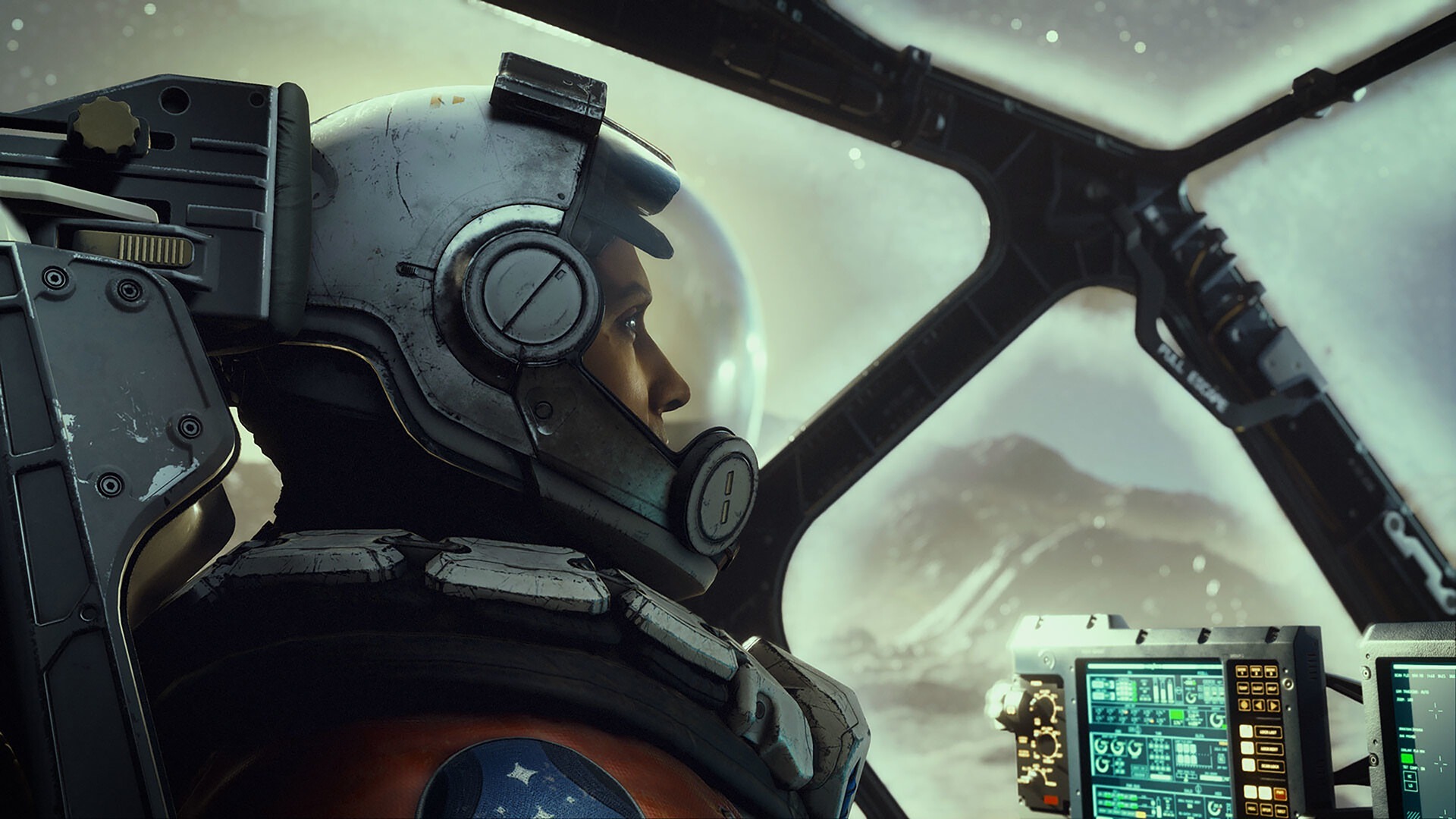
Console image reconstruction took an exciting leap forward after Microsoft’s GDK brought AMD FSR 4.1 support to Xbox Series X and Series S studios. Originally built around FP8 matrix units inside desktop RDNA 4 graphics cards, the updated neural model executes across INT8 shader paths. Meanwhile, handheld Windows PCs powered by Ryzen Z1 Extreme APUs recently validated matching INT8 workloads cleanly. Consequently, existing RDNA 2 console hardware unlocks crisper neural upscaling without waiting for next-gen silicon.
Delivering machine-learned scaling onto 2020 console silicon targets a nagging visual weakness inside crowded 60 FPS modes. Older analytical FSR 2 and FSR 3 passes frequently shimmered violently across thin grass blades, chain fences, and panning horizons. Comparing Xbox neural gains against Sony’s bespoke solution is vital, as explored in our GTA 6 PS5 Pro PSSR vs Xbox performance deep dive. Specifically, game studios pick between Full and Lite INT8 profiles tuned around tight console millisecond budgets.

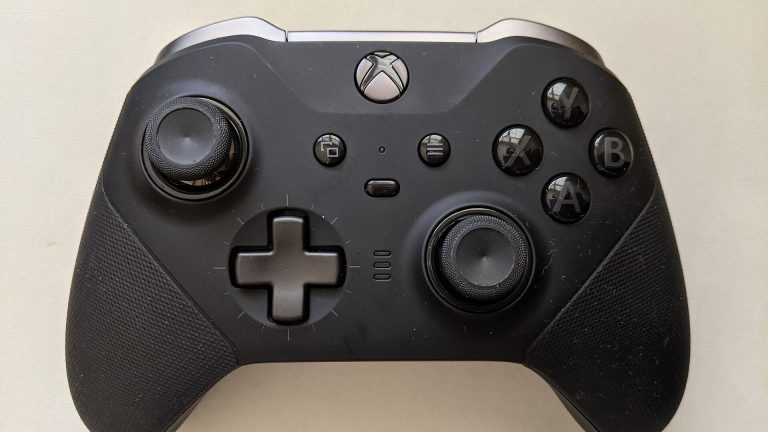
Microsoft’s latest GDK brings AMD FSR 4.1 to Xbox Series X|S by porting neural reconstruction from FP8 silicon onto INT8 shaders with Full and Lite tiers.
- INT8 Shader Port: Enables neural temporal detail on RDNA 2 Series X|S GPUs alongside RDNA 3 gaming handhelds.
- Full & Lite Developer Modes: GDK packages Full (higher precision) and Lite (leaner shader budget for 60 FPS modes).
- Cleaner Motion Reconstruction: Reduces distracting fizzle around particle sparks, distant hair, foliage, and wet reflections.
- Render Budget Trade-Off: Packed INT8 execution uses slightly more GPU ms than old spatial filters, adjusting base render targets accordingly.
How AMD FSR 4.1 Runs Neural Upscaling on Legacy RDNA 2 GPUs
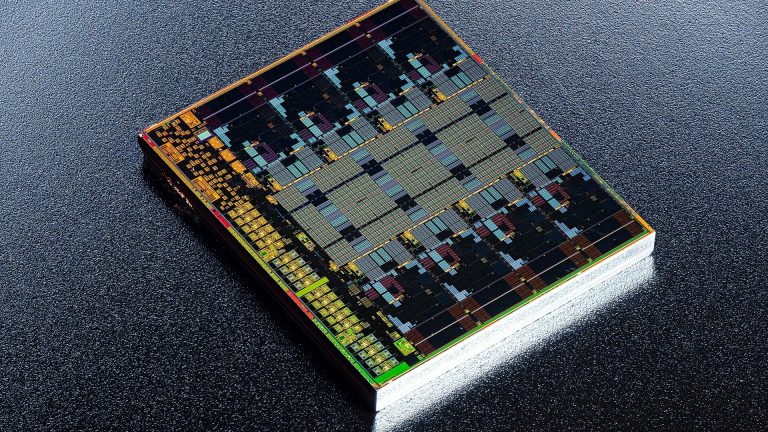
Desktop Radeon RX 9000 accelerators evaluate modern neural pipelines through dedicated FP8 hardware engines made for matrix inference. However, Xbox Series X (52 RDNA 2 Compute Units) and Series S (20 Compute Units) predate dedicated FP8 accelerators completely. Thankfully, AMD built rapid packed INT8 dot-product instructions cleanly into RDNA 2 compute shaders years ago. Therefore, engineers compressed network weights into compact INT8 quantization while preserving crisp temporal edge tracking.
Handheld tinkerers saw hints of this exact breakthrough months ago when leaked INT8 libraries revived smudged games on Z1 Extreme devices. Readers weighing portable performance can examine our Steam Deck OLED vs ROG Ally X handheld comparison for battery tradeoffs. Now, packaging verified INT8 shaders cleanly inside Microsoft’s official Xbox GDK removes unstable community overrides completely. As a result, developers gain plug-and-play certification workflows across every retail Xbox store build.
Equally impressive, memory bandwidth pressure stays restrained because quantized eight-bit weights occupy half the cache footprint of FP16 intermediates. That smaller cache footprint matters enormously on Series S hardware constrained around narrower 128-bit bus capacity.
Inside GDK Trade-Offs: AMD FSR 4.1 Full vs Lite
Evaluating machine-learning models directly on general compute shaders is never completely free in frame-time accounting. Whereas legacy FSR 2 typically consumes around 0.8ms to 1.1ms at 4K output on Series X, INT8 neural models occupy higher shader slices. To fit comfortable 33.3ms (30 FPS) and 16.6ms (60 FPS) render budgets, Microsoft provides two carefully scaled GDK profiles. Engine programmers match the chosen profile cleanly against lighting complexity and target refresh.

| Upscaler Profile | Hardware Path | Best Target Mode | Visual vs Frame-Time Balance |
|---|---|---|---|
| FSR 4.1 FP8 (Desktop RDNA 4) | Dedicated ML Matrix Units | 4K 120Hz High | Minimal frame-time hit; maximum fidelity |
| FSR 4.1 INT8 Full (Xbox GDK) | Packed RDNA 2 INT8 ALUs | 4K 30 FPS / Quality | Near-FP8 stability; steeper ms budget |
| FSR 4.1 INT8 Lite (Xbox GDK) | Lean INT8 Shader Path | 4K 60 FPS / Series S | Beats FSR 2/3 cleanly within 16.6ms |
| Legacy FSR 2.2 / 3.1 Spatial | Standard Compute Shaders | 2021-2025 Older Builds | Lowest cost; heavy foliage shimmer |
Why Lower Internal Resolutions Look Sharper With Neural Weights
Even when Lite mode trims base internal rendering slightly from 1080p toward 864p, net visual sharpness often improves sharply in motion. Traditional analytical filters amplified broken sub-pixel shimmer whenever base inputs dropped below crisp native HD counts. In contrast, neural weights separate authentic geometric contours from flickering alias jitter across consecutive camera frames. Consequently, Xbox Series S owners especially benefit by trading muddy smear for cleaner textures.
How Xbox Neural Scaling Stacks Up Against PSSR
Stacking Microsoft’s GDK upgrade beside Sony’s PSSR highlights distinct engineering priorities across console manufacturers. Sony stamped dedicated upscaling blocks onto expensive $699 PS5 Pro silicon to protect high compute headroom effortlessly. As shown inside our PS5 Pro Enhanced vs PC benchmark test, that hardware speed shines during dense ray bounces. Meanwhile, Microsoft unlocked major visual leaps across millions of already-sold living-room consoles strictly through shader optimization.
Just as critically, neural upscalers ease painful developer optimization compromises whenever studios rush simultaneous launch ports across hardware families. Rather than carving back reflection resolution or shadow cascade distance just to rescue stable 60 FPS frame budgets, studios shrink base pixels safely. Consequently, living-room players enjoy richer volumetric lighting without watching gritty sub-pixel checkerboard noise dance along horizon rooftops. Better still, upcoming multiplatform shooters can now ship cleaner 120Hz toggle modes cleanly onto flagship displays everywhere.
Equally important, standardizing neural training pipelines benefits multiplatform teams tuning PC, handheld, and Xbox releases simultaneously. Hardware analyses in our AMD RDNA architecture outlook note tighter neural alignment ahead across future consoles. Above all, gamers play smoother 60 FPS modes without tolerating noisy shimmer artifacts.
What Studios Need Before Patching AMD FSR 4.1
Back-catalog hits will not upgrade automatically to AMD FSR 4.1 overnight via an Xbox OS dashboard update. Every studio must recompile GDK motion vectors, validate clean temporal buffers, and re-submit through platform certification. However, newer Unreal Engine 5 builds entering late 2026 and 2027 certification integrate identical hooks with modest effort. Expect action-adventure blockbusters and demanding 60 FPS Performance modes to showcase earliest gains clearly.
- Inspect Patch Notes Closely: Watch studios migrating away from noisy UE5 TSR onto dedicated GDK INT8 paths.
- Favor 60 FPS Performance Modes: Lite neural weights eliminate jagged shimmer where low internal resolutions struggled before.
- Pair Variable Refresh Monitors: 120Hz VRR televisions cushion minor compute dips effortlessly during crowded action scenes.
Frequently Asked Questions
Does AMD FSR 4.1 work on Xbox Series S as well as Series X?
Yes. Microsoft distributes AMD FSR 4.1 INT8 Full and Lite weights across both Xbox Series consoles, tailoring Lite nicely for Series S bandwidth.
Why couldn’t Xbox run standard desktop FSR 4?
Desktop RDNA 4 evaluates FP8 tensor hardware directly, whereas RDNA 2 console silicon adapts quantized models onto packed INT8 compute shaders.
Will older Xbox games automatically upgrade to FSR 4.1?
No. Individual studios must update each title with Microsoft’s latest GDK integration and accurate motion-vector exports.
Is INT8 FSR 4.1 cleaner than FSR 3 on gaming handhelds?
Yes. Across Z1 Extreme handhelds and consoles alike, INT8 weights noticeably suppress particle shimmer and foliage fizz compared with spatial FSR 2/3.
Related posts:
 Xbox Secures Exclusive GTA 6 Streaming Rights: Microsoft Cloud Deal, PC Launch Workaround & Hourly Limits
 Fortnite v43.00 ‘Treasure Hunters’ Secret Vault Locations, Mythic Ace & Robin Abilities & Fast Leveling Roadmap
 God of War: Laufey Delayed to May 2027: Santa Monica Studio Cites Polish, Faye Combat Breakdown & Kratos Lore
 Xbox Game Pass Mid-November 2026 Lineup: Where Winds Meet, Warhammer Survivors & Derelikt First Impressions
