
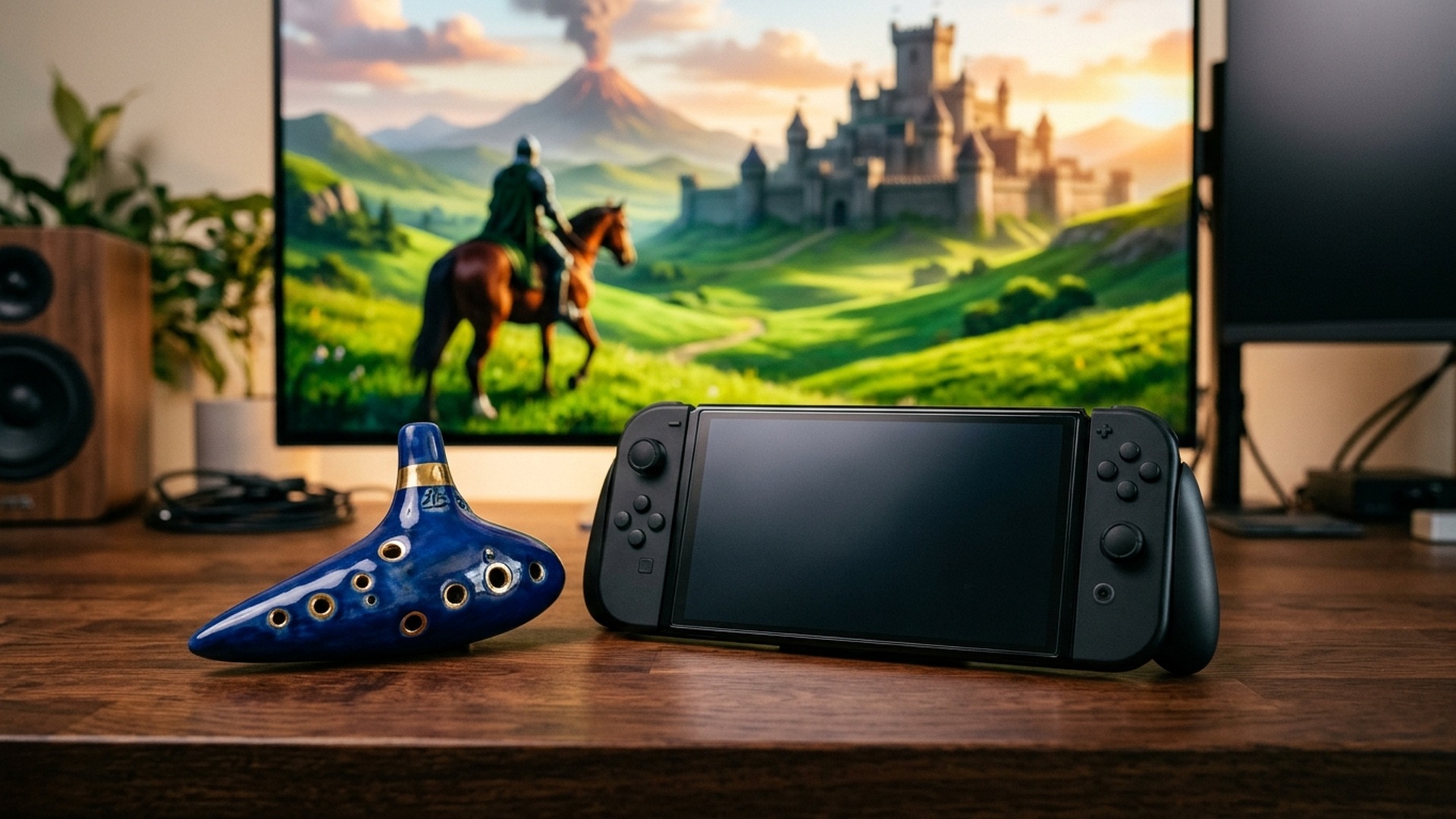
As December approaches, the global gaming industry prepares for its annual marquee celebration: Geoff Keighley’s The Game Awards 2026. Broadcast live from the Peacock Theater in Downtown Los Angeles, the 2026 edition stands apart from any preceding ceremony in the event’s twelve-year history. Following an extraordinary twelve months that saw generational hardware milestones, commercial records annihilated, and monumental critical masterpieces released across every major platform, the race for Game of the Year (GOTY) has erupted into an unprecedented philosophical clash between open-world realism, nostalgic technical perfection, and persistent virtual worlds.
Leading the nomination ballot is Rockstar Games’ commercial monolith Grand Theft Auto VI, which launched to universal acclaim with a 99 Metacritic average and shattered global box-office and entertainment records by amassing over $3.79 billion on its opening day. Yet, the consensus around an inevitable Rockstar coronation faces formidable opposition from Nintendo’s breathtaking reimagining of The Legend of Zelda: Ocarina of Time on Switch 2 and Blizzard’s persistent Unreal Engine 5 triumph World of Warcraft: Forever. In this comprehensive editorial breakdown, we analyze the strengths, weaknesses, and voting dynamics of each premier contender.

The Titans Clash: Examining the 2026 GOTY Shortlist
The voting jury—comprising over 130 global media outlets and creator networks—faces an agonizing choice across five fundamentally distinct interactive experiences:
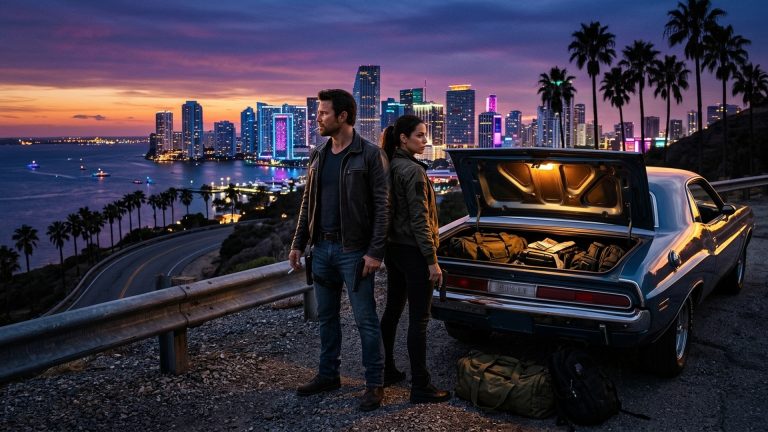
- Grand Theft Auto VI (Rockstar Games): The definitive technical and cultural benchmark of the ninth console generation. By combining an astonishingly dense recreation of modern Leonida with the dual-protagonist synergy of Jason and Lucia, Rockstar delivered an uncannily authentic simulation of contemporary American life. Powered by the RAGE 9 engine, its dynamic weather systems, volumetric cloud simulation, and photorealistic ray-traced lighting set a visual bar that no rival studio can currently match.
- The Legend of Zelda: Ocarina of Time Remake (Nintendo): Far from a simple cosmetic upscale, Nintendo’s Switch 2 flagship rebuilt the 1998 masterpiece from the bedrock up. Featuring an entirely orchestrated dynamic score by the Tokyo Philharmonic, fully integrated physics-driven puzzle mechanics, and an expansive Hyrule that bridges modern open-air freedom with classic sprawling dungeon architecture, it captured a 98 Metacritic rating and reminded the industry of Nintendo’s unmatched design purity.
- World of Warcraft: Forever (Blizzard Entertainment): A monumental technical gamble that paid off spectacularly. By porting twenty years of persistent MMORPG history into Unreal Engine 5, eliminating loading screens across Eastern Kingdoms and Kalimdor, and overhauling combat with kinetic action-targeting, Blizzard revitalized the MMO genre, drawing over 12 million active concurrent subscribers back to Azeroth.
- Metroid Prime 4: Beyond (Retro Studios): Retro Studios’ long-awaited sci-fi epic delivered a tour de force in atmospheric world design, utilizing Switch 2’s customized NVIDIA hardware to output locked 4K/60 FPS visuals with seamless interdimensional portal traversal and pulse-pounding boss battles.
- Clair Obscur: Expedition 33 (Sandfall Interactive): The indie/AA dark horse of 2026. This French studio captivated global audiences with its painterly Belle Époque art direction, poetic narrative examining human mortality, and an innovative reactive turn-based combat system that injected real-time parrying and dodges into classical JRPG structures.
| Nominated Game | Developer / Publisher | Metacritic Score | Core Voting Strength | Potential Juror Vulnerability |
|---|---|---|---|---|
| Grand Theft Auto VI | Rockstar Games | 99 / 100 | Unmatched technical scale, living world AI, cultural impact | Massive commercial success can breed voter fatigue |
| Zelda: Ocarina of Time Remake | Nintendo EPD / Grezzo | 98 / 100 | Emotional nostalgia, flawless dungeon craft, 4K Switch 2 showcase | Remake stigma among purist innovation advocates |
| World of Warcraft: Forever | Blizzard Entertainment | 95 / 100 | Unprecedented technical migration, MMO genre revival | Steep time investment required for casual jury members |
| Metroid Prime 4: Beyond | Retro Studios / Nintendo | 94 / 100 | Atmospheric tension, seamless 60 FPS performance | Narrower genre appeal compared to open-world competitors |
| Clair Obscur: Expedition 33 | Sandfall Interactive | 92 / 100 | Artistic originality, innovative reactive combat | Smaller production budget and late-year release window |
Industry Voting Psychology: Realism vs Pure Gameplay
To predict the eventual GOTY winner, one must examine the voting psychology of The Game Awards jury. Historically, when two commercial and critical juggernauts collide, the jury often splits along artistic fault lines. A prime precedent occurred in 2018, when Rockstar’s hyper-realistic Red Dead Redemption 2 lost the ultimate GOTY crown to Sony Santa Monica’s tightly focused God of War, despite the former holding higher Metacritic marks and historic sales numbers, as documented in our look back at Red Dead Redemption’s franchise legacy.
Some jury members may argue that GTA 6’s staggering success is a foregone conclusion, prompting them to cast their ballots for Ocarina of Time Remake or Expedition 33 to champion artistic craft over budget supremacy. Conversely, other international jurors contend that penalizing Grand Theft Auto VI for its massive resources would ignore its sheer triumph of engineering: creating a virtual city where every building, pedestrian, vehicle, and weather cycle interacts systemically without pre-scripted illusion.
Category Sweep Predictions: Direction, Narrative & Audio
Beyond the supreme GOTY trophy, Grand Theft Auto VI is widely projected to dominate the technical categories. In Best Audio Design, Rockstar’s implementation of dynamic acoustic occlusion—where sound waves bounce realistically off concrete skyscrapers, reverberate through tiled highway tunnels, and dampen inside air-conditioned luxury sedans—stands virtually uncontested. Similarly, in Best Narrative, the emotional tension between Lucia and Jason across Chapters 4 and 5 provides an intimate, character-driven counterweight to the bombastic criminal escapades.
However, Nintendo is expected to mount fierce resistance in Best Game Direction and Best Score and Music, where the Tokyo Philharmonic’s orchestral renditions of classic Koji Kondo themes like Gerudo Valley and the Song of Storms have dominated streaming charts worldwide. Whichever title Geoff Keighley calls to the stage on December 10, The Game Awards 2026 will serve as an unforgettable celebration of an industry operating at the peak of its creative powers.
The Technical Achievement Benchmark: RAGE 9 vs Unreal Engine 5
Beneath the artistic debates surrounding The Game Awards 2026 lies a fierce technological showdown between proprietary studio engineering and commercial engine maturity. Rockstar Games’ RAGE 9 engine stands as an unprecedented feat of technical wizardry. Grand Theft Auto VI’s dynamic water simulation—featuring real-time oceanic wave displacement, accurate boat wake hydrodynamics, and dynamic storm surges that flood coastal Ocean Drive streets during tropical storms—operates without canned animations, responding dynamically to wind velocity and barometric pressure.
Conversely, titles like World of Warcraft: Forever and Clair Obscur: Expedition 33 demonstrate the staggering visual potential of Epic Games’ Unreal Engine 5.6. By harnessing virtualized micropolygon geometry (Nanite) and hardware-accelerated global illumination (Lumen), Blizzard seamlessly transitioned twenty years of sprawling low-polygon Azeroth landscapes into photorealistic medieval vistas featuring dynamic time-of-day lighting, soft ray-traced shadows, and volumetric foliage. For Game Awards jurors, balancing the raw systemic simulation power of GTA 6 against the aesthetic refinement and genre-defining preservation of its Unreal Engine peers represents the defining critical conundrum of the 2026 awards season.
Industry analysts also point to the growing influence of community sentiment across social channels and content platforms. While the formal international jury accounts for 90% of the voting weight, the sheer cultural ubiquity of Grand Theft Auto VI creates an aura of inevitability. Nevertheless, Geoff Keighley’s stage has historically delivered shocking upsets when critical sentiment rallies around artistic purism, guaranteeing that the December ceremony will be one of the most talked-about broadcasts in modern gaming history.
Frequently Asked Questions
When and where will The Game Awards 2026 take place?
The Game Awards 2026 will be broadcast live globally on Thursday, December 10, 2026, from the Peacock Theater in Downtown Los Angeles across YouTube, Twitch, X, and major streaming platforms.
How are winners decided at The Game Awards?
Winners are determined by a blended vote: 90% of the voting weight comes from a specialized international jury of over 130 media and critic outlets, while 10% is determined by global public fan voting conducted via the official website and Discord.
Has a video game remake ever won Game of the Year at The Game Awards?
No video game remake has ever won the top Game of the Year trophy at The Game Awards, though titles like Resident Evil 2, Final Fantasy VII Remake, and Resident Evil 4 Remake previously secured nominations.
Can Grand Theft Auto VI break the record for most awards in a single night?
Yes, with nominations across 10 categories including GOTY, Best Game Direction, Best Narrative, Best Art Direction, Best Score, and Best Audio Design, GTA 6 is in position to challenge the all-time record of 7 wins set by The Last of Us Part II in 2020.
Related posts:
 Golden Joystick Awards 2026 Winners: Resident Evil Requiem Sweeps Ultimate Game of the Year & 4 Trophies
 The Legend of Zelda: Ocarina of Time Switch 2 Remake: Day-One Sales Records, 4K Docked Fidelity & Audio Overhaul In-Depth Review
 Sonic Pico Park, Hands Over & Derelikt Lead Nov 12–13 Steam Co-Op Wave While PC Gamers Wait for GTA 6
 NVIDIA GeForce RTX 5080 & 5090 Blackwell Specs Leak: 32GB GDDR7, 600W TDP & Full Path Tracing Benchmarks
