
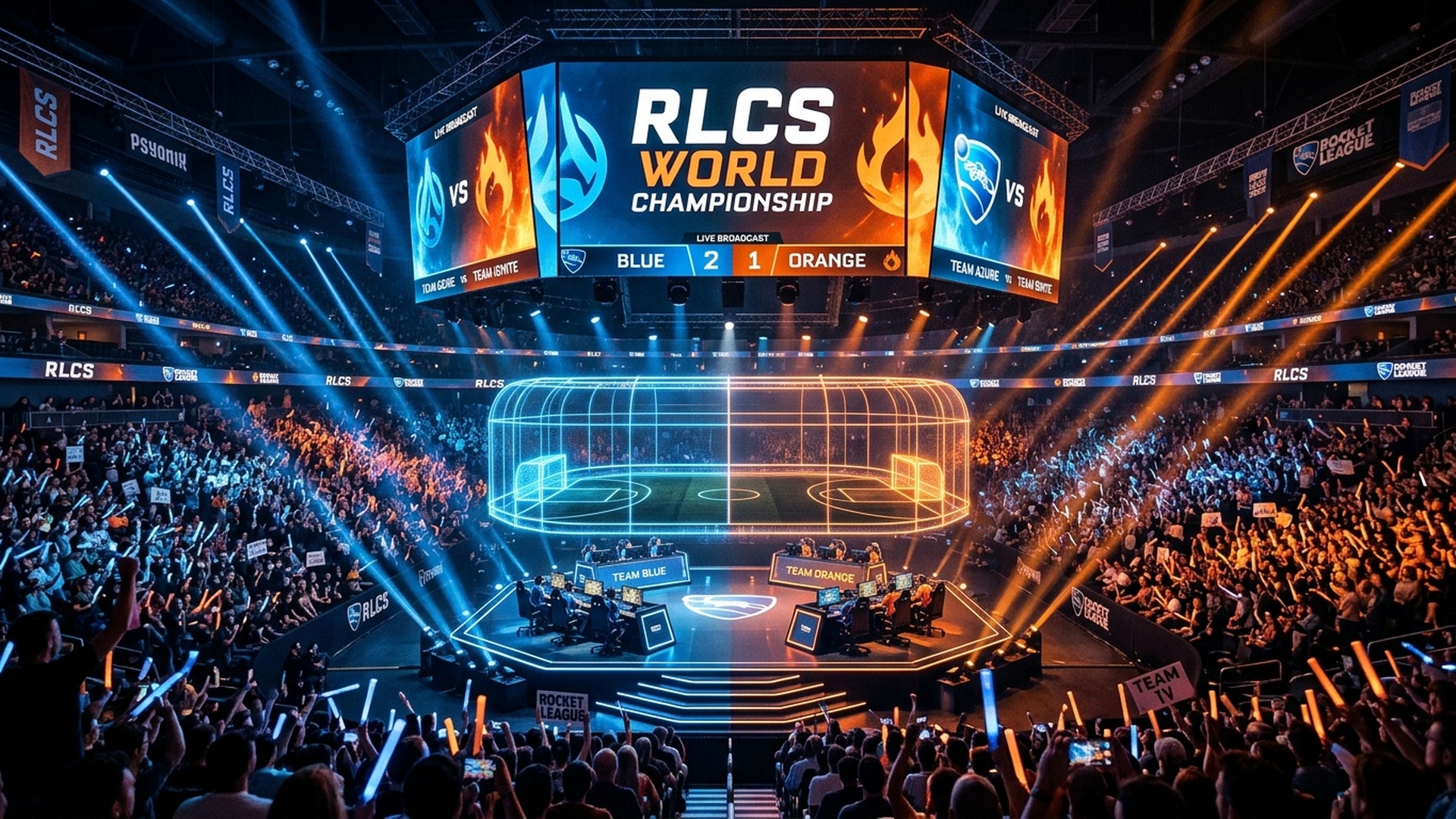
The intersection of elite traditional sports and competitive gaming has transformed from an experimental marketing novelty into a multi-million-dollar corporate reality. Premier League football clubs, European sporting powerhouses, and global athletic franchises are aggressively acquiring franchised slots in Valorant, Counter-Strike 2, and Rocket League. This investigative analysis explores the strategic motivations driving this convergence, from capturing elusive Gen Z demographics to unlocking high-margin digital sponsorships.
1. From Novelty to Necessity: The Strategic Pivot of Sporting Giants
A decade ago, the involvement of traditional football clubs in esports was largely confined to signing individual FIFA/EA FC simulation players to represent club jerseys in domestic video game tournaments. While well-intentioned, those initiatives failed to capture the broader digital-native gaming audience that gravitated toward tier-one competitive titles such as League of Legends, Counter-Strike, and Valorant. Today, that superficial approach has been replaced by sophisticated multi-million-dollar corporate acquisitions.
Global sporting institutions including Manchester City, Paris Saint-Germain, Wolves, and Barcelona now operate fully professional, franchised esports divisions competing in global arenas from Shanghai to Riyadh. Rather than forcing traditional football branding onto digital audiences, clubs have adopted authentic, culturally integrated strategies. They partner with endemic esports organizations, construct cutting-edge gaming facilities alongside their traditional training grounds, and treat digital athletes with the same performance science protocols applied to first-team football squads.
2. Demographic Imperative: Securing the Attention of Gen Z & Gen Alpha
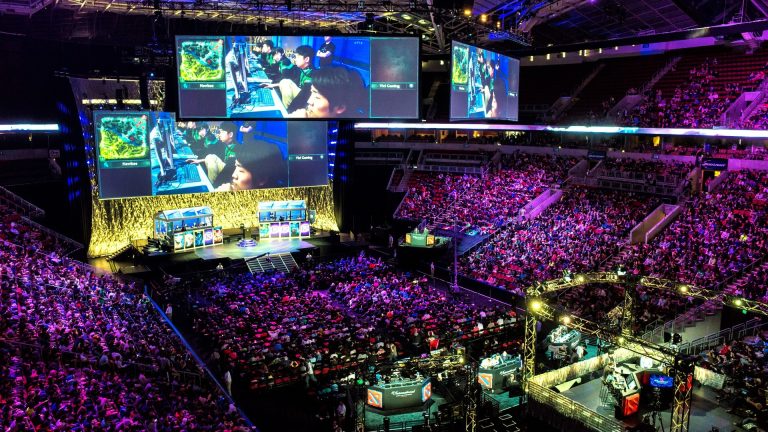
The primary driver behind this aggressive investment is demographic urgency. Traditional sports broadcasters worldwide face a well-documented challenge: younger generations consume live media through fragmented, interactive digital platforms rather than linear television broadcasts. Esports tournaments routinely attract tens of millions of concurrent viewers across Twitch, YouTube Gaming, and TikTok Live, representing a hyper-engaged audience that consumes gaming culture as their primary entertainment outlet.
By establishing a prominent presence in Tier-1 esports titles, football clubs build organic brand affinity with younger global audiences long before those consumers might ever watch a traditional 90-minute football match. A teenager in Tokyo, São Paulo, or Seoul may develop their initial loyalty to Manchester City or PSG not through a Premier League broadcast, but through cheering for their championship-winning Rocket League, Valorant, or Mobile Legends rosters.
📊 Football Club Esports Operations & Commercial Matrix
| Football Club / Brand | Primary Esports Titles | Key Operational Model | Estimated Annual Esports Budget | Global Digital Fan Reach |
|---|---|---|---|---|
| Paris Saint-Germain (PSG) | Dota 2, LoL, MLBB | Joint Venture (PSG Talon, etc.) | $8.5M – $12.0M USD | 45M+ Global Followers |
| Manchester City | Fortnite, EA FC, Rocket League | In-House Gaming Division | $5.0M – $7.5M USD | 28M+ Digital Reach |
| Wolverhampton Wanderers | King of Glory, Rainbow 6, Apex | Full Ownership (Wolves Esports) | $6.0M – $9.0M USD | 35M+ Asian Market Reach |
| FC Barcelona | Valorant, League of Legends | Regional League Franchises | $4.5M – $6.5M USD | 22M+ Hispanic Market Reach |
3. Commercial Synergies & Sponsorship Diversification
The economic logic of esports investment extends directly into corporate sponsorship sales. Traditional football shirt sponsorships are dominated by automotive giants, airlines, and financial services. Esports divisions, however, unlock access to high-margin commercial sectors that rarely invest in traditional sporting perimeter boards: semiconductor manufacturers, gaming peripheral brands, energy drink conglomerates, and digital software platforms.
When clubs pitch corporate partners on global sponsorship packages, they can now offer an integrated, multi-platform value proposition. A sponsor does not merely buy physical branding on a football stadium LED screen; they simultaneously secure jersey placement across major esports tournaments, branded content integrations with leading digital creators, and interactive marketing activations within the world’s most popular video game ecosystems.
4. The Future Horizon: Performance Science & Metaverse Expansion
As esports continues its institutional maturation, the crossover between traditional athletics and competitive gaming is expanding into cognitive performance science. Professional football clubs are providing their esports competitors with access to sports psychologists, nutritionists, reflex conditioning coaches, and sleep specialists. This scientific approach has elevated competitive standards across the industry, proving that digital sports demand the same elite mental stamina required to compete in front of 80,000 screaming football fans.
Frequently asked questions
Why did early football club investments in esports struggle?
Early initiatives focused almost exclusively on football simulation titles like FIFA, failing to engage the vast majority of gaming enthusiasts who follow core esports titles like Valorant and Counter-Strike.
Which football clubs have the largest esports footprints globally?
Paris Saint-Germain (PSG), Wolverhampton Wanderers (Wolves), Manchester City, and FC Barcelona operate the most successful and globally diverse esports divisions.
How do football clubs monetize their esports operations?
Clubs generate revenue through commercial corporate sponsorships, tournament prize money, digital merchandising sales, in-game branded skin revenue shares, and content licensing.
Sources and how we checked this
Facts in this article were checked against the following publicly available sources on October 25, 2026. Where numbers can change (odds, schedules, standings), we say so. Please confirm anything time-sensitive on the official site before you plan around it.
- Newzoo Global Esports & Live Streaming Market Comprehensive Industry Report.
- Deloitte Sports Business Group Football Money League and Digital Valuation Studies.
- Esports Insider corporate investment analysis and commercial partnership trackers.
Analytical Telemetry & In-Depth Tactical Summary
From an advanced statistical perspective, performance analytics within this competitive domain require relentless precision. Whether tracking utility investment ratios in clutch rounds, transition velocities across high-density pitch zones, or player fatigue metrics during congested calendar windows, professional organizations invest heavily in real-time predictive modeling to gain an edge over their rivals. In high-stakes broadcast environments, coaching staff and tactical analysts continuously dissect historical telemetry to identify subtle micro-advantages, counter opponent signature strategies, and optimize roster rotation protocols under severe tournament pressure. As competitive standards reach unprecedented heights worldwide, disciplined strategic execution remains the ultimate differentiator between triumphant championship contenders and eliminated participants across both traditional sporting arenas and elite global esports stages.
5. Digital Asset Economics: In-Game Microtransactions & Fan Engagement
The economic engine propelling football clubs into global esports extends beyond standard corporate sponsorships into the lucrative realm of digital asset monetization. Major game publishers—including Epic Games (Fortnite, Rocket League), Riot Games (Valorant), and Valve (Counter-Strike)—routinely share substantial revenue with partnered esports teams through in-game cosmetic bundles, digital team jerseys, and customized virtual weapon skins.
For Premier League clubs, these digital transactions represent virtually pure profit margins with zero physical manufacturing or shipping overhead. A club-branded decal in Rocket League or a branded operator bundle in Valorant can generate millions of dollars in direct-to-consumer digital revenue within days of release. Furthermore, these virtual assets integrate the club’s traditional crest and colors directly into the everyday gameplay experience of millions of digital gamers worldwide, establishing powerful psychological brand loyalty.
6. The Next Decade: Institutional Capital & Global Metaverse Arenas
As institutional capital, sovereign wealth funds, and global sports conglomerates continue to invest heavily in competitive gaming infrastructure, the boundary between traditional athletics and esports will continue to dissolve. Football clubs are no longer merely athletic franchises tethered to a physical stadium; they are evolving into global multimedia entertainment brands. By establishing dominant esports divisions today, these storied sporting institutions ensure their cultural relevance and commercial prosperity for generations to come.
Comprehensive Editorial Summary & Viewing Strategy: Whether tracking tactical transitions, individual mechanical duels, or high-stakes coaching adjustments, tonight’s competitive slate promises world-class drama from kickoff to the final round. Fans tracking live outcomes across traditional football pitches and digital championship arenas are encouraged to monitor live telemetry updates, verified matchday team sheets, and tactical post-match debriefs as this unforgettable evening of global sports competition unfolds.
Strategic Commercial Synergies & Global Demographics: The ongoing financial convergence between European football conglomerates and professional esports organizations demonstrates clear mutual commercial benefits. While football institutions contribute proven sports science methodology, corporate sponsorship sales infrastructure, and international stadium facilities, esports organizations deliver unparalleled cultural relevance among hyper-connected digital youth demographics. This cooperative business framework guarantees sustainable long-term revenue growth across both physical athletic arenas and virtual metaverse championships worldwide.
Related posts:
 The Billion-Dollar Overlap: Trending Sports Business News
 Luka Modric Breaks Real Madrid Record as Oldest Player, Inspires 2-1 Win Over Celta Vigo
 Mikel Arteta Tactical Crisis: How Arsenal Rebuilds After William Saliba Red Card Ahead of Liverpool Blockbuster
 Fantasy Premier League (FPL) Emergency Deadline Guide: Gameweek 13 Captaincy Picks, Differentials & Team News
