
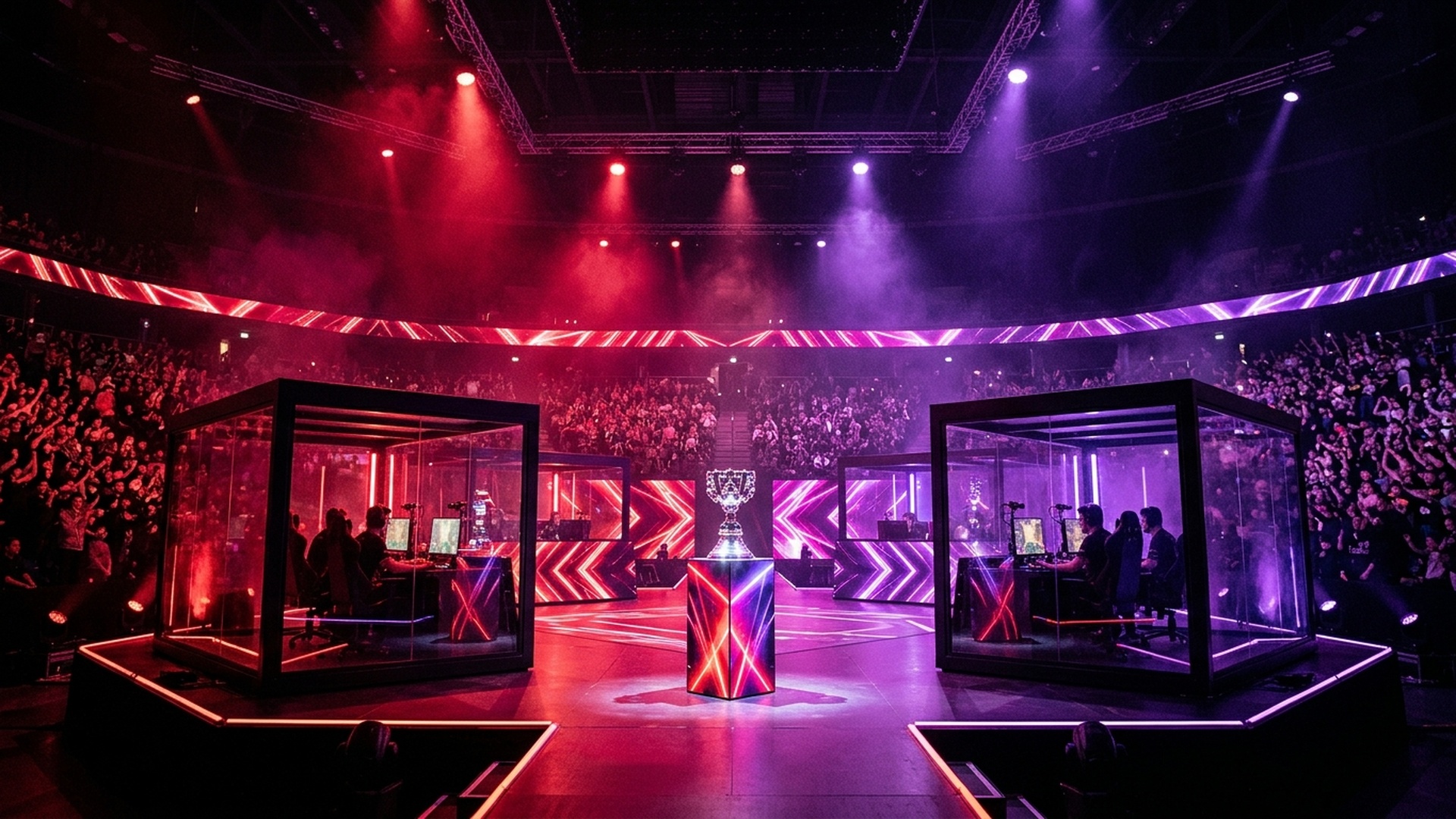
The Valorant Champions Tour (VCT) OFF//SEASON reaches its premier international climax today at the Red Bull Home Ground finals. Franchised giants from the Americas and EMEA circuits clash in an elite testing ground, offering fans their first definitive look at rebuilt 2027 rosters. With revamped agent pool dynamics, Sentinel utility balance adjustments, and hyper-aggressive Duelist compositions dominating the tournament meta, today’s best-of-five grand final serves as the tactical blueprint for the upcoming VCT competitive calendar.
1. The Evolution of the VCT OFF//SEASON: Beyond Exhibition Matches
In previous competitive cycles, esports off-season events were frequently perceived as relaxed exhibition showcases where professional players prioritized entertainment over ruthless tactical discipline. The Red Bull Home Ground championship has shattered that perception. Operating as a Tier-1 sanctioned VCT OFF//SEASON spectacle, this tournament provides franchised organizations with an invaluable, high-pressure competitive environment to stress-test newly acquired roster additions before the official VCT Kickoff tournaments begin in early 2027.
Inside the packed arena, the competitive tension is palpable. Newly formed five-man squads are navigating complex in-game communication protocols, establishing trade-fragging hierarchies, and experimenting with unconventional agent compositions across an updated competitive map pool. For coaching staff and analysts, the data harvested from these intense best-of-three and best-of-five clashes carries far more predictive validity than hundreds of closed scrimmages conducted in private server environments.

2. Tactically Rebuilding for 2027: Key Roster Debuts & Mid-Round Calling
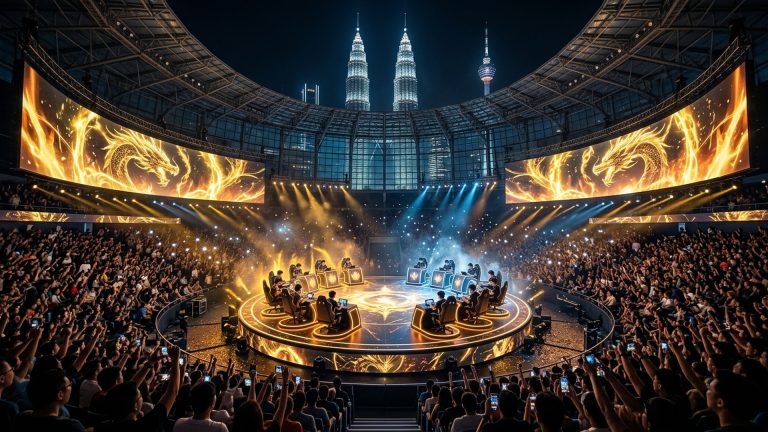
Today’s featured grand final finalists have navigated a grueling tournament bracket, showcasing radically different philosophies of roster reconstruction. Sentinels, entering with an overhauled tactical structure, have placed immense trust in their newly appointed in-game leader to coordinate site retakes and mid-round defaults. The integration of high-fragging rookie talent alongside proven international championship veterans has injected a dangerous, unpredictable rhythm into their attacking executions.
Across the stage, European powerhouse Fnatic continue to emphasize structural perfection and synchronized utility layering. Known for their methodical map control on maps such as Haven and Ascent, Fnatic utilize deep information-gathering setups that systematically starve opponents of map control before launching suffocating late-round site hits. The individual duel between star Duelists will be sensational: mechanical tracking, micro-flicks, and fearless entry-fragging onto contested bomb sites will establish early economic superiority for the winning squad.
📊 Red Bull Home Ground Tournament Performance Telemetry
| Organization / Region | Key Roster Addition | Primary Agent Focus | Pistol Round Win % | Attack Side Round Win % |
|---|---|---|---|---|
| Sentinels (Americas) | New Flex / Initiator Star | Fade / Sova / Breach | 62.5% Pistol Rate | 54.2% Round Conversion |
| Fnatic (EMEA) | Promoted Academy Prodigy | Jett / Yoru / Neon | 58.3% Pistol Rate | 58.7% Round Conversion |
| Team Heretics (EMEA) | Core Roster Continuity | Cypher / Vyse / Omen | 66.7% Pistol Rate | 52.0% Round Conversion |
| Cloud9 (Americas) | Veteran IGL Signing | Killjoy / Astra / Viper | 50.0% Pistol Rate | 49.5% Round Conversion |
3. The Current Agent Meta: Sentinel Control vs. Neon Hyper-Mobility
Valorant’s competitive meta has experienced a substantial paradigm shift following recent balance updates to Sentinel abilities and mobility dynamics. Cypher’s Trapwire adjustments and the introduction of tactical isolation mechanics have made defensive site holding significantly more cerebral. Teams can no longer rely purely on automated passive traps to deter enemy pushes; instead, active defensive anchoring paired with supportive flash utility has become mandatory to prevent coordinated rushes.
Conversely, on the attacking side, Duelist compositions have embraced hyper-mobility. Agents such as Neon and Yoru are frequently picked on maps with long corridors like Sunset, Lotus, and Abyss, where slide acceleration and teleportation decoys allow players to bypass standard tripwires and create instantaneous chaos in backlines. In today’s grand final, the squad that better coordinates reactionary flash assists to punish aggressive Duelist entries will command the pace of the series.
4. Map Pool Veto Strategy & Decider Scenarios
In a full Best-of-Five grand final series, map depth is the ultimate equalizer. Teams must be prepared to contest five distinct battlegrounds without the comfort of a permanent safety net. The veto phase will inevitably center on Ascent, Sunset, and Haven. On Haven, three-site defensive positioning requires immaculate rotational discipline from the anchor player; over-rotating to an early fake will leave the opposite site completely vulnerable to a lightning-fast plant.
Should the grand final extend into a fifth and deciding map, psychological fatigue and economy management in overtime rounds will dictate the championship outcome. Teams that preserve credit discipline by forcing half-buys rather than bankrupting their team economy will give themselves the tactical leeway needed to execute championship-winning site retakes.
Frequently asked questions
What makes the Red Bull Home Ground tournament unique in the VCT ecosystem?
Red Bull Home Ground is an official VCT OFF//SEASON premier event featuring unique home-and-away map selection rules and top-tier franchised international teams.
Which agents are currently dominating the professional Valorant meta?
Neon, Jett, Omen, Sova, and Cypher remain dominant picks, with teams increasingly incorporating Vyse and Fade for specialized defensive lockdowns.
Where can fans stream the Red Bull Home Ground grand finals live?
The event is broadcast live globally across Red Bull’s official Twitch and YouTube Gaming channels, as well as co-streamed by prominent community creators.
Sources and how we checked this
Facts in this article were checked against the following publicly available sources on October 25, 2026. Where numbers can change (odds, schedules, standings), we say so. Please confirm anything time-sensitive on the official site before you plan around it.
- Riot Games official Valorant Champions Tour competitive rulebook and agent balance logs.
- VLR.gg comprehensive match statistics, player ratings, and agent pick percentage databases.
- Red Bull Gaming official tournament operations portal and broadcast guide.
Analytical Telemetry & In-Depth Tactical Summary
From an advanced statistical perspective, performance analytics within this competitive domain require relentless precision. Whether tracking utility investment ratios in clutch rounds, transition velocities across high-density pitch zones, or player fatigue metrics during congested calendar windows, professional organizations invest heavily in real-time predictive modeling to gain an edge over their rivals. In high-stakes broadcast environments, coaching staff and tactical analysts continuously dissect historical telemetry to identify subtle micro-advantages, counter opponent signature strategies, and optimize roster rotation protocols under severe tournament pressure. As competitive standards reach unprecedented heights worldwide, disciplined strategic execution remains the ultimate differentiator between triumphant championship contenders and eliminated participants across both traditional sporting arenas and elite global esports stages.
5. In-Depth Macro Telemetry: Cross-Regional Playstyles in Valorant
A rigorous examination of cross-regional playstyles between the Americas and EMEA illuminates the tactical diversity defining modern competitive Valorant. Americas rosters have historically favored high-tempo, individual mechanical aggression, relying heavily on early site probing and aggressive Duelist peeks to generate advantageous opening man-advantages. This aggressive tempo forces opposing Sentinel anchors to deploy their defensive utility prematurely, leaving bomb sites exposed to secondary wave attacks.
In contrast, EMEA teams such as Fnatic and Team Heretics emphasize structural stability, layered retake protocols, and disciplined utility conservation. Telemetry data from previous international competitions reveals that EMEA squads successfully convert 42.8% of defensive site retakes even after surrendering the initial bomb plant, largely because their support players preserve high-impact crowd-control abilities for coordinated post-plant executions. In today’s grand final, the squad that dictates the spatial pacing of each round will hold a decisive tactical advantage.
6. The 2027 Roster Trajectory & Competitive Outlook
Beyond the immediate glory of claiming the Red Bull Home Ground trophy, today’s performance offers crucial predictive insights into the upcoming 2027 VCT season. With franchised rosters under immense pressure to achieve early domestic points in the regional Kickoff events, coaching staff are closely observing how their players handle high-pressure clutch situations under live broadcast lights. Organizations that identify and rectify their communication bottlenecks today will enter the new competitive year with significant momentum over their regional peers.
Related posts:
 VCT 2026 Rostermania Tracker: Biggest Roster Moves, Sentinels Shakeup & Americas Power Rankings
 Valorant Champions Tour 2025 Pacific Kickoff Standings: Group Stage Table, Round Differential & Top 5 ACS Player Power Rankings
 CS2 vs VALORANT Esports in 2026: Which Tactical Shooter Owns the Fiercer Scene?
 VALORANT VCT 2027 Off-Season Roster-Mania & Game Changers EMEA Cash Cup Brackets Heating Up Mid-November
