🎮 NEXT-GEN HANDHELD HARDWARE BRIEFING
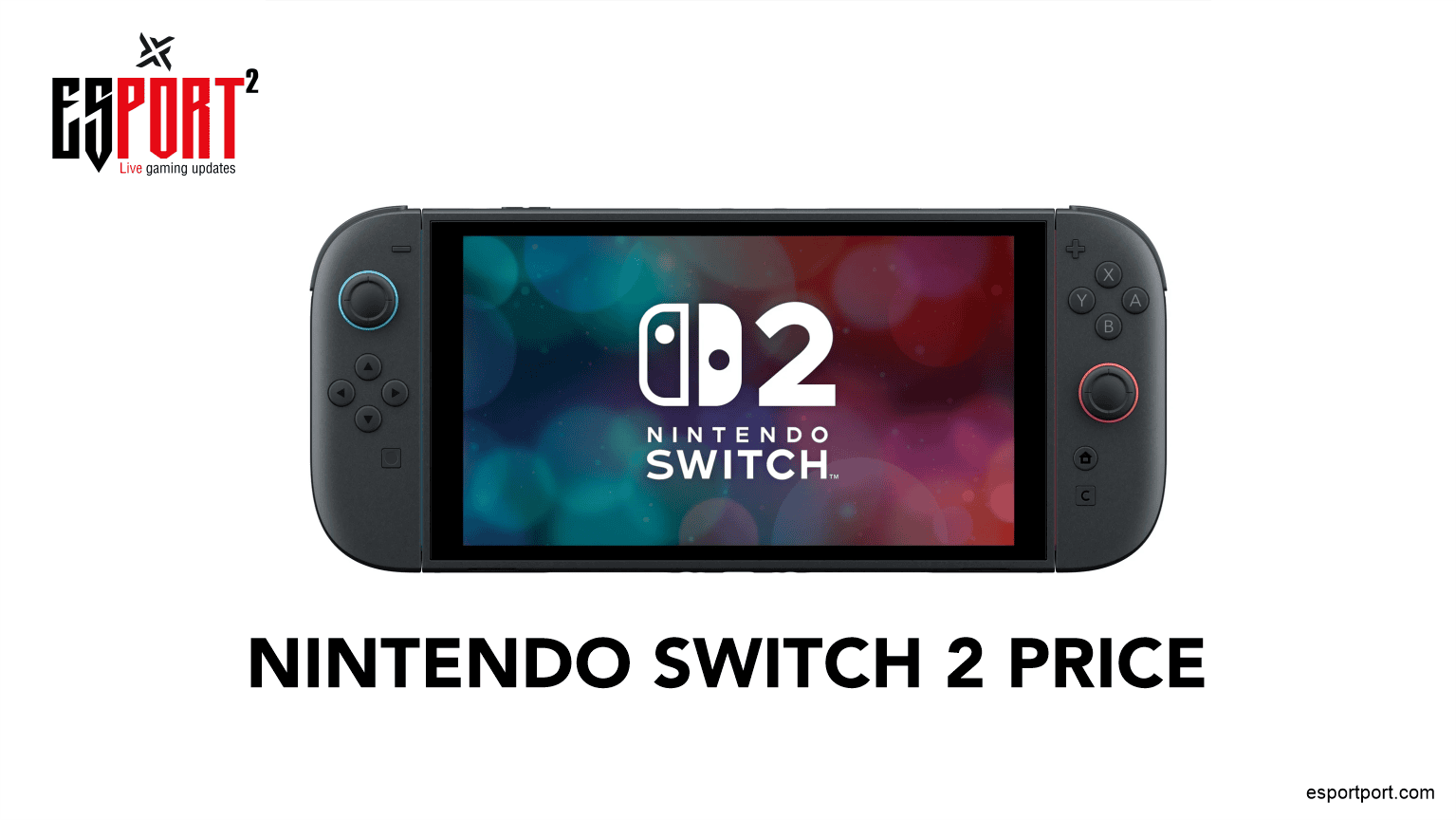
With supply chain leaks from Foxconn and custom Nvidia silicon entering mass fabrication, the Nintendo Switch 2 is poised to bridge the gap between portable handheld convenience and home console performance. Here is the verified technical architecture.
⚡ Architecture: Custom Nvidia Tegra T239 | 🖥️ Resolution: 1080p Handheld / 4K Docked (DLSS) | 💰 Target MSRP: $399 – $449
The handheld gaming market has transformed radically since Nintendo revolutionized the landscape in 2017. Between the rise of portable PC handhelds like the Steam Deck and ROG Ally, enthusiast gamers in tier-1 markets across the United States, Canada, and Singapore have been eagerly awaiting Nintendo’s official next-generation successor.
Recent manufacturing manifests, kernel driver commits in Linux repositories, and developer kit feedback indicate that the Nintendo Switch 2 is far more than a minor iterative refresh. Powered by custom Nvidia silicon with dedicated AI Tensor cores, the console is engineered to run demanding modern AAA titles while preserving backwards compatibility.
Below is our comprehensive hardware deep dive, detailing the silicon architecture, thermal budget, pricing analysis, and projected launch lineup.
🔬 Hardware Specifications: Switch OLED vs. Switch 2
| Component | Current Nintendo Switch (OLED) | Nintendo Switch 2 (Verified Leaks) | Performance Multiplier |
|---|---|---|---|
| System-on-Chip (SoC) | Nvidia Tegra X1+ (16nm Maxwell) | Custom Nvidia Tegra T239 (Drake / Ampere 8nm) | ~6.5x Raw Compute Output |
| CPU Architecture | 4x Cortex-A57 @ 1.02 GHz | 8x ARM Cortex-A78C @ 1.5–2.0 GHz | ~4.2x Multithreaded Uplift |
| GPU Cores / Architecture | 256 CUDA Cores (Maxwell) | 1,536 CUDA Cores (Ampere with Ada Lovelace features) | ~6x Rasterization Power |
| Memory (RAM) | 4GB LPDDR4 @ 25.6 GB/s | 12GB LPDDR5X (128-bit bus @ 102 GB/s) | 3x Capacity / 4x Bandwidth |
| Internal Storage | 64GB eMMC 5.1 | 256GB / 512GB UFS 3.1 NVMe | Up to 10x Read/Write Speeds |
| Display Panel | 7.0-inch 720p OLED (60Hz) | 8.0-inch 1080p Custom LCD / OLED (120Hz VRR) | Higher Pixel Density & Fluidity |
| AI Hardware | None | Dedicated Tensor Cores (DLSS 3.1 + Ray Reconstruction) | Enables 4K Docked Output |
📢 Next-Gen Hardware Leaks & Gaming News on WhatsApp
Get verified console specs, benchmark tests, and price drops delivered straight to your phone. Join EsportPort Free →
🚀 The Nvidia DLSS Secret: How Switch 2 Achieves 4K Docked
The most significant technological breakthrough for Nintendo is its ongoing partnership with Nvidia. Rather than brute-forcing high resolutions like the PS5 or Xbox Series X—which generates immense heat and demands massive power supplies—Nintendo is relying on Deep Learning Super Sampling (DLSS).
The Thermal & Power Efficiency Equation
- Handheld Mode (7W – 10W Envelope): The console renders internally at 720p or 540p, which is then upscaled using DLSS to native 1080p on the 8-inch screen. This conserves battery life while delivering razor-sharp text and edge anti-aliasing.
- Docked Mode (15W – 25W Envelope): Inside the dock with active fan cooling, clock speeds boost significantly. The GPU renders internally at 1080p or 1440p, utilizing Tensor cores to reconstruct the image to a pristine 4K (3840×2160) signal on modern living room displays.
Furthermore, developer leaks from Gamescom demo sessions confirmed hardware-accelerated Ray Tracing. While full path-tracing will be out of reach, targeted ray-traced shadows and ambient occlusion will provide a dramatic visual leap for first-party titles.
💰 Global Pricing Strategy: US ($) and Singapore (SGD) Projections
Nintendo has historically prioritized accessibility, but inflation and rising memory component costs make the old $299 price point unrealistic.
| SKU Tier | United States (MSRP) | Singapore (SGD Est. incl. GST) | Target Consumer Market |
|---|---|---|---|
| Standard Edition (256GB LCD) | $399.99 USD | $549 – $579 SGD | Mainstream family & competitive gamers |
| Collector / Deluxe Bundle (512GB OLED) | $449.99 USD | $619 – $649 SGD | Enthusiasts, tech early adopters & streamers |
| Switch 2 Pro Controller | $79.99 USD | $109 SGD | Upgraded Hall-Effect anti-drift analog sticks |
| First-Party Software (Standard) | $69.99 USD | $95 SGD | Industry-standard AAA software pricing |
At $399 USD, the Switch 2 directly undercuts the PS5 Digital and Steam Deck OLED while offering the irreplaceable commercial superpower: Nintendo’s untouchable first-party IP ecosystem.
🎮 Projected Launch Window & Confirmed Game Pipeline
Industry supply schedules from display manufacturers point toward an official hardware announcement in Fall 2024 / early 2025, with retail shelf arrivals targeting Spring 2025 (March–May).
| Anticipated Title | Developer / Publisher | Expected Status | Technical Highlight |
|---|---|---|---|
| Next 3D Super Mario Platformer | Nintendo EPD | Day 1 Launch Title | Seamless open-world sandbox running at locked 60 FPS |
| Metroid Prime 4: Beyond | Retro Studios / Nintendo | Launch Window | Full 4K DLSS implementation with ray-traced lighting |
| Pokémon Gen 10 | Game Freak | Late 2025 / 2026 | Overhauled engine with zero framerate stutter |
| Cyberpunk 2077 / Final Fantasy VII Remake | Third-Party Ports | Launch Year | Demonstrating AAA third-party parity via DLSS |
💡 Hardware Verdict
The Nintendo Switch 2 is executing a brilliant tactical maneuver. By utilizing Nvidia’s Ampere/Ada architecture, Nintendo avoids the trap of shipping an underpowered device while keeping manufacturing costs within reach of the mass market. For gamers in the US and Singapore looking for a single device that bridges home 4K television gaming with commute portability, the Switch 2 is positioned to dominate the second half of the decade.
📖 ALSO READ