

In the high-intensity battlegrounds of competitive Fortnite—from daily Victory Cash Cups to the prestigious Fortnite Champion Series (FNCS)—the divide between average arena contenders and elite tournament champions is defined by a single mechanical discipline: piece control. As the competitive ecosystem gears up for the dawn of a brand-new competitive era—previewed in our breakdown of Fortnite Chapter 6 Season 1 Japanese mythology leaks and movement mechanics—mastering the art of claiming building pieces before your opponent can place them is the definitive benchmark of modern competitive supremacy.
Executing piece control is not merely a matter of rapid button pressing; it is a game of predictive spatial psychology, crosshair placement discipline, and right-hand peek geometry. Whether executing the classic Mongraal box take, trapping opponents inside cones during high-ground retakes, or tunneling safely through fifty-player moving zones in stacked endgame lobbies, this comprehensive masterclass details the exact blueprints required to dominate competitive box fights.

The Philosophy of Piece Control: Trapping Before Damaging
The foundational law of piece control is simple yet profound: never shoot an opponent until you own the grid surrounding them. In legacy Fortnite metas, players focused purely on 50/50 aim duels, jumping into an enemy’s wooden box with a shotgun and trading high-damage blasts. In modern competitive lobbies, taking a 50/50 duel is considered a critical tactical blunder because even if you win the fight, taking 150 damage leaves you vulnerable to immediate third-party eliminations.
True piece control means placing your own walls, ramps, floors, and cones around the enemy before they realize they are trapped. By owning the physical structures, you dictate the pacing of the engagement. You can edit open windows, take safe chip damage using right-hand peeks, immediately reset the edit to block return shotgun fire, and finish the elimination without absorbing a single hit point of shield damage.
| Piece Control & Tunnel Technique | Input Execution Blueprint | Tactical Role in Tournament Matches | Material Cost & Risk Profile |
|---|---|---|---|
| Peanut Butter Edit Peek | Edit top 3 corner tiles > jump-shot > reset | Guarantees 100% protected right-hand shotgun blast | Zero material waste; low risk / high damage |
| Classic Box Wrap (Mongraal Take) | Claim wall > edit door/arch > insert cone > pump | Trap player inside box; prevents defensive ramp placement | Requires 20 mats (Wall + Cone); high reward |
| Diagonal Hard Tarp (Tunneling) | Place floor + wall + wall diagonally in zone | Rotates through stacked 50-player endgame zones | 30 mats per tile (Wood/Brick); essential survival |
| High-Ground Side Jump Catch | Jump out of 1×1 > place floor/cone > catch on wall | Reclaims high-ground elevation without burning mats | 10-20 mats; requires precise jumping momentum |
| Window Edit Reset Bait | Edit middle window > pre-aim head > bait shot | Forces enemy to waste primary pump shot on reset wall | Zero mats; resets enemy fire tempo instantly |
| V-Tarp Moving Zone Rotation | Place ramp above head + outer wall while running | Shields from high-ground AR spray during zone pull | 20 mats per grid; shields against overhead spam |
The Right-Hand Peek: Exploiting Third-Person Camera Geometry
Fortnite is rendered exclusively in a third-person camera perspective anchored over the character’s right shoulder. This creates an enormous geometric asymmetry: when peeking around an obstacle to your right, your camera sees the enemy before your character’s body model clears the wall. Conversely, peeking to your left requires exposing your entire torso and head before your crosshair can acquire the target.
Elite competitors exploit this through the famous Peanut Butter Edit. By editing the top three corner tiles of a wall (creating an upward-sloping triangle), the player remains completely concealed behind the lower portion of the wall. When ready to strike, executing a micro-jump while looking through the edited opening lets you fire a shotgun blast over the lip with pristine right-hand protection, landing heavy headshot damage while exposing zero hittable body surface area to the defender.
Predictive Piece Placement: Slicing the Box Exits
Novice players attempt piece control reactively: they see where an enemy is standing and place a wall. Professional competitors play two steps ahead, executing predictive piece placement. When you pressure an opponent’s wall with your pickaxe or assault rifle, the opponent’s instinct is to edit out the back or side of their box to establish a new defensive 1×1.
Before the opponent can initiate their escape, a skilled player wraps walls around their projected exit vector and drops a pre-placed cone on their future floor. When the enemy edits out to escape, they run head-first into your pre-built trap. Because the cone prevents them from placing their own defensive ramp, they are rendered completely defenseless in an open box, allowing you to secure an effortless elimination.
Endgame Tunneling (Tarping) in Stacked FNCS Lobbies
While box fights dominate early and mid-game skirmishes, the true test of a tournament player’s mechanics occurs during moving zones (Circles 5 through 9). In stacked lobbies featuring 40 to 60 living players in compact circles, rotating without getting laser-focused by third parties requires disciplined tarping.
The standard tournament tarp is the Diagonal Hard Tarp. Running diagonally toward the safe zone, the player places a floor beneath their feet, an overhead roof, and an outer wall facing the congested side of the lobby. By placing walls selectively only toward angles where living opponents reside, you conserve critical building materials (using brick or metal for longevity) while creating an impenetrable tunnel that transports your duo or trio safely into placement points.
Scroll-Wheel Reset and Keybind Optimization
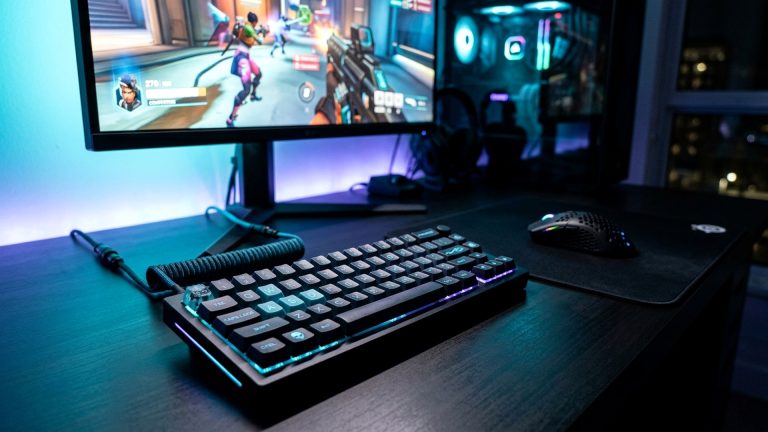
Executing lightning-fast piece control requires optimal hardware bindings. The single most mandatory setting in competitive Fortnite is Scroll-Wheel Reset. By binding ‘Reset Building Edit’ and ‘Building Edit’ secondary slots to Mouse Wheel Down, flicking your finger instantly resets an edited wall back to a solid barrier in a single frame (sub-16 milliseconds).
Furthermore, ensure that your primary building pieces (Wall, Floor, Ramp, Cone) are mapped to dedicated independent fingers. Assigning Wall and Ramp to side mouse buttons (Thumb 1 and Thumb 2) while mapping Floor and Cone to keyboard keys (such as Q, E, or Left Shift) ensures that you can execute complex multi-piece builds without interrupting your WASD movement vectors. In the unforgiving crucible of competitive Fortnite, mechanical speed will open doors, but disciplined piece control will crown champions.
Material Management: Hard Mats vs Soft Mats in Late Game
A critical skill that separates casual arena players from Grand Finalists in FNCS tournaments is material resource management. In Fortnite, building materials are split into three tiers: Wood (soft mats), Brick, and Metal (hard mats). Wood builds to full health fastest, making it ideal for quick mid-fight box wraps and early-game defensive covers. However, during moving zones where 30 players are spraying high-caliber rifles, wooden walls are easily shredded within seconds.
Professional competitors hoard their 500 Brick and 500 Metal specifically for moving endgame tarping. A freshly placed Metal wall has 100 starting health and builds up to a massive 500 maximum HP, making it virtually impervious to third-party lobby focus fire. By rationing soft mats during early rotations and reserving hard materials for dense final circles, duos ensure that their endgame tunnels remain intact while opponents deplete their inventories and fall to storm surge eliminations.

Disabling Pre-Edits and Mastering the Martoz Cone Slide
One of the most essential settings tweaks for high-level piece control is enabling the ‘Disable Pre-Edit Option’ in the game’s building submenu. Leaving pre-edits enabled frequently causes players to accidentally pre-edit a wall or ramp while trying to build rapidly, resulting in broken structures that expose you to incoming fire during chaotic box fights.
Additionally, advanced competitors regularly employ specialized mechanical tricks like the Martoz Cone Slide. By placing a cone inside an enemy box and immediately editing two adjacent tiles to form a ramp facing away from the opponent, you can slide diagonally through their wall while retaining complete shotgun aim centering. These micro-mechanical innovations constantly keep defensive box holders guessing, ensuring that aggressive piece control remains an un-counterable offensive weapon.
Frequently Asked Questions Regarding Fortnite Piece Control
What is piece control in competitive Fortnite?
Piece control is the mechanical technique of placing your own building structures (walls, cones, floors) around an opponent before they can build, trapping them for an un-counterable elimination.
Why is a right-hand peek so advantageous in Fortnite?
Fortnite’s third-person camera is positioned over the right shoulder, allowing players to peek around right corners and shoot while keeping their character’s hitbox shielded behind cover.
How do you enable Scroll-Wheel Reset?
Go to keyboard settings and assign Mouse Wheel Down (or Up) as the secondary keybind for both ‘Building Edit’ and ‘Reset Building Edit’ to reset builds instantly in a single flick.
What is the most material-efficient tarp for moving zones?
The diagonal tarp placing a floor, roof, and a single protective wall toward the crowded lobby angle uses only 30 mats per tile while shielding against surrounding gunfire.
Related posts:
 Twitch Drops Rewards Guide: How to Link Accounts, Claim In-Game Loot & Unlock Evolving Badges
 AMD Ryzen 7 9800X3D Benchmark Leak & Arrow Lake Shootout: 2nd-Gen 3D V-Cache Under CCD, 5.2GHz Boost & 96MB L3 Gaming Domination
 BGMI & PUBG Mobile 3.5 Glacier Update: Icemire Frontier Secret Vault Locations, Frost Dragon & 120 FPS Guide
 Warzone & Black Ops 6 Season 1 Reloaded Meta Tier List: Best Weapons, Omnimovement Perks & Loadouts
