
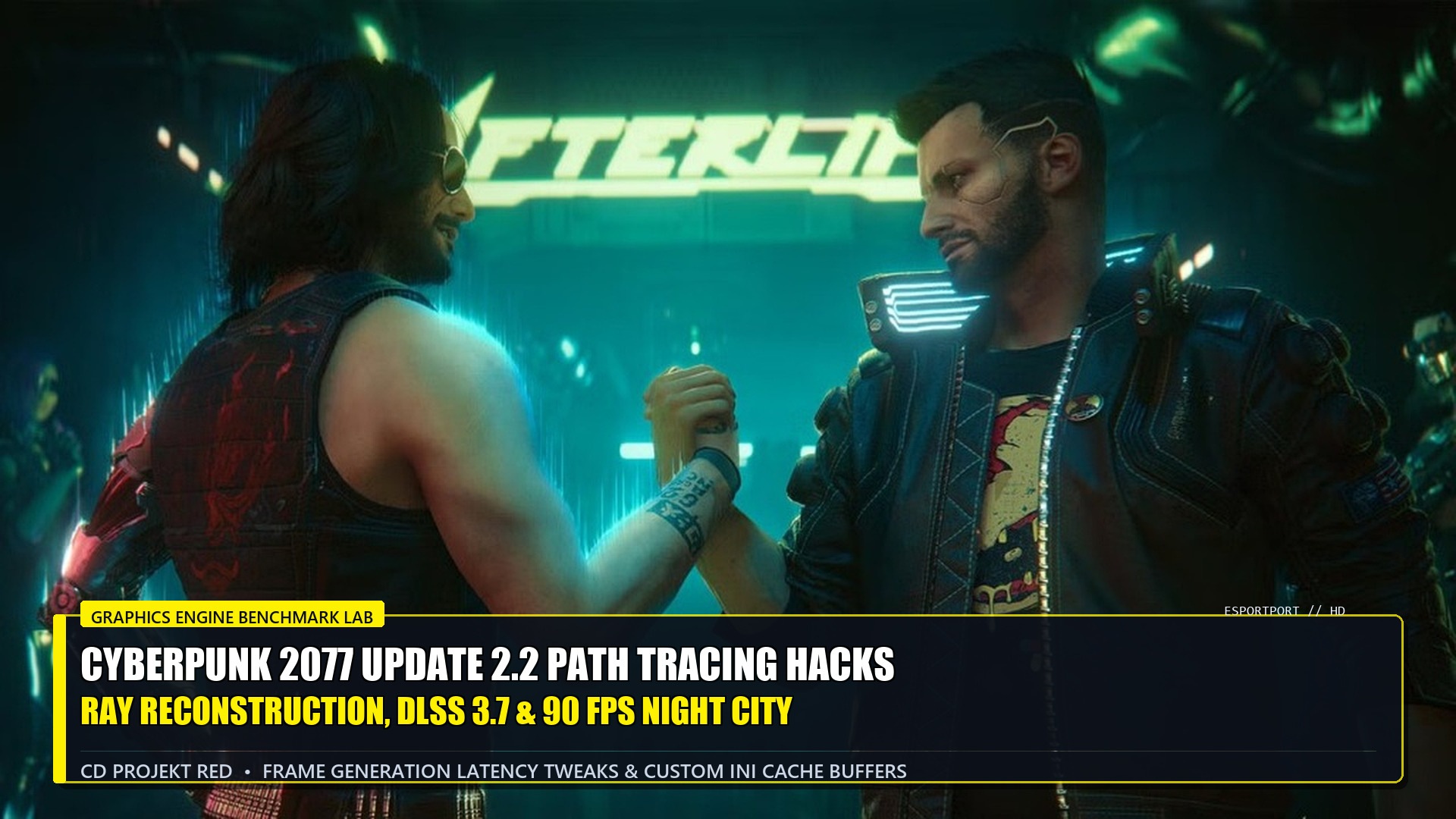
Following the triumphant cultural and technical resurgence of Cyberpunk 2077 and the Phantom Liberty expansion, CD Projekt Red has firmly transitioned full-scale production to its ambitious sequel, codenamed ‘Project Orion’. Anchored by CDPR’s brand-new North American flagship studio in Boston, Massachusetts, alongside core veteran leads in Warsaw and Vancouver, internal development disclosures have revealed monumental architectural shifts: the complete migration from REDengine to Epic Games’ Unreal Engine 5.5, a vastly expanded metropolitan simulation, seamless multiplayer subsystems, and groundbreaking procedural quest reactivity.
Project Orion Development Blueprint & Studio Structure
Unlike the turbulent development cycle of the original 2020 release, CDPR has restructured its entire engineering pipeline. The Boston hub, led by Game Director Gabe Amatangelo and veteran narrative designers, operates in direct technical partnership with Epic Games’ engine architects. Below is an overview of the technical parameters defining Project Orion.

| Development Pillar | Project Orion Specification | Original Cyberpunk 2077 Baseline | Expected Architectural Improvement |
|---|---|---|---|
| Game Engine | Custom Unreal Engine 5.5+ | Proprietary REDengine 4 | Elimination of engine tech debt; Nanite & Lumen native scaling |
| Metropolitan Scale | Night City + Northern Suburbs + Orbital Colony | Night City + Dogtown District | Over 45% increase in vertical and explorable interior spaces |
| Multiplayer Integration | Seamless Drop-in Co-op & Tactical Netrunner Duels | Single-Player Only (Multiplayer cancelled) | Dedicated server netcode built on Epic Online Services (EOS) |
| Pedestrian & Traffic AI | MassEntity Neural Simulation | Hardcoded Scripted Splines | Dynamic faction turf warfare and emergent police response |
| Target Platforms | PlayStation 6, Next Xbox, High-End PC | Cross-Gen (PS4 / Xbox One / PC) | Zero legacy hardware concessions; mandatory SSD DirectStorage |
The Unreal Engine 5 Shift: Nanite Geometry & Lumen Lighting
The decision to retire REDengine was driven by the monumental engineering overhead required to maintain proprietary tech. By adopting Unreal Engine 5.5, CDPR unleashes Epic’s Nanite virtualized micro-polygon geometry system. Environmental artists can import uncompressed film-grade ZBrush sculpts without baking down low-poly normal maps, rendering intricate cyberware prosthetics, rusted industrial ventilation shafts, and neon-drenched chrome vehicles with microscopic surface fidelity.
Hardware-accelerated Lumen global illumination combined with MegaLights technology allows the Boston team to simulate thousands of dynamic, cast-shadowing neon light sources simultaneously. Where the original game relied heavily on custom pre-computed lightmaps until its revolutionary Path Tracing Overhaul, Project Orion features fully dynamic, real-time path-traced lighting as a foundational design element.
Expanding Beyond Night City: The Orbital Colonies & Pacifica Trench
Narrative leaks indicate that Project Orion will not simply recycle the familiar streets of Watson, Westbrook, and Heywood. While Night City remains the beating cybernetic heart of the franchise, the sequel drastically expands into previously inaccessible corporate enclaves. Players will reportedly explore the high-orbit Crystal Palace space station, the secretive bio-tech agricultural corporate sectors beyond the Badlands, and the subterranean ruins beneath the Pacifica Trench.
The lifepath system has received an exhaustive overhaul. Rather than providing a brief 20-minute prologue before converging into a unified narrative track, Project Orion introduces divergent faction allegiances that alter dialogue trees, corporate access badges, netrunning vulnerabilities, and hostile gang bounties across the entire campaign.
Multiplayer Subsystems: Co-Op Heists in the Dark Future
Perhaps the most significant revelation from CDPR’s Boston studio is the formal confirmation of multiplayer engineering positions. Rather than attempting a sprawling battle royale, Project Orion’s multiplayer focus emphasizes tactical cooperative operations. Small squads of edgerunners—combining Solo combat specialists, Techie gadget engineers, and Netrunners—can execute multi-phase corporate heists reminiscent of classic tabletop roleplaying sessions.
Just as competitive players coordinate strategic utility and split-second decisions in esports showcases like the Game Awards nominations, Orion’s cooperative encounters challenge players to synchronize breach protocols, disable internal security turrets, and provide covering fire during high-speed extraction chases.
Production Timeline & Release Outlook
CD Projekt Red has adopted a disciplined milestone schedule. With the studio completing its conceptual prototyping phase in late 2024, Project Orion entered full pre-production throughout 2025 and 2026. Industry analysts expect the title to serve as a flagship launch window showcase for next-generation console hardware around late 2027 or 2028, setting an unprecedented standard for immersive narrative RPGs.
MegaLights & Real-Time Path Tracing in Unreal Engine 5.5
CD Projekt Red’s adoption of Unreal Engine 5.5’s MegaLights subsystem marks an extraordinary technical leap for Project Orion. In traditional deferred rendering engines, casting dynamic shadows from hundreds of individual light sources incurred catastrophic GPU performance penalties. MegaLights solves this fundamental limitation by utilizing stochastic ray sampling and virtualized light caching, enabling developers to place thousands of dynamic, cast-shadowing neon signs, streetlamps, and holographic advertisements throughout Night City simultaneously.

Combined with UE5’s native Lumen path tracing architecture, sunlight refracts naturally through multi-layered skyscraper glass, reflecting realistic colored specular highlights onto wet asphalt streets below. Environmental artists no longer need to author pre-baked lightmaps, allowing dynamic weather systems—such as acid rainstorms and dense cyber-smog—to completely alter environmental lighting in real time.
MassEntity Neural Simulation & Emergent Turf Warfare
One of the most persistent criticisms of the original Cyberpunk 2077 release was its reliance on hardcoded pedestrian splines and unreactive vehicular AI. For Project Orion, CDPR’s Boston studio has implemented Epic’s high-performance MassEntity framework. MassEntity utilizes data-oriented technology stacks (DOTS) to simulate tens of thousands of autonomous city denizens concurrently with negligible CPU overhead.
Pedestrians possess individual daily routines, occupation schedules, and faction allegiances. If a gang shootout erupts between the Valentinos and Maelstrom in Heywood, nearby citizens realistically flee into storefronts, emergency sirens trigger dynamic police dispatches, and rival gangs mobilize reinforcements based on real-time territory control algorithms. This creates a living, breathing metropolis where emergent gameplay replaces rigid scripted events.
Orbital Space Stations & Subterranean Pacifica Ruins
Narrative and level design leaks indicate that Project Orion expands Night City vertically in both directions. High above Earth’s atmosphere, players will access the opulent Crystal Palace orbital luxury resort, navigating zero-gravity corporate espionage encounters among high-society aristocrats. Conversely, deep beneath Pacifica, players will explore forgotten corporate research bunkers and ruined subway networks flooded with lethal combat androids and rogue AI constructs escaping the Blackwall.
Cyberware Modularity & Real-Time Netrunning Infiltration
Beyond visual fidelity, Project Orion completely reinvents character progression and cyberware installation systems. Leaked internal design documents describe a visceral, tactile Ripperdoc interaction model where every cybernetic implant—from subcutaneous ballistic plating to neural optical cpus—physically alters your character model and HUD telemetry. Players can customize internal cyberware clock speeds, trading increased quickhack upload velocity for higher neural heat accumulation that risks triggering cyberpsychosis debuffs during protracted firefights.
Netrunning in the sequel transcends the simple menu-driven selection of quickhacks seen in 2077. Netrunners can physically jack into building junction boxes, launching real-time sub-routine minigames that manipulate municipal power grids, override internal ventilation fans to disperse toxic gases, and redirect automated defense combat drones against corporate security squads. This profound systemic depth ensures that stealth, hacking, and guns-blazing combat playstyles offer vastly divergent pathways through every corporate facility in Night City.
Vertical City Architecture & Subterranean Exploration
The architectural scope of Project Orion redefines open-world level design by emphasizing full verticality throughout Night City. Rather than restricting players to street-level sidewalks and designated elevator waypoints, CD Projekt Red’s Boston studio is engineering interconnected multi-level districts where elevated skybridges, rooftop gardens, and corporate maintenance gantries offer alternative traversal routes for agile edgerunners.


Beneath the city streets, the mysterious ruins of old Pacifica and abandoned corporate mag-lev transit tunnels harbor emergent subterranean factions and rogue cyberware laboratories. Players specializing in stealth and parkour can bypass heavily fortified street checkpoints entirely by navigating ventilation shafts and subway infrastructure, unlocking unique tactical advantages during high-stakes corporate espionage missions across the dark future metropolis.
Additionally, CD Projekt Red’s Boston studio emphasizes an iterative development culture where veteran Witcher and Cyberpunk engineers collaborate closely with Epic Games specialists, ensuring that proprietary gameplay systems integrate seamlessly with Unreal Engine 5’s cutting-edge rendering pipeline.
Frequently Asked Questions
Why did CD Projekt Red switch from REDengine to Unreal Engine 5 for Project Orion?
CDPR partnered with Epic Games to leverage Unreal Engine 5’s mature toolset, Nanite geometry, and Lumen lighting, allowing their developers to focus on narrative and game design rather than continuous engine maintenance.
Which studio is leading the development of the Cyberpunk 2077 sequel?
The sequel is spearheaded by CD Projekt Red’s North American studio based in Boston, Massachusetts, supported by veteran staff in Vancouver and Warsaw.
Will the Cyberpunk sequel feature multiplayer or co-op gameplay?
Studio job listings and production roadmaps confirm that Project Orion incorporates seamless multiplayer and cooperative heist features built on Epic Online Services.
What is the expected release window for Cyberpunk Project Orion?
With full-scale production progressing through CDPR Boston, the game is anticipated to launch between late 2027 and 2028 targeting next-generation consoles and PC.
Related posts:
 Dragon Age The Veilguard Launch Countdown: PC System Requirements, Preload Dates & Combat Builds
 Path of Exile 2 Early Access Launch Guide & Class Ascendancy Breakdown: 12 Classes, Couch Co-Op & Boss Mechanics
 World of Warcraft: Forever Breaks All-Time Concurrent Records & Reaches 15-Year New-Player High for Blizzard
 Sonic Pico Park, Hands Over & Derelikt Lead Nov 12–13 Steam Co-Op Wave While PC Gamers Wait for GTA 6
