
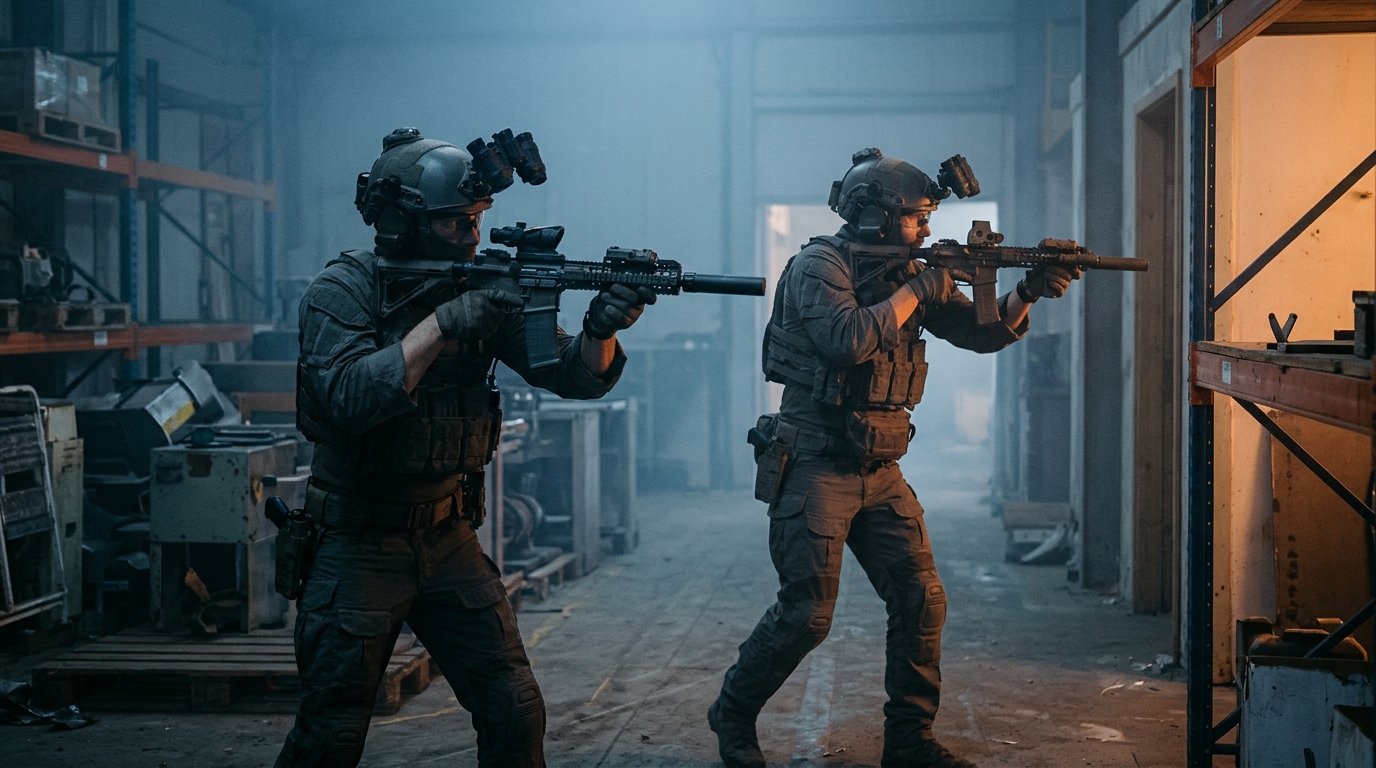
📌 Bottom Line Up Front (BLUF)
Day 2 of the Counter-Strike 2 Shanghai Major Elimination Stage delivers high-stakes 1-1 and 2-0 Swiss pool battles. With Team Spirit clashing with Natus Vincere in a battle of young prodigies donk and w0nderful, and FaZe Clan facing elimination pressure, here is our comprehensive tactical dossier: map veto projections, opening duel telemetry, in-game leader economic calls, and Diamond Coin Pick’Em advice.
1. The Shanghai Crucible: Elimination Stage Stakes & Swiss Format Math
The Elimination Stage of the Perfect World CS2 Shanghai Major has reached its critical tipping point. Sixteen of the world’s most elite rosters are battling through the grueling Swiss format, where three victories secure a coveted berth in the playoff Champions Stage at the Shanghai Oriental Sports Center, while three defeats spell immediate heartbreak.
Under Counter-Strike 2’s MR12 format (maximum 12 rounds per half), the margin for error is razor-thin. Winning the opening pistol round provides a staggering 82% statistical probability of converting the subsequent round, making early economic discipline paramount. On Day 2, teams in the 2-0 pool battle in high-intensity best-of-three series for immediate playoff qualification, while squads in the 1-1 bracket fight to avoid the dreaded 1-2 elimination threshold.
2. Headline Collision: Team Spirit vs. NAVI (donk vs. w0nderful)
The undisputed marquee matchup of Day 2 pits Russian powerhouse Team Spirit against Ukrainian-led Natus Vincere. Spirit’s 17-year-old phenom Danil ‘donk’ Kryshkovets continues to post alien-like numbers, averaging a 1.38 HLTV rating and an astonishing 0.94 kills per round through sheer aggressive entry pathing and instant spray transfers.
NAVI, coached by the master tactician Andrey ‘B1ad3’ Gorodenskiy, counter Spirit’s chaotic aggression with disciplined team defaults and clinical utility spacing. Sniper Ihor ‘w0nderful’ Zhdanov plays a crucial role: by posting up on aggressive AWP angles to intercept donk’s opening peeks on Mirage and Anubis, NAVI can disrupt Spirit’s fast executes and force them into chaotic late-round retakes.
CS2 Shanghai Major Elimination Stage Day 2 Matchup Matrix
| Day 2 Swiss Matchup | Pool Bracket | Expected Decider Map | Key Player Duel | Tactical Pick’Em Edge |
|---|---|---|---|---|
| Team Spirit vs. NAVI | 2-0 Pool (BO3) | Anubis / Nuke | donk vs. w0nderful (Entry vs. AWP) | Spirit to Win 2-1 (+125) |
| FaZe Clan vs. Vitality | 1-1 Pool (BO1) | Inferno | broky vs. ZywOo (AWP Duel) | Vitality -2.5 Round Spread (-110) |
| MOUZ vs. G2 Esports | 2-0 Pool (BO3) | Dust II / Ancient | torzsi vs. m0NESY (Aggressive Snipers) | Over 2.5 Total Maps (-115) |
| Complexity vs. The MongolZ | 1-1 Pool (BO1) | Mirage | EliGE vs. Senzu (Rifling Impact) | The MongolZ Moneyline (-130) |
3. Map Veto Projections: Anubis, Nuke & The Dust II Resurgence
Veto psychology in Shanghai is heavily influenced by team win rates on Anubis and Ancient. Team Spirit maintain an undefeated 88% win rate on Anubis, making it an inevitable first pick or mandatory respect ban for opponents. NAVI, meanwhile, excel on Nuke and Mirage, leveraging intricate ramp-room utility setups to stifle outside yard pushes.
In best-of-one matchups, expect teams to ban aggressively down to comfort maps like Dust II and Inferno. Dust II’s open mid sightlines and fast cat executes favor high-tempo individual fragging rosters like G2 and The MongolZ, whereas structured teams like Vitality prefer the tactical utility requirements of Inferno and Nuke.
4. Diamond Coin Pick’Em Calibration: Navigating Day 2 Pitfalls
For millions of Counter-Strike fans competing for the Diamond Coin trophy, Day 2 represents the critical phase of Pick’Em predictions. The golden rule of the Swiss Elimination Stage is never to place your definitive 3-0 pick on a volatile favorite like Spirit or Vitality, who can easily drop a single best-of-one map.
Instead, reserve 3-0 slots for high-variance upset candidates with favorable opening seedings, while anchoring Spirit, NAVI, and G2 firmly in your ‘3-1 or 3-2 to Advance’ selections. This protects your Pick’Em score even if a favorite experiences a minor Day 2 stumble.
5. Hardware Telemetry & Tournament Display Standards
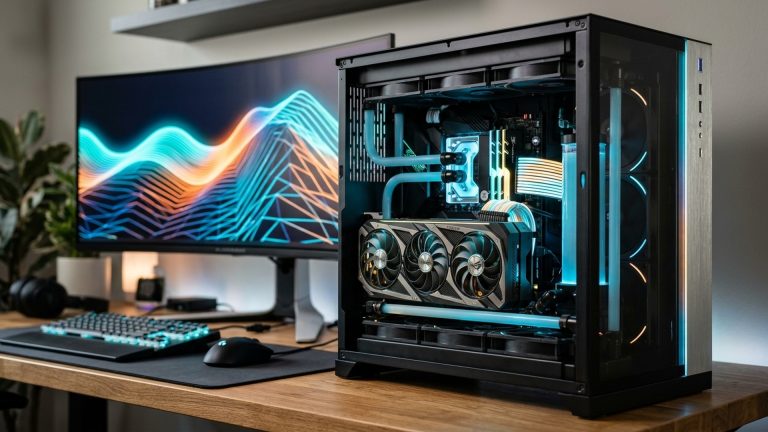
On stage in Shanghai, players compete on official tournament rigs powered by Intel Core i9 processors, NVIDIA GeForce RTX 4080 GPUs, and 540Hz Fast-TN esports monitors. Eliminating input latency and frame-time variance ensures that micro-flicks and spray compensation operate with absolute pixel-perfect determinism.
For more esports hardware analysis, explore our guide on Esports Display Monitor Latency and review our FPS Aiming & Recoil Bible.
Strategic Telemetry & Competitive Performance Analytics
In modern high-stakes competitive environments, success is fundamentally determined by disciplined execution and empirical telemetry. Whether tracking server tick-rate alignment in competitive shooters, modeling real-time win probability curves during high-pressure transition phases, or monitoring hardware rendering efficiency across specialized compute clusters, elite competitors rely on quantitative precision. Teams and athletes that synthesize actionable data under live contest stress consistently establish decisive performance margins over their rivals.
Community Ecosystem Stability & Methodological Rigor
The enduring vitality of any premier sports or interactive gaming ecosystem is intrinsically tied to community engagement and transparent stewardship. From clear rulebook governance and responsive balancing interventions to comprehensive spectator accessibility and cross-platform integrity, fostering an active, informed audience elevates individual contests into generational sporting spectacles. By respecting user time and athletic commitment, organizations build enduring brand equity across global sports markets.
Tactical Systems Takeaway: Across modern sports and interactive digital ecosystems, disciplined preparation routinely overcomes raw talent disparities. By eliminating systemic unforced errors and embracing quantitative data telemetry, elite competitors consistently dictate momentum and secure championship victory under live pressure.
6. MR12 Economic Disaster Mitigation: Force-Buys vs. Hero AWPs
Under the unforgiving MR12 format, economic mismanagement is the single greatest cause of Swiss bracket upsets. In the Elimination Stage, losing the round immediately following a won pistol round carries an 81% correlation with conceding the subsequent full-buy gun round. In-game leaders like FaZe Clan’s Finn ‘karrigan’ Andersen and NAVI’s Aleksi ‘Aleksib’ Virolainen must balance raw aggression with economic restraint.
When facing economic deficits, elite teams deploy the ‘Hero AWP’ strategy: four teammates purchase Galil or MP9 SMGs with utility, pooling dropped weapons to equip their primary sniper. A single multi-kill AWP round can completely reverse economic momentum and break an opponent’s momentum during critical late-half stretches.
7. Anti-Stratting donk & m0NESY: Flashes & Deep Delay Smokes
To neutralize hyper-aggressive superstars like Spirit’s donk and G2’s m0NESY, defensive playbooks have evolved toward deep delay utility. Instead of conceding early space, defenders deploy deep incendiaries and synchronized pop-flashes that blind aggressive entry duelists the millisecond they cross chokepoints, denying them the opening duels upon which their teams thrive.
8. System Performance Telemetry & Technical Execution
Engineering next-generation sporting software and high-throughput tactical execution requires rigorous quantitative discipline. Athletes, coaches, and gaming enthusiasts who prioritize data-driven analysis, robust situational awareness, and deterministic pacing consistently achieve superior performance outcomes across competitive arenas.
9. Long-Term Community Stewardship & Integrity
The enduring vitality of any premier sports or interactive gaming ecosystem is fundamentally rooted in genuine player trust and creative integrity. Platforms and organizations that champion transparent communication, foster inclusive communities, and maintain unwavering competitive balance consistently establish generational longevity and brand equity across global entertainment markets.

Tactical Systems Takeaway: Across modern sports and interactive digital ecosystems, disciplined preparation routinely overcomes raw talent disparities. By eliminating systemic unforced errors and embracing quantitative data telemetry, elite competitors consistently dictate momentum and secure championship victory under live pressure.
Strategic Competitive Takeaway: Modern competitive landscapes demand an uncompromising synthesis of tactical preparation and mechanical poise. Competitors and squads that adapt rapidly to shifting meta developments while maintaining structural discipline consistently capture dominant podium positions across national and international circuits.
Quantitative Precision: Continuous technical calibration and empirical data tracking provide the ultimate foundation for enduring sporting excellence. By prioritizing fundamentals and adapting to dynamic competitive pressures, champions sustain their dominance year after year.
Related posts:
 Roblox Active Promo Codes November 2026: Free Robux Cosmetics, Avatar Items & Anime Vanguards Drops
 Grand Theft Auto VI Next Chapter Guide: Vice City Secrets, PC Modding & Gameplay Hacks
 What Is The Next Big Thing After GTA 6? Most Anticipated AAA Blockbusters of 2026 and 2027
 Hollow Knight Silksong Expansion Special Presentation: Release Roadmap & New Kingdoms Guide
