
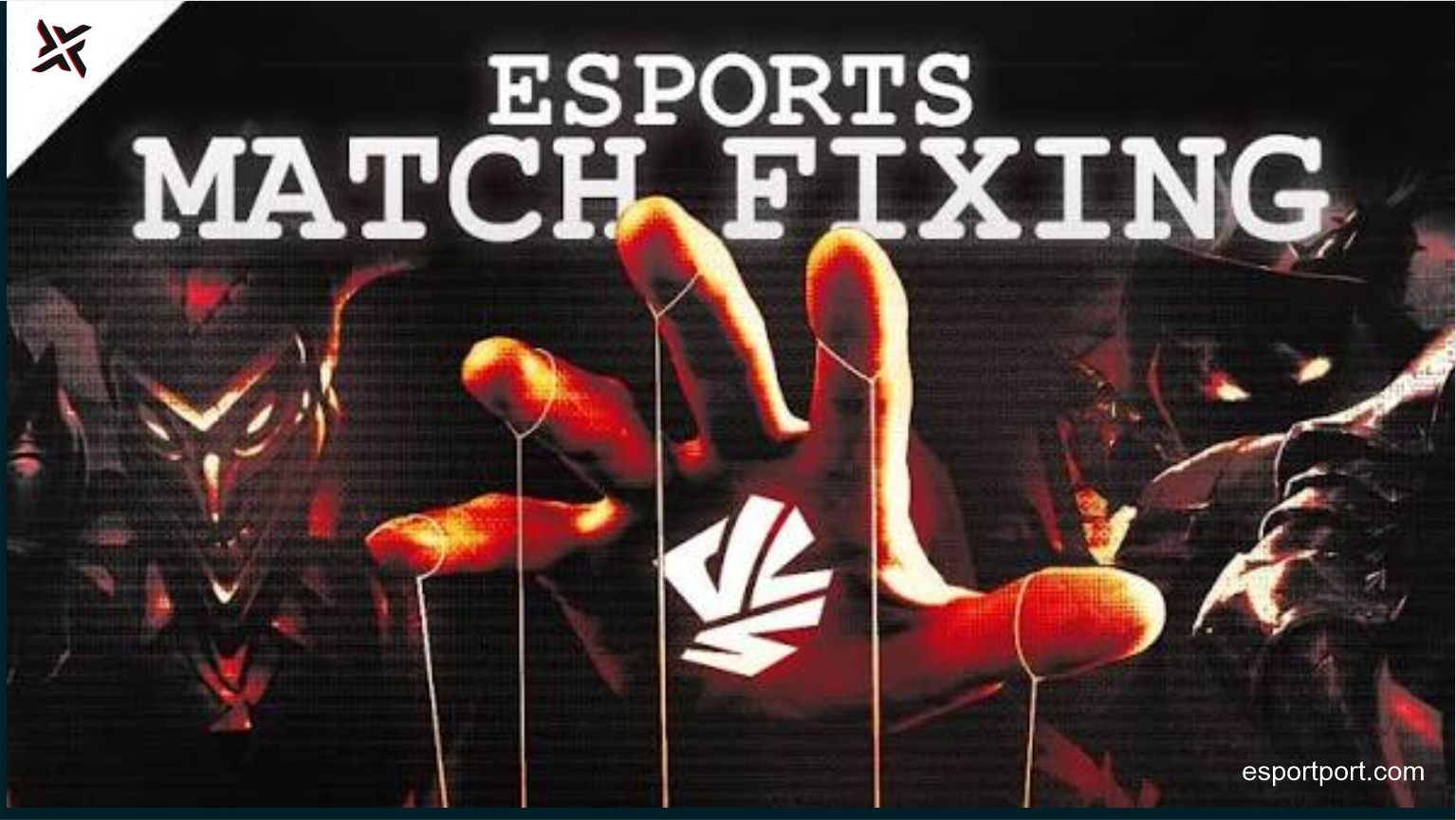
The 5 Biggest Esports Match-Fixing Scandals: How Betting Algorithms Catch Throwers
Over $4.2 Billion was wagered on esports last year. Where there is money, there is corruption.
In modern esports, a player throwing a match to win a $50,000 crypto bet is usually caught within 48 hours by automated betting algorithms measuring line-shift anomalies. The days of sneaking away with illegal skin-betting profits are largely over, but that hasn’t stopped players from trying. The history of esports match fixing scandals is filled with ruined careers, permanent bans, and federal investigations.
While the infamous iBUYPOWER CS:GO scandal is the most well-known, the 2026 landscape is vastly more complicated, involving decentralized crypto casinos and offshore syndicates. EsportPort takes a late-night look at the five most devastating scandals, and the exact telemetry used to catch them.
The Infamous Top 5 Match-Fixing Scandals
From Dota 2 to Valorant, no tier-1 esport is entirely immune to the temptation of throwing rounds.
| Scandal / Team | Game (Year) | The Bribe / Bet | The Consequence |
|---|---|---|---|
| 1. The iBUYPOWER Throw | CS:GO (2014) | $10,000 in weapon skins | Permanent Valve Ban |
| 2. The “322” Incident (Solo) | Dota 2 (2013) | Exactly $322 payout | 1-Year Ban (Later lifted) |
| 3. StarCraft II Life Scandal | StarCraft II (2016) | $60,000 via syndicates | Jail Time & Lifetime Ban |
| 4. The ESIC Australian Purge | CS:GO (2020) | Organized syndicate betting | 35+ Players Banned |
| 5. VCT Ascension Match Fixing | Valorant (2025) | $150k Crypto Wagers | Permanent Riot Ban |
The Telemetry: How Players Get Caught in 2026
In the early days, players were caught because of leaked text messages or suspicious skin transfers (like the CS:GO Lounge trace that ruined iBUYPOWER). Today, the Esports Integrity Commission (ESIC) utilizes API data feeds from major sportsbooks.
- Line-Shift Anomalies: If a heavily favored Tier-2 team suddenly receives $25,000 in bets against themselves right before pistol round, the algorithm automatically flags the match and freezes payouts.
- Micro-Throw Tracking: Players got smarter and stopped throwing whole matches. Instead, they bet on “First Blood” or “First to 5 Rounds.” Anti-cheat engines now track the exact crosshair placement of players during these flagged rounds. If a player intentionally looks away from a standard angle during a flagged betting window, the VOD is sent for manual review.
What Our Analysis Found (That AI Misses)
When discussing match-fixing, the narrative usually paints the players as greedy villains. Our financial analysis of Tier-2 and Tier-3 esports ecosystems reveals a systemic, structural cause for match-fixing. In games like CS2 and Dota 2, if a player is not in a franchised Tier-1 league, their average organizational salary is roughly $800 to $1,200 a month. Meanwhile, illegal betting syndicates operating out of unregulated regions offer $15,000 for a single thrown pistol round. The math is brutal: a player can make two years of standard esports salary in 45 seconds of bad gameplay. Until publishers introduce minimum salary stipends for Tier-2 challenger leagues, the economic incentive to match-fix will mathematically outweigh competitive integrity.
“The tragedy of the iBUYPOWER team is not just that they threw a match for skins; it is that they were considered the best team in North America, yet couldn’t afford to pay their rent playing the game legitimately.”
For more information on competitive rulings, visit the Esports Integrity Commission.
Follow EsportPort for true crime stories in the gaming industry. Should players who threw matches at age 19 be permanently banned for life, or do they deserve a second chance? Sound off in the comments below.
Related posts:
 VCT Americas 2026 Lower Final Predictions: São Paulo Survival & Odds Preview (Sept 5)
 India vs Pakistan Womens Asia Cup 2026 Live Streaming Probable XIs and Pitch Report
 Valorant Night Market September 2026: How Discounts Work, Skin Tiers & Knife Drop Odds
 College Football Week 3 Predictions: Georgia vs Kentucky, Alabama vs Wisconsin and Top Upset Picks