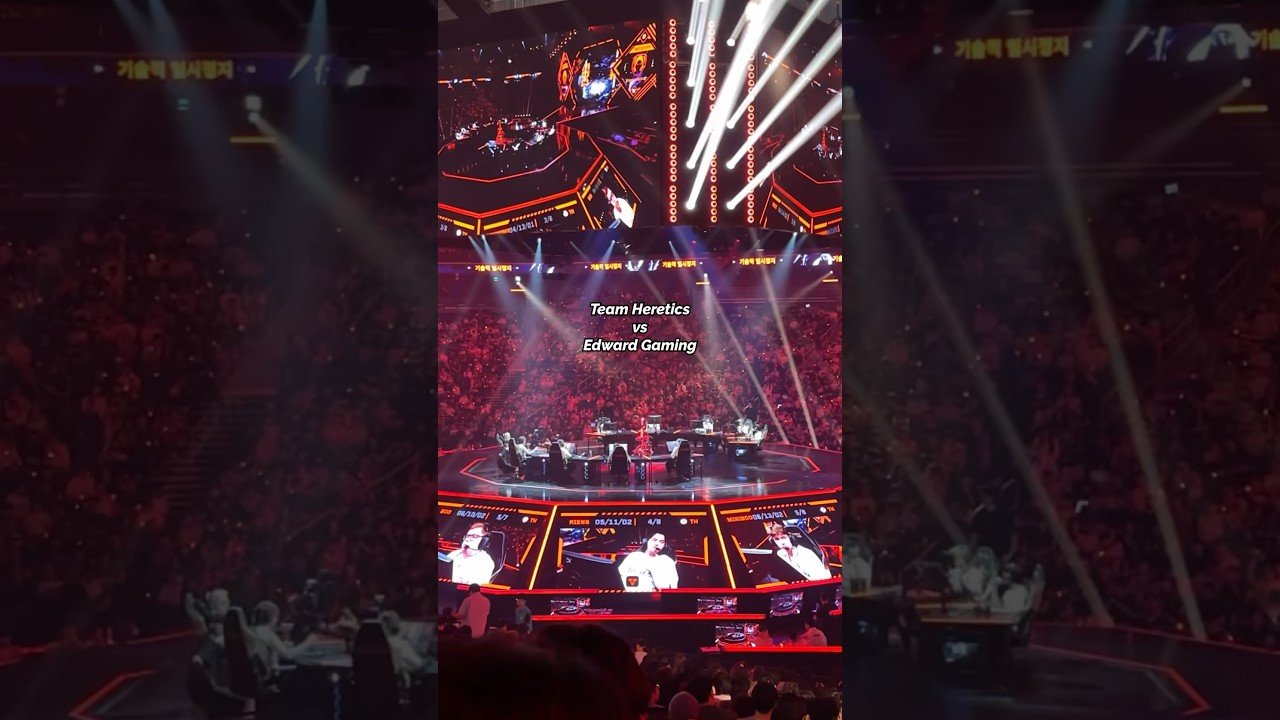
The global competitive gaming ecosystem is grappling with its most severe macroeconomic reckoning in history, and our comprehensive VCT LEC Esports Winter Financial Analysis investigates whether franchised leagues can construct genuinely sustainable business models before venture capital reserves completely evaporate. Over the past five years, prominent esports organizations operated on hyper-inflationary burn rates fueled by speculative tech valuations, lavish corporate headquarters, and seven-figure player contracts. However, as sponsor marketing budgets retreated and interest rates climbed, the reality of cash-flow deficits triggered aggressive structural downsizing across North America and Europe.
The Collapse of the Venture Capital Era
Between 2018 and 2022, franchise slot auctions for competitions like Riot Games’ League of Legends European Championship (LEC) and Activision Blizzard’s Overwatch League commanded eye-watering fees ranging from $20 million to $35 million. Organizations justified these capital commitments through projections of lucrative broadcast media rights that never materialized. Traditional broadcast networks showed negligible appetite for competitive gaming packages, while platforms like Twitch and YouTube refused to sustain bidding wars for non-exclusive tournaments.
The VCT Partnership Model: Why Digital Items Are Saving Teams
Unlike legacy franchising models that burdened team owners with massive amortized debts, the Valorant Champions Tour (VCT) established a revenue-sharing partnership architecture. Rather than charging teams tens of millions for a permanent seat, Riot Games distributes annual baseline operational stipends alongside a generous 50% revenue share on branded VCT team capsule skins. In 2024 alone, VCT team capsules generated over $44 million in gross revenue, delivering multi-million-dollar payouts to organizations like Sentinels, Paper Rex, and Fnatic.
Consequently, digital goods have eclipsed conventional brand sponsorships as the primary driver of team solvency. When fans purchase in-game VCT Classic gun skins, team banners, and player cards, the economic transaction provides immediate, measurable cash flow unencumbered by corporate advertising cycles. This direct-to-consumer monetization represents the single most viable pathway toward financial self-sufficiency in modern esports history.
Sporting Financial Regulations: The LEC Salary Cap Era
Simultaneously, the League of Legends EMEA Championship (LEC) instituted formal Sporting Financial Regulations (SFR) to curb runaway player compensation. Organizations that exceed the designated aggregate roster salary threshold face progressive luxury tax penalties, with collected funds redistributed to fiscally responsible teams operating within budget parameters. This regulatory intervention has stabilized operational balance sheets, preventing destructive bidding wars that previously threatened franchise solvency.
- Roster Age Diversity: Teams increasingly promote emerging talent from European Regional Leagues (ERLs) and Challengers circuits, drastically reducing median payroll while discovering hungry superstars.
- Co-Streaming Economics: The explosion of official watch parties led by creator ambassadors has expanded total viewership reach, offsetting declines on primary league broadcast channels.
- Synergy with World Championships: To analyze how international tournament viewership impacts team brand equity, examine our comprehensive LoL Worlds 2026 Grand Final Preview and review agent dynamics in our Valorant Patch 9.08 Tier List.
Long-Term Industry Outlook
In conclusion, while the speculative frenzy of the venture capital boom has permanently receded, esports is not dying; it is maturing into a rational entertainment business. Organizations that pivot toward lean operational footprints, direct digital product monetization, and creator-led community engagement will emerge stronger and more resilient than ever before.