
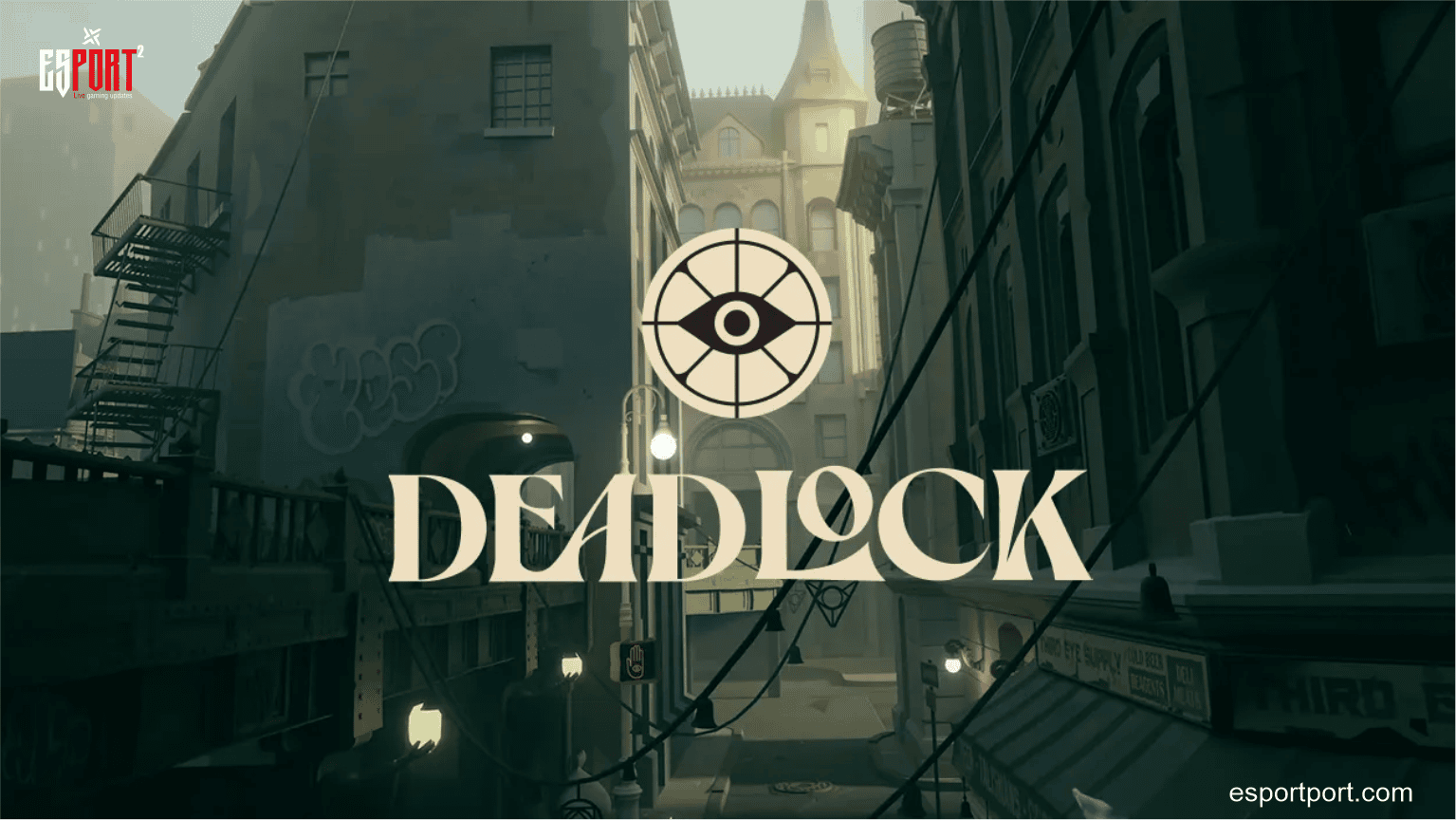
When Valve quietly invited thousands of players into a closed, non-disclosure-free playtest for a mysterious project titled Deadlock, the gaming industry held its collective breath. Developing a multiplayer title that merges the third-person hero-shooter mechanics of Team Fortress 2 and Overwatch with the complex economy, lane creep manipulation, and item depth of Dota 2 sounds like a design contradiction on paper.
Yet, after hundreds of hours in high-skill ranked lobbies, one conclusion is undeniable: Valve has crafted something extraordinary. Here is our comprehensive valve deadlock review, analyzing the game’s mechanics, technical performance, learning curve, and whether it has what it takes to become the next dominant global esport.
- Table of Contents:
- The Gameplay Hybrid: 6v6 Third-Person Hero MOBA
- Lane Mechanics: Creeps, Soul Orbs & Denies
- Itemization Depth: The Secret to High-Elo Dominance
- Audio & Visual Design: 1920s Occult Noir Aesthetic
- Critical Assessment: Strengths vs Current Shortcomings
- Final Score & Esports Outlook
- 💡 Reviewer’s Take: The High Barrier to Entry
🔥 NEXT UP (Don’t Miss This): Valve Deadlock Hero Tier List: Best Characters to Climb Ranked
1. The Gameplay Hybrid: 6v6 Third-Person Hero MOBA
Deadlock is not an arena shooter where raw flick aim guarantees victory. It is an uncompromised, strategic MOBA played from an over-the-shoulder third-person perspective across four active lanes (Yellow, Green, Blue, and Purple).
- Dynamic Traversal: Overhead transit ziplines allow players to zip back to lanes, rotate between towers, and drop onto high-ground vantage points. Movement mechanics—including directional slide jumps, wall-mantling, and double-jump air dashes—give combat a fluid, fast-paced verticality that feels remarkably distinct from flat-plane MOBAs.
- Objective Progression: Matches revolve around destroying lane Guardians, breaching Walker siege automatons, cracking base Shrines, and ultimately destroying the opposing team’s Patron deity in a massive two-phase final encounter.
2. Lane Mechanics: Creeps, Soul Orbs & Denying
Where Deadlock proves its competitive brilliance is in its lane economy:
- The Soul Orb Mechanic: Eliminating an enemy trooper does not instantly award currency. The dying unit releases a floating Soul Orb into the sky. Shooting this orb confirms the soul payout for your character.
- The Return of the Deny: Opponents can shoot your ascending Soul Orbs out of the air to steal the currency entirely. This turns every single minion wave into a micro-aim contest where players must balance landing hero poke damage with frame-perfect last-hitting and denying.
3. Itemization Depth: Endless Strategic Freedom
Unlike hero shooters where character kits remain static throughout a match, Deadlock incorporates a full shop featuring four tiers of Weapon, Vitality, and Spirit upgrades:
| Item Category | Primary Benefit | Key Meta Examples |
|---|---|---|
| Weapon Upgrades | Direct firearm scaling, fire rate, and bullet life-steal | Toxic Bullets, Siphon Bullets, Glass Cannon |
| Vitality Upgrades | Maximum health, stamina bars, armor shields, debuff removal | Majestic Leap, Colossus, Unstoppable |
| Spirit Upgrades | Cooldown reduction, ability power, and active debuffs | Veilwalker, Decay, Refresher, Curse |
This deep economy ensures that no two matches play the same. A character like Seven can be itemized as an elusive, backline Spirit spellcaster or built as an unkillable frontline hybrid tank using life-steal bullets.
4. Critical Assessment: Strengths vs Shortcomings
What Valve Got Right:
- Unrivaled Strategic Depth: Merges the mechanical satisfaction of aiming a firearm with the profound intellectual gratification of macro-rotation map control.
- Balanced Matchmaking & Netcode: Built on Valve’s proprietary Source 2 engine, tick rates remain exceptionally responsive with minimal hit registration latency even during 12-man ultimate exchanges.
- Anti-Toxicity Architecture: The absence of global all-chat during standard gameplay keeps team coordination focused on ping telemetry and tactical voice calls.
What Needs Improvement Before Launch:
- Intimidating Learning Curve: For casual players migrating from Overwatch, managing cooldowns, soul denial timings, mid-boss urn deliveries, and 16 active item slots can feel overwhelming.
- Visual Clarity During Clustered Ultimates: When multiple area-of-effect abilities (such as Dynamo’s Singularity, Seven’s Storm Cloud, and Kelvin’s Frozen Shelter) overlap simultaneously, visual readability can deteriorate into a kaleidoscope of glowing particle effects.
5. Final Score & Esports Outlook
| Metric | Rating | Editorial Notes |
|---|---|---|
| Core Mechanics | 9.5 / 10 | The last-hit soul denial system is a masterstroke of competitive design. |
| Pacing & Map Balance | 9.0 / 10 | Four-lane structure creates dynamic 1v1 and 2v2 laning variations. |
| Technical Performance | 9.0 / 10 | Flawless Source 2 optimization with high frame rates on mid-range hardware. |
| Accessibility | 7.0 / 10 | Steep learning curve that requires serious study and tutorial investment. |
| Overall Verdict | 9.2 / 10 | An instant competitive titan and Valve’s next multi-year esports pillar. |
🛡️ REVIEWER’S TAKE: THE HIGH BARRIER TO ENTRY
Deadlock is not designed for casual pick-up-and-play sessions.
If you expect a relaxed arcade experience where you can jump in for 15 minutes, Deadlock will humble you quickly. Matches regularly last between 30 and 45 minutes, demanding relentless communication, map awareness, and active item switching. However, for the millions of competitive gamers who have grown weary of static hero metas and dumbed-down tactical shooters, Deadlock provides the most intellectually demanding, mechanically rewarding competitive multiplayer experience since the golden era of Counter-Strike and Dota 2.