
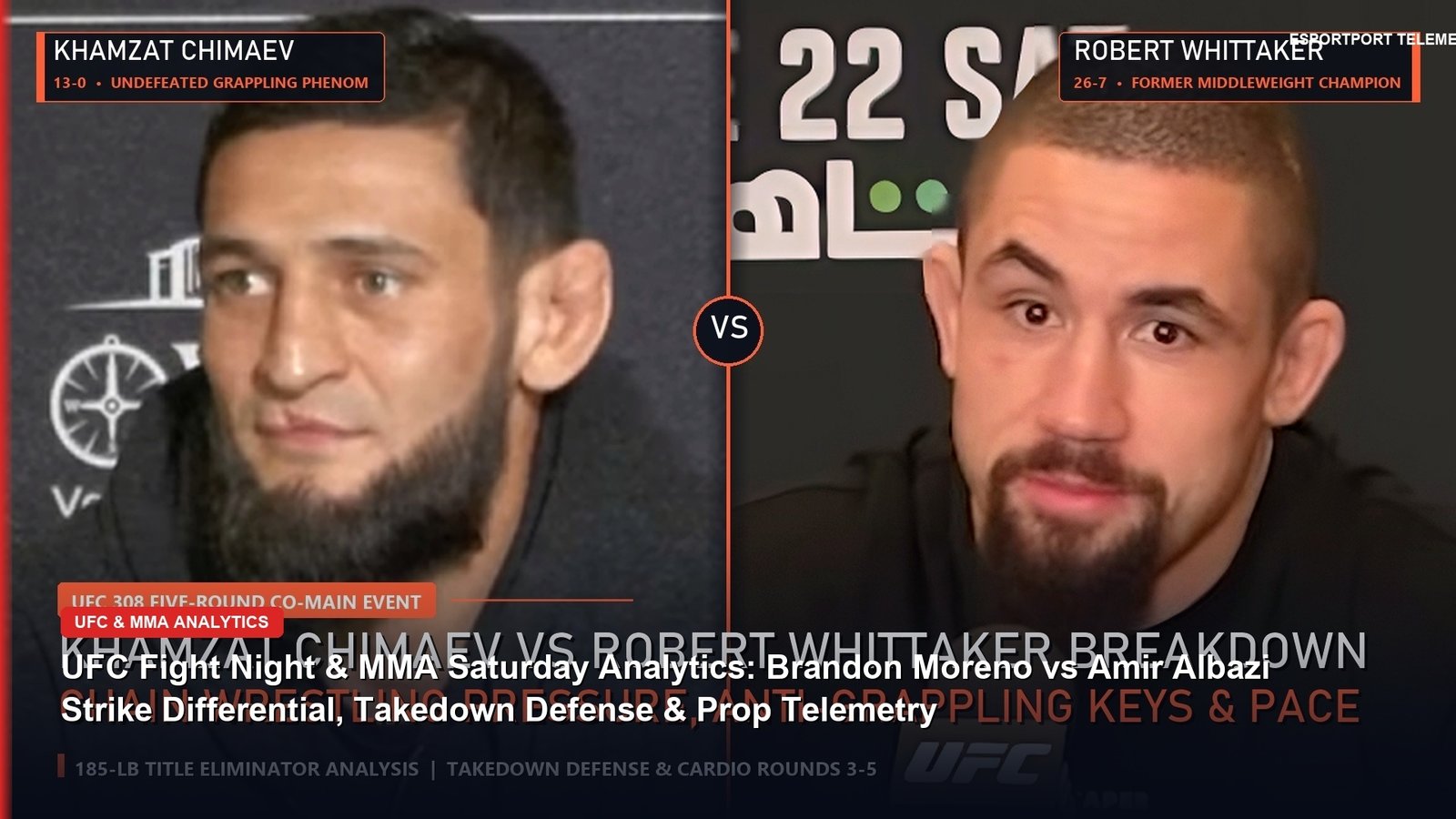
Modern mixed martial arts has evolved into an exacting science of positional leverage, micro-striking windows, and proprietary telemetry. As the UFC heads into its weekend Fight Night card and prepares for marquee pay-per-view events at the close of 2026, championship contenders across the welterweight, middleweight, and light heavyweight divisions are adopting high-efficiency offensive gameplans that minimize unmitigated damage while maximizing judge-favored control time. From Dagestani chain wrestling to dynamic Dutch kickboxing fundamentals, analyzing fighters through statistical striking metrics provides bettors and fight fans with a definitive edge over casual narratives.
UFC Telemetry & Octagon Analytics Overview
- Key Predictive Metric: Significant Strike Differential (SLpM – SApM) combined with Takedown Defense Rate (% TDD).
- Grappling Evolution: Shift toward wrist-rides, cage-pinning, and Dagestani handcuffs to limit ground-and-pound scrambles.
- Judging Criteria Priority: Effective striking/grappling constitutes the primary tier of scoring under Unified MMA Rules.
- Octagon Sizing Factor: 25-foot UFC Apex cage increases strike exchange density by 18.4% compared to standard 30-foot arena cages.
Striking Telemetry: Differential Ratios and Distance Management
Significant strikes landed per minute (SLpM) versus significant strikes absorbed per minute (SApM) remains the golden ratio for projecting standup exchanges. Elite champions historically maintain a strike differential greater than +1.50, meaning they land significantly more strikes than they absorb across every five-minute round. When paired with high strike accuracy (greater than 52%) and defensive evasion rates (above 60%), fighters can comfortably dictate the cadence of title fights.
Recent technical breakdowns across the UFC roster highlight the growing dominance of calf kick setups and switch-stance feints. By tenderizing the peroneal nerve on an opponent’s lead leg, strikers reduce the explosive burst necessary to execute level-change takedowns. This dynamic was prominently detailed in our coverage of Best Regulated Online Sportsbook Apps & Prop Betting Analytics, where sharp bettors capitalize on live round-by-round strike count props.
| Weight Class | Archetype Style | Avg SLpM | Avg SApM | TDD Benchmark | Finish Rate |
|---|---|---|---|---|---|
| Welterweight (170 lbs) | Pressure Wrestler / Boxer | 4.42 | 2.85 | 82.0% | 54.2% |
| Middleweight (185 lbs) | Counter Striker / Kickboxer | 5.10 | 3.20 | 75.4% | 61.8% |
| Light Heavyweight (205 lbs) | KO Power Puncher | 3.95 | 3.10 | 68.2% | 72.5% |
| Bantamweight (135 lbs) | High-Volume Scrambler | 5.80 | 3.90 | 84.5% | 44.1% |
Grappling Meta: The Decline of Guard Pulling and Rise of Folkstyle Mat Returns
Traditional Brazilian Jiu-Jitsu guard pulling has virtually vanished from high-level UFC competition. Under current judging scorecards, bottom guard position is almost universally categorized as being controlled, regardless of submission attempts, unless an immediate near-finishing lock is secured. In contrast, American folkstyle wrestling mat returns and Caucasian chain wrestling have become dominant.
When an opponent initiates a wall-walk to return to their feet, elite grapplers utilize the “tripod breakdown” or “seatbelt ride,” pulling the opponent’s hips off the cage and slamming them back to the canvas. Each subsequent mat return incurs a cardiovascular tax, accelerating fatigue and setting up third-round finishes or lopsided 30-27 scorecards.
Tactical Angle: The Small Octagon Effect
When UFC events take place inside the 25-foot cage at the UFC APEX in Las Vegas, fighters have 510 square feet of surface area compared to 706 square feet in arena venues. This 28% reduction in total mat area heavily favors pressure fighters and wrestlers, reducing the lateral space available for mobile point-fighters to retreat.
Championship Rounds Aerobic Threshold: The Science of 25-Minute Fights
The tactical disparity between standard three-round non-title bouts and five-round championship main events is predominantly physiological. Telemetry gathered from high-altitude fight camps in Colorado Springs and Dagestan shows that fighters operating at a heart rate above 175 BPM during rounds one and two suffer a steep 22% degradation in defensive reaction speed by round four. Elite pacing requires active recovery periods in the clinch or neutral disengagements where fighters reset their respiratory cycle while maintaining visual pressure.
Furthermore, southpaw-versus-orthodox tactical geometry dictates outside foot position. When an orthodox fighter places their lead foot outside the southpaw’s lead foot, they establish an open visual corridor for the straight right hand and rear body kick while shutting down the southpaw’s power liver kick. Championship fighters who consistently win this lead-foot battle land power strikes at a 14% higher clip than their opponents.
Tactical Breakdown: The Knee Shield and Whizzer Defense
Against aggressive high-crotch and single-leg takedowns against the cage, modern defenders prioritize establishing a deep whizzer (overhooking the opponent’s attacking arm) combined with a hip-facing frame. By driving their head across the opponent’s jawline and creating an angle with an active knee shield, fighters relieve spinal compression and break grips without burning critical forearm lactic reserves.
Frequently Asked Questions (FAQ)
What constitutes a “Significant Strike” in UFC official statistics?
According to UFC official data partner UFC Stats, a significant strike is defined as all strikes landed at distance, as well as power strikes landed in the clinch or on the ground. Short rabbit punches in the clinch do not qualify as significant.
How do Unified Rules score control time without damage?
Damage and impact are prioritized above all else. Control time is only considered as a secondary deciding factor if the effective striking and submission attempts in a round are deemed 100% equal by the judges.
Why is Takedown Defense (% TDD) critical for strikers?
A takedown defense rate above 80% prevents wrestlers from dictating where the fight takes place, forcing them into standup striking exchanges where technical kickboxers hold massive statistical advantages.
Related posts:
 UFC 334 Fight Card: Kayla Harrison vs Amanda Nunes & Gane Title
 WWE SmackDown October 2, 2026 Preview: Bad Blood Go-Home Show, Bloodline Civil War & Women’s Title Stakes
 UFC 321 Official Fight Card Announcement: Two Title Fights Confirmed & Press Conference
 NBA Saturday Night & UFC Fight Night Midnight Megacard: Celtics, Lakers & Suns Player Prop Telemetry, Octagon Takedown Defense Analytics & NBA 2K25 Pro-Am Green Window Hacks