
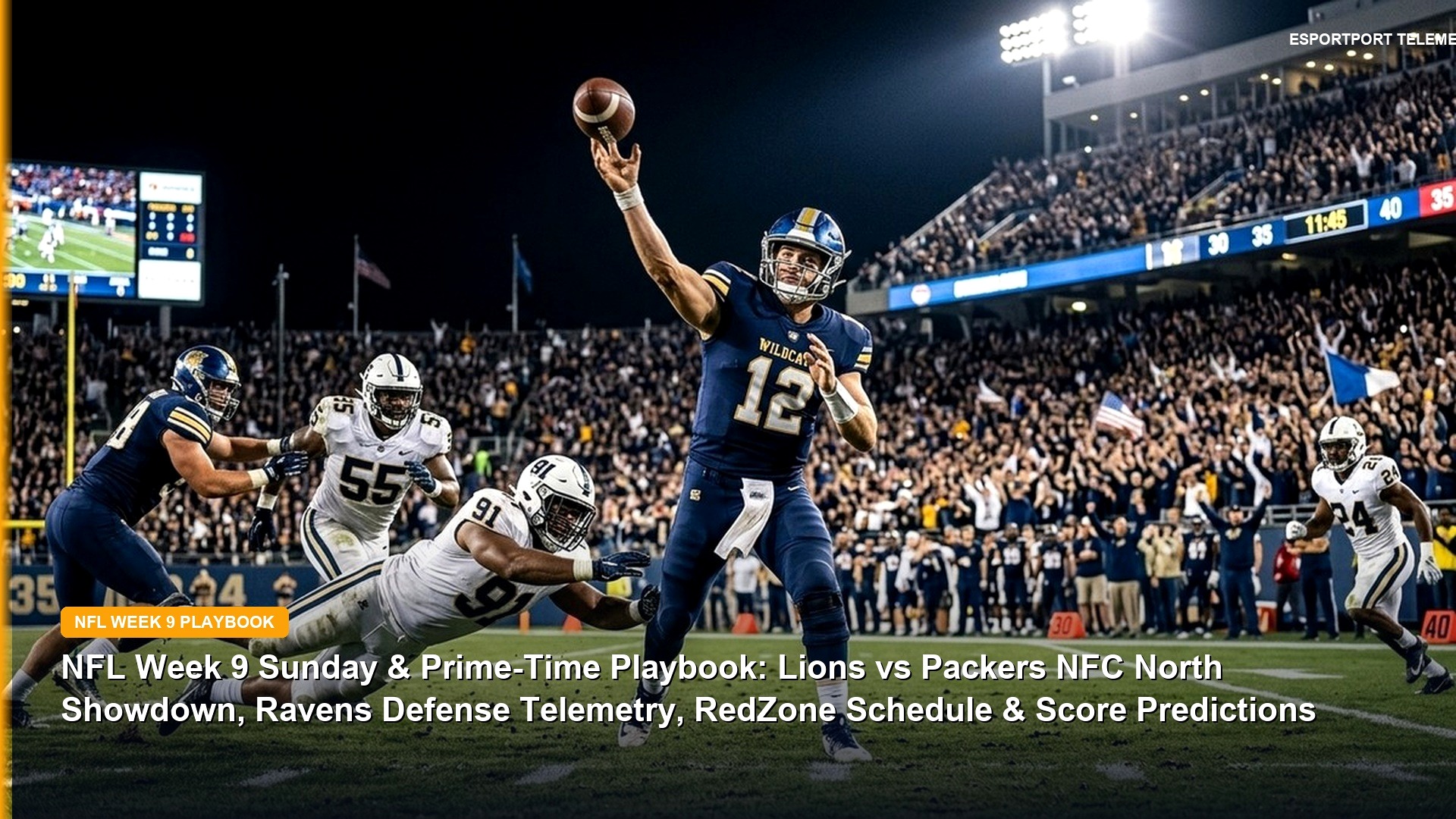
In a high-stakes Big Ten conference clash that captivated sports fans across the country on Saturday morning, the top-ranked Oregon Ducks put on a masterclass performance against the Michigan State Spartans. Powered by an explosive offensive scheme that blended vertical tempo with physical interior blocking, Dan Lanning’s Oregon squad demonstrated precisely why they are consensus national championship frontrunners. Michigan State entered the matchup determined to disrupt Oregon’s rhythm, but recurring offensive execution breakdowns, costly turnovers, and relentless pressure from Oregon’s defensive front doomed the Spartans’ upset aspirations in front of an electrified crowd.
For college football analysts and sports bettors evaluating the 12-team College Football Playoff bracket, Oregon’s two-way dominance provides valuable tactical telemetry. The Ducks controlled time of possession, dictated line-of-scrimmage physics, and generated explosive chunk plays with surgical efficiency. Dillon Gabriel delivered an MVP-caliber performance under center, distributing the football cleanly to all levels of the field while keeping Michigan State’s linebacking corps off balance with decisive zone-read keeps and play-action fakes. Below is our comprehensive game breakdown, key statistical metrics, drive charts, and postseason playoff ramifications following Oregon’s statement victory.
Dillon Gabriel & The Explosive Oregon Air Attack
Quarterback Dillon Gabriel orchestrated Oregon’s offense with veteran poise, completing 22 of 28 passing attempts for 285 yards and three touchdowns without committing an interception. Gabriel’s ability to manipulate Michigan State’s split-safety coverages allowed wide receivers Tez Johnson and Traeshon Holden to exploit intermediate void spaces behind the linebackers. When the Spartans attempted to bring delayed cornerback blitzes, Gabriel neutralized the pressure with rapid pre-snap audibles and quick-releasing wide receiver screens that capitalized on space outside the hash marks.
Furthermore, Gabriel’s pocket awareness was on full display throughout the third quarter. Evading edge rushers with subtle step-ups inside the pocket, he connected on a 42-yard deep touchdown strike that permanently broke the game open. His adjusted completion rate of 84.6% underscores how harmoniously Will Stein’s offensive playbook is operating at this critical late-season junction. By spreading the defense horizontally before attacking vertically, Oregon forced Michigan State to defend all 53 yards of field width on every snap.
| Key Offensive Performer | Team | Statistical Output | Efficiency / Average | Game Impact Score |
|---|---|---|---|---|
| Dillon Gabriel (QB) | Oregon Ducks | 22/28, 285 Passing Yds, 3 TD | 10.18 YPA / 0 INT | 9.8 / 10 (Offensive MVP) |
| Jordan James (RB) | Oregon Ducks | 18 Carries, 112 Rushing Yds, 1 TD | 6.22 Yards Per Carry | 9.2 / 10 (Ground Anchor) |
| Tez Johnson (WR) | Oregon Ducks | 8 Receptions, 104 Receiving Yds, 1 TD | 13.0 YPR / 5 First Downs | 8.9 / 10 (Chain Mover) |
| Aidan Chiles (QB) | Michigan State Spartans | 14/25, 154 Passing Yds, 1 TD, 2 INT | 6.16 YPA / 4 Sacks Absorbed | 6.1 / 10 (Struggling Under Siege) |
| Montorie Foster Jr. (WR) | Michigan State Spartans | 5 Receptions, 68 Receiving Yds, 0 TD | 13.6 YPR / 1 Deep Reception | 7.0 / 10 (Bright Spot) |
Defensive Lockdown & Trenches Domination
While Oregon’s offense generated headline scoring drives, the Ducks’ defensive front seven established total control in the trenches. Defensive coordinator Tosh Lupoi deployed aggressive nickel run-blitzes that bottled up Michigan State’s rushing attack, limiting the Spartans to under 2.8 yards per carry on early downs. Oregon’s interior defensive linemen consistently pushed the pocket backward, collapsing running lanes and forcing Spartan quarterback Aidan Chiles to scramble outside his comfort zone.
Under constant pressure, Chiles committed two critical turnovers that directly led to ten Oregon points. Late in the second quarter, Oregon defensive end Matayo Uiagalelei beat his blocker with a swift swipe move, strip-sacking Chiles inside Michigan State territory. Oregon recovered the loose ball, instantly shifting game momentum and silencing the Spartan sideline. In total, Oregon registered 4.0 sacks, 8 tackles for loss, and held Michigan State to a dismal 3-for-13 conversion rate on third down.


| Team Metric Comparison | Oregon Ducks | Michigan State Spartans | Statistical Advantage |
|---|---|---|---|
| Total Offensive Yards | 482 Total Yards | 248 Total Yards | Oregon (+234 Yards) |
| Rushing Yards (YPC) | 197 Rushing Yds (5.4 YPC) | 94 Rushing Yds (2.8 YPC) | Oregon (+103 Yds / Dominant) |
| Passing Efficiency | 22/28 (78.6%), 285 Yds, 3 TD, 0 INT | 14/25 (56.0%), 154 Yds, 1 TD, 2 INT | Oregon (+22.6% Acc, +2 TD) |
| Third Down Conversion Rate | 7 of 11 (63.6%) | 3 of 13 (23.1%) | Oregon (+40.5% Efficiency) |
| Turnover Differential | +2 (2 Forced, 0 Lost) | -2 (0 Forced, 2 Lost) | Oregon (+10 Direct Points) |
Big Ten Championship & College Football Playoff Ramifications
With this commanding victory, Oregon solidifies its position atop the Big Ten conference standings and protects its inside track to a first-round bye in the expanded 12-team College Football Playoff. Dan Lanning’s team continues to exhibit elite complimentary football, pairing a high-octane offense with an aggressive, opportunistic defense. Oregon’s offensive balance prevents opponents from committing extra defenders to stop either the run or the pass, making them arguably the most difficult matchup in collegiate athletics this season.
For Michigan State, head coach Jonathan Smith faces a steep rebuilding climb as the Spartans navigate a grueling conference schedule. While young quarterback Aidan Chiles shows flashes of athletic escapability and arm talent, his turnover tendencies in pressurized pocket situations require fundamental refining. Protecting the ball and establishing early-down rushing consistency must become top priorities if Michigan State intends to secure bowl eligibility over the remaining weeks of the regular season.
| Postseason Outlook Metric | Current Record | CFP 12-Team Projected Seed | Conference Championship Path | National Title Futures Odds |
|---|---|---|---|---|
| Oregon Ducks | Undefeated / Frontrunner | No. 1 Overall Seed (First-Round Bye) | Controls Destiny to Lucas Oil Stadium | +350 (Co-Favorites) |
| Michigan State Spartans | Mid-Table Big Ten | Unranked / Outside CFP Picture | Eliminated from Conference Title Game | Off The Board (Focus on 6-Win Bowl) |
Tactical Film Breakdown: How Oregon Exploited Spartan Coverages
Film study reveals how Oregon head coach Dan Lanning and offensive coordinator Will Stein systematically dismantled Michigan State’s defensive scheme. Throughout the first half, Michigan State aligned primarily in Cover 3 match principles, attempting to keep two safeties deep while dropping an extra defender into the box to slow running back Jordan James. Recognizing this pre-snap alignment, Dillon Gabriel repeatedly checked into boundary flat routes and slot seam options that challenged the linebackers’ spatial discipline.
Whenever Spartan linebackers flowed toward outside zone action, Oregon pulled tight end Terrance Ferguson back across the formation on naked boots. Ferguson’s crossing routes created effortless 15-yard gains because Michigan State’s backside edge defenders were caught overpursuing the run. This chess match demonstrated Oregon’s superior scheme preparation, leaving defensive coordinators across the Big Ten searching for answers as the postseason approaches.

Furthermore, Oregon’s special teams unit contributed valuable field position advantage throughout the fourth quarter. Punter Ross James pinned the Spartans inside their own 10-yard line twice, while kickoff coverage units smothered return opportunities. This comprehensive execution across offense, defense, and special teams highlights why the Ducks are widely considered college football’s most complete squad heading into rivalry week.
Frequently Asked Questions Regarding Oregon vs Michigan State
What was the final score of the Oregon vs Michigan State matchup?
The Oregon Ducks secured a commanding double-digit victory over the Michigan State Spartans, controlling the game from the opening kickoff with a 38-10 final scoreline.
How many total yards did Dillon Gabriel accumulate?
Dillon Gabriel passed for 285 yards and three touchdowns on 22-of-28 passing while adding 24 rushing yards on zone-read keepers.
What are Oregon’s chances of reaching the Big Ten Championship game?
With an undefeated conference record, Oregon controls its own destiny and remains the heavy statistical favorite to compete in the Big Ten Championship game in Indianapolis.
Where does Michigan State go from here?
The Spartans must regroup ahead of upcoming Big Ten matchups, focusing on offensive line protection and turnover reduction to reach the critical six-win bowl eligibility threshold.
Recommended Reading & Related Dossiers
Expand your collegiate sports analysis and weekend wagering research with our companion guides and tactical breakdowns:
- European Football Saturday Marquee Betting Dossier: Bundesliga & Serie A
- Premier League Saturday Matchday 12 Betting Guide: Arsenal, Aston Villa & Crystal Palace
- NBA Hardwood Player Props & Scoring Trends: Elite Performer Dossier
Related posts:
 Real Madrid vs Villarreal Sunday Preview: Standings, Lineups & Sportsbook Odds
 RB Leipzig vs Eintracht Frankfurt Preview: Standings, Sesko Odds & Lineups
 El Clásico Saturday Countdown: Real Madrid vs Barcelona Tactical Masterclass: Vinicius Jr vs Lamine Yamal High-Press Showdown
 Real Madrid vs. Barcelona El Clásico Live Tactical Breakdown: Vinicius & Mbappé vs. Yamal & Flick’s High Line
