
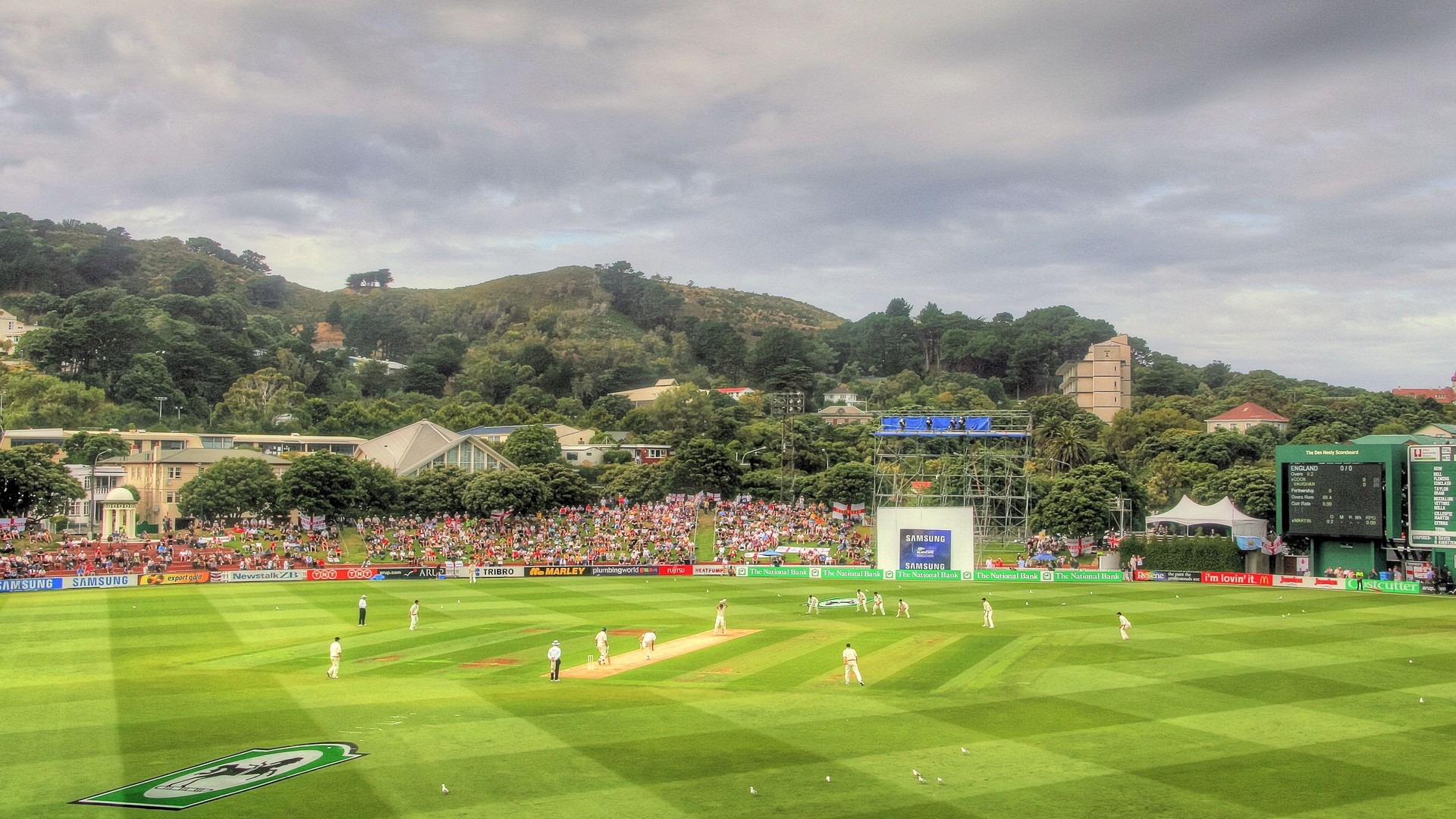
Selectors unveiled a 14-man squad led by Tom Latham for the opening New Zealand vs India Test 2026 starting November 19. Fast bowler Matt Henry and opener Devon Conway clear training concussion checks cleanly. However, seamers Ben Sears and Will O’Rourke sit out injured.
- Series Opener Details: First Test of a two-match series starts November 19, 2026 at Basin Reserve in Wellington.
- Concussion Recoveries: Matt Henry and Devon Conway rebound smoothly after a training-ground head clash.
- Returning Key Core: Tom Blundell (quadricep) and Rachin Ravindra (shoulder) push toward availability beside Kyle Jamieson.
- Fast-Bowling Gaps: Ben Sears (ankle) and Will O’Rourke drop out while Jacob Duffy, Nathan Smith, and Blair Tickner step up.
Test cricket purists are circling November 19 cleanly after selectors locked the New Zealand vs India Test 2026 squad for Basin Reserve. Welcome medical clearances steadied Wellington morale following scary practice collisions earlier. Fans following tour drama inside our India vs New Zealand ODI series roundup now see sharp five-day matchups coming.


- Basin Reserve 1st Test Dates & Two-Match Stakes
- Matt Henry & Devon Conway Bounce Back From Training Clash
- Fitness Updates on Blundell, Ravindra & Injured Quicks
- Complete 14-Man New Zealand Test Squad Breakdown
- Windy Wellington Pitch Tactics vs Indian Batting Lineup
- How Santner & Jamieson Shape Five-Day Strategy
- What India’s Top Order Faces on Morning One at Wellington
- Basin Reserve Chasing History, Weather Shifts & Five-Day Odds
- New Zealand vs India Test 2026 FAQ
Basin Reserve Hosts New Zealand vs India Test 2026 Opener Nov 19
The two-Test contest opens Thursday, November 19, 2026 inside Wellington’s classic Basin Reserve. Sweeping harbour gales, cloudy spring skies, and crisp green turf test batter patience immediately from ball one. Consequently, loose drives outside off stump vanish quickly into slip hands there.
Therefore, captain Tom Latham anchors home strategy around disciplined opening stands followed by clean lower-middle strokeplay. India’s touring lineup knows surviving day one’s moving seam holds every key to stealing momentum early. Inside a brisk two-match series, losing day-one rhythm leaves minimal recovery room.
Matt Henry & Devon Conway Clear Training Concussion Protocol
Kiwi anxiety spiked dangerously earlier when premier pacer Matt Henry and opener Devon Conway sustained concussions from a painful training head collision. Worse still, Henry simultaneously nursed cautious quadriceps soreness while ramping back into red-ball bowling volumes.
Fortunately, both senior players cleared graded medical checkpoints safely inside camp before squad naming. Watching Henry attack from the windy northern end alongside towering Kyle Jamieson restores sharp seam venom. Meanwhile, Conway’s patient left-handed poise protects middle batters against scary early shine.
Keeping red-ball anchors intact contrasts nicely against global injury headaches elsewhere. Check parallel club fitness alerts inside our international football crisis notes alongside pro basketball availability updates.

Blundell, Ravindra & Seam Absence Report
Even with Henry and Conway cleared, Kiwi medical teams continue tracking niggles across three crucial roster roles. Specifically, wicketkeeper-batter Tom Blundell arrives managing quadricep recovery cleanly. Simultaneously, local hero Rachin Ravindra watches lingering shoulder discomfort closely during intense fielding drills.
Meanwhile, New Zealand’s fast-bowling reserves absorb frustrating depth losses heading into Wellington. Express quick Ben Sears misses out with an ankle complaint while towering prospect Will O’Rourke is also absent. Selectors therefore reward reliable domestic seamers Jacob Duffy, Blair Tickner, and Nathan Smith alongside Mitchell Santner.
Complete Squad Breakdown for New Zealand vs India Test 2026
Verify every selected batter, keeper, all-rounder, and pacer across New Zealand’s 14-man Basin Reserve group cleanly below.
| Role Category | Selected Players | Current Fitness & Selection Note |
|---|---|---|
| Top-Order & Captain | Tom Latham (c), Devon Conway, Will Young, Henry Nicholls | Conway passed training concussion protocols cleanly |
| Middle-Order All-Rounders | Daryl Mitchell, Rachin Ravindra, Glenn Phillips | Ravindra managing shoulder wear cautiously |
| Wicketkeeper | Tom Blundell (wk) | Rebounding smoothly from recent quad issue |
| Spin Option | Mitchell Santner | Tight left-arm control + steady lower runs |
| Fast Bowlers | Matt Henry, Kyle Jamieson, Jacob Duffy, Nathan Smith, Blair Tickner | Henry cleared concussion/quad; Sears & O’Rourke out |
Windy Wellington Keys Against India’s Batting Depth
Disrupting a deep Indian Test batting order demands ruthless teamwork under windy Wellington clouds. Home captains cannot relax line discipline even briefly:
- Exploit fierce harbour cross-winds: Matt Henry and Kyle Jamieson curve balls inward off gusts before nipping away sharp off seams.
- Shield Rachin Ravindra’s arm cleanly: Assign brisk boundary chasing roles elsewhere while keeping Ravindra active inside slips.
- Rotate four quicks in brisk spells: Split short five-over bursts across Duffy and Smith rather than draining Henry early.
- Grab every sharp cordon catch: Fast morning carry flies waist-high where Glenn Phillips patrols gully brilliantly.
Santner & Lower-Order Runs Could Swing Tight Fourth Innings
While green pitch tinge rewards pacers through days one and two, Basin Reserve surfaces often flatten nicely by Saturday afternoon. That gradual dry-out elevates spinner Mitchell Santner into dual game-changing importance late in play.
Holding quiet two-runs-per-over discipline from one end lets exhausted seamers recharge between crucial new-ball hunts. Furthermore, Santner, Jamieson, and Nathan Smith stack gritty lower-order runs when fatigued attacks flag after tea. Cross-sport followers studying tight fifth-day spreads compare momentum swings just like in our Premier League fitness breakdowns.
What Awaits Visiting Top Batters on Morning One
Early November starts in Wellington always test visiting openers with subtle late movement after twenty minutes of sunshine. Leaving crisp fourth-stump deliveries confidently builds vital mental fatigue inside home bowling meetings.
However, pressing hard with stiff wrists triggers deadly edges racing straight toward three tall Kiwi slips. If visiting anchors reach lunch only two wickets down, afternoon scoring opens smoothly across lush grass outfields. Conversely, losing three early scalps lets New Zealand dictate relentless scoring pressure immediately.
Basin Reserve Chasing History, Weather Shifts & Five-Day Odds
Winning captains at Basin Reserve traditionally respect how sharply match rhythms evolve from day one to day five. Specifically, crisp sea wind funnels straight across the open banks throughout late morning sessions. Meanwhile, overcast Wellington skies frequently deliver passing drizzle that freshens grass cover unexpectedly. Consequently, bowling groups cherish every overhead cloud sweeping in from Cook Strait.
However, bright sun across days two and three reliably transforms Wellington turf into prime batting terrain. Therefore, patient partnerships thrive once initial lacquer fades off the cherry. Furthermore, soft balls demand creative short-leg traps and persistent stump-to-stump discipline. In addition, wicketkeeper gloves stay busy whenever uneven bounce visits afternoon cracks.
Notably, fourth-innings chases above 240 remain deeply demanding on this historic ground against confident home quicks. First, fatigued openers must survive jagged second-new-ball bursts under heavy shadows. Second, reverse swing occasionally joins the battle once rough footmarks dry along the crease. Meanwhile, aggressive middle-order stroke makers from India often accelerate fast to prevent defensive traps tightening around the bat.
Ultimately, two-Test series leave virtually zero recovery room for slow starters. Consequently, dropping even one session badly on day one risks surrendering undeniable series momentum immediately. Moreover, sharp slip catching decides narrow Test margins far more often than highlight boundaries. Finally, fans watching from India can catch crisp morning sessions neatly before dinner.
Additionally, fresh ball discipline past the sixty-over mark reveals true Test bowling character on flat third-day tracks. Specifically, tall hit-the-deck seamers extract subtle variable bounce whenever sunlight dries subtle surface fissures around lunch. Meanwhile, opposing tailenders face tense survival periods whenever reverse swing threatens leg stumps early in evening shadows. Consequently, captaincy patience around field placements prevents easy late-innings counterattacks from shifting momentum sharply.
Furthermore, both dressing rooms lean heavily on analytical fielding charts tailored closely against aggressive stroke-makers. Therefore, disciplined third-man and deep fine-leg boundaries become critical chess pieces across crisp Wellington afternoons.
Frequently Asked Questions
When and where does the New Zealand vs India Test 2026 opener begin?
The opening Test of the two-match series starts Thursday, November 19, 2026 at Basin Reserve in Wellington.
Is Matt Henry fit to bowl in Wellington against India?
Yes, Matt Henry earned selection inside the 14-man squad cleanly. He recovered smoothly from a training concussion and minor quad tightness.
Why are Ben Sears and Will O’Rourke absent from the NZ Test squad?
Seamer Ben Sears sits out with an ankle issue while Will O’Rourke is absent. Blair Tickner, Jacob Duffy, and Nathan Smith add depth.
Are Tom Blundell, Rachin Ravindra, and Devon Conway available?
Yes, all three appear inside the 14-man Basin Reserve group under Tom Latham despite Blundell and Ravindra managing recent niggles.
How challenging are fourth-innings chases at Wellington’s Basin Reserve?
Targets above 240 pose steep obstacles on fifth-day cracks. Nevertheless, teams surviving the new ball cleanly find steady boundary value.
Related posts:
 The Death of the Anchor Batsman in T20 Cricket: Why Abhishek Sharma and Travis Head’s Powerplay Carnage Made 220+ the New Normal
 ICC Women’s T20 World Cup Final: New Zealand vs South Africa Dubai Showdown and Trophy Decider
 IND vs NZ 3rd T20I Match Report: India Clinches Series 3-0, Arshdeep 4-Wicket Masterclass & Post-Match Presentation Highlights
 India vs New Zealand Sunday Cricket Telemetry Hub: Wankhede 3rd Test Day 3 Spin Pitch Report, 5th T20I Finale Standings, Arshdeep Singh World Record & Cricket 24 Hacks
