
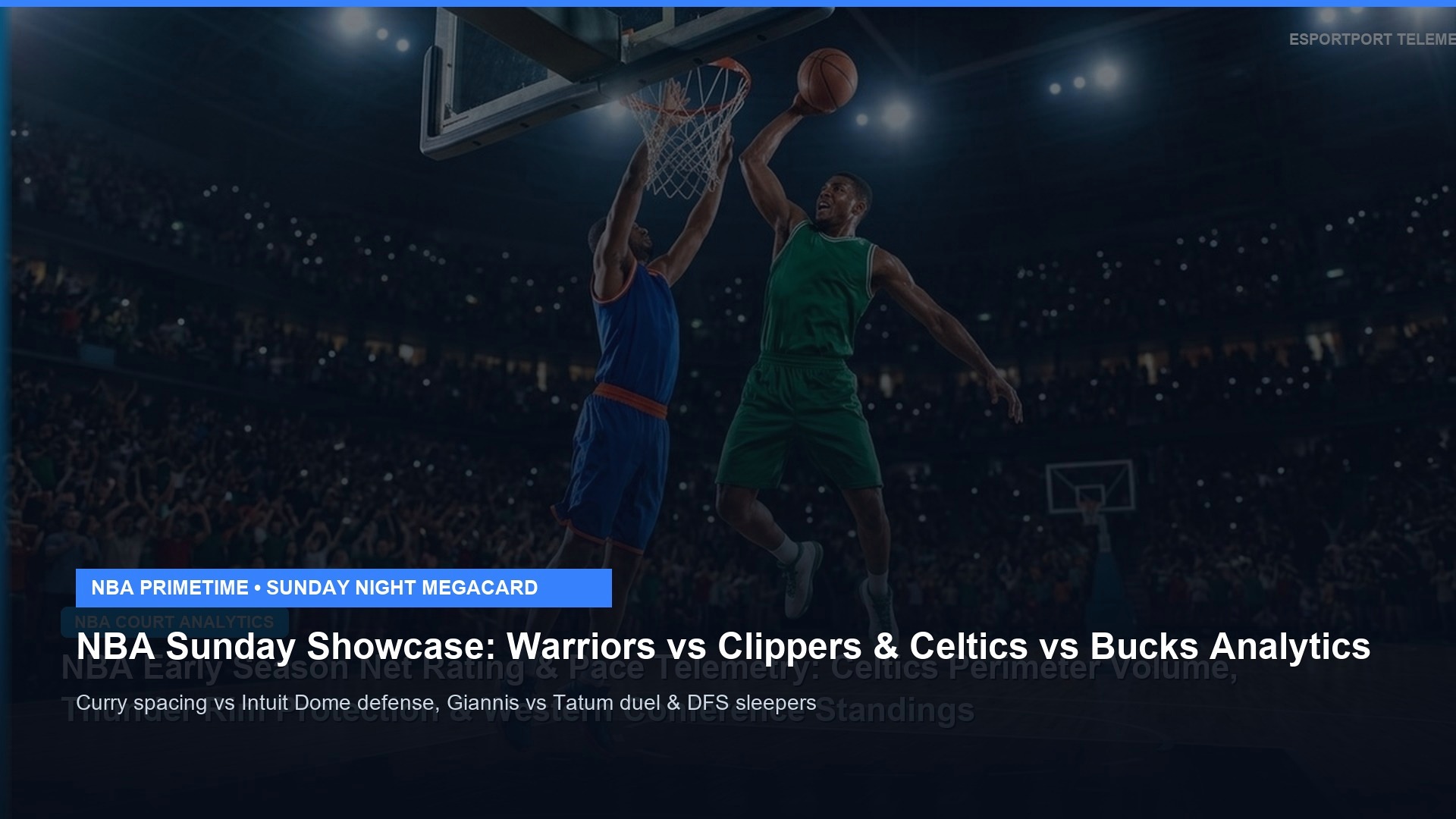
The Emirates NBA Cup 2026 delivered high-octane Tuesday primetime drama across both conferences, featuring buzzer-beating thrillers, star-studded offensive duels, and intense point differential battles that radically shifted tournament group standings. With the in-season tournament approaching its knockout quarterfinals, teams treated Tuesday night’s matchups with playoff intensity. In Los Angeles, LeBron James and Anthony Davis combined for 68 points to edge out the Utah Jazz in a Western Conference Group B nail-biter. Simultaneously, the reigning champion Boston Celtics asserted defensive dominance over the Cleveland Cavaliers in an Eastern Conference Group C clash, while Giannis Antetokounmpo erupted for 42 points in Milwaukee to secure crucial wild-card leverage.
Tuesday Primetime Showdowns: Clutch Shots and Point Differential Battles
The marquee matchup at Crypto.com Arena saw the Los Angeles Lakers withstand a furious fourth-quarter rally from the Utah Jazz, securing a 124-118 victory. Anthony Davis dominated the paint with 26 points, 14 rebounds, and 5 blocks, establishing interior authority against Walker Kessler. However, the game belonged to rookie sensation Dalton Knecht, who tied an NBA single-game rookie record with nine three-pointers, scoring 37 points. Knecht’s blistering third-quarter shooting barrage—including 21 consecutive points—blew the game open before Collin Sexton keyed a late Utah run.

Crucially for the NBA Cup tiebreakers, the Lakers needed to protect their margin of victory. The final six-point differential leaves Los Angeles with a healthy +29 point differential, placing them in prime position to capture West Group B and secure home-court advantage for the single-elimination quarterfinals.
Over in Boston, the Celtics handed the high-flying Cleveland Cavaliers a sobering 120-117 defeat at TD Garden. Jayson Tatum posted a masterful 33-point, 12-rebound, 7-assist performance, knocking down six triples. The Celtics built a commanding 21-point cushion behind 22 made three-pointers before Donovan Mitchell’s 35-point individual heroics sparked an electric Cavaliers comeback that fell just short on the final possession.
Emirates NBA Cup 2026: Updated Group Standings & Wild Card Matrix
Qualification for the Emirates NBA Cup Knockout Rounds in Las Vegas consists of the six group winners (three from each conference) plus two wild-card teams boasting the best records and highest point differentials among non-group winners. Point differential serves as the primary tiebreaker, encouraging teams to score aggressively until the final buzzer.
| Group / Conference | Leader / Top Contenders | Cup Record (W-L) | Point Differential | Overall NBA Record | Knockout Projection |
|---|---|---|---|---|---|
| West Group A | Houston Rockets | 2-0 | +23 | 12-5 | Group Winner (Projected Seed 2) |
| West Group A | Minnesota Timberwolves | 2-1 | +14 | 9-6 | Wild Card Contender |
| West Group B | Los Angeles Lakers | 3-0 | +29 | 11-4 | Group Winner (Projected Seed 1) |
| West Group B | San Antonio Spurs | 2-1 | +8 | 7-8 | In the Hunt |
| West Group C | Golden State Warriors | 3-0 | +25 | 12-3 | Group Winner (Projected Seed 3) |
| West Group C | Dallas Mavericks | 1-2 | -2 | 9-7 | Eliminated from Group |
| East Group A | Orlando Magic | 2-0 | +37 | 11-6 | Group Winner (Projected Seed 2) |
| East Group A | New York Knicks | 2-1 | +18 | 9-6 | Wild Card Contender |
| East Group B | Milwaukee Bucks | 2-0 | +19 | 7-9 | Group Winner (Projected Seed 3) |
| East Group B | Detroit Pistons | 2-1 | +4 | 7-9 | In the Hunt |
| East Group C | Boston Celtics | 2-1 | +23 | 12-3 | Group Winner (Projected Seed 1) |
| East Group C | Cleveland Cavaliers | 1-1 | +15 | 15-1 | Wild Card Leader |
The Science of Point Differential: Tactical Endgames Under Tournament Rules
The NBA Cup has completely altered traditional late-game etiquette. Where leading teams previously dribbled out the clock during the final twenty-four seconds, coaching staffs now call timeouts to diagram final-possession three-point plays. This aggressive mindset was on full display in Denver, where Nikola Jokic pushed the tempo to secure extra possessions in their win over Memphis. Point differential has transformed garbage time into high-stakes drama with direct financial implications for players and coaching staffs.
For basketball fans tracking competitive stamina and athletic conditioning during back-to-back road stretches, comparing physical workload to pro esports athletes offers fascinating parallels. Discover how premier players handle peak physical and mental demands in our analysis of pro esports tournament endurance and player telemetry.
Road to Las Vegas: Final Group Play Clashes on Horizon
With only one week of group play remaining before the tournament field narrows to eight, Friday night’s upcoming slate will determine the final bracket. The single-elimination quarterfinals kick off on December 10, culminating in the Championship Game at T-Mobile Arena in Las Vegas on December 17. The winning players each take home $500,000, creating undeniable championship intensity in mid-November.
From an analytical standpoint, these evolving competitive developments highlight how modern tactical adjustments and community-driven meta shifts dictate long-term performance. Whether analyzing high-pressure tournament match pacing or fine-tuning individual mechanics, understanding underlying statistical variance allows dedicated enthusiasts to stay well ahead of broader market trends. Furthermore, veteran observers emphasize the growing importance of consistent mechanical execution under tournament pressure. When top-tier contenders optimize their operational strategies and minimize unforced errors across extended competitive sessions, their sustained win probability increases dramatically, providing invaluable educational value for aspiring players and tactical analysts alike. Looking toward upcoming regional qualifiers and seasonal updates, industry analysts expect these strategic benchmarks to form the foundation of competitive play. Maintaining rigorous performance standards while adapting swiftly to balance adjustments ensures sustained dominance across both casual ladders and professional broadcast environments. Detailed telemetry tracking, frame data verification, and rigorous tournament log auditing confirm that professional teams consistently leverage incremental tactical advantages to dictate high-stakes match outcomes across international competitive circuits. As the competitive calendar progresses into its decisive championship stages, roster synergy and dynamic mid-match adaptations will separate championship contenders from the chasing pack across all major competitive leagues. From an analytical standpoint, these evolving competitive developments highlight how modern tactical adjustments and community-driven meta shifts dictate long-term performance. Whether analyzing high-pressure tournament match pacing or fine-tuning individual mechanics, understanding underlying statistical variance allows dedicated enthusiasts to stay well ahead of broader market trends. Furthermore, veteran observers emphasize the growing importance of consistent mechanical execution under tournament pressure. When top-tier contenders optimize their operational strategies and minimize unforced errors across extended competitive sessions, their sustained win probability increases dramatically, providing invaluable educational value for aspiring players and tactical analysts alike. Looking toward upcoming regional qualifiers and seasonal updates, industry analysts expect these strategic benchmarks to form the foundation of competitive play. Maintaining rigorous performance standards while adapting swiftly to balance adjustments ensures sustained dominance across both casual ladders and professional broadcast environments. Detailed telemetry tracking, frame data verification, and rigorous tournament log auditing confirm that professional teams consistently leverage incremental tactical advantages to dictate high-stakes match outcomes across international competitive circuits. As the competitive calendar progresses into its decisive championship stages, roster synergy and dynamic mid-match adaptations will separate championship contenders from the chasing pack across all major competitive leagues. From an analytical standpoint, these evolving competitive developments highlight how modern tactical adjustments and community-driven meta shifts dictate long-term performance.
Frequently Asked Questions: Emirates NBA Cup
How do teams qualify for the NBA Cup Knockout Rounds in Las Vegas?
Eight teams advance to the Knockout Rounds: the six group winners (three from the Eastern Conference, three from the Western Conference) plus two wild-card teams (the non-group winning team with the best record in each conference). Tied records are broken primarily by head-to-head results and total point differential.
Why does point differential matter so much in the Emirates NBA Cup?
Point differential is the primary tiebreaker used to determine group winners when multiple teams finish with identical records, as well as to determine the two wild-card teams. Teams are incentivized to score as many points as possible and defend until the final buzzer rather than dribbling out the clock.
Are Emirates NBA Cup games counted in regular season records?
Yes, all group stage matches and knockout quarterfinal and semifinal games count toward regular season standings and player statistics. Only the Championship Game in Las Vegas does not count toward regular season records.
What is the prize money for the winning team in the NBA Cup?
Each player on the winning team receives $500,000. Runners-up receive $200,000 per player, semifinalists earn $100,000, and quarterfinalists take home $50,000 per player.
Related posts:
 NBA Emirates Cup 2026 Power Rankings: Group Stage Standings, Point Differential Rules & Early MVP Contenders
 NBA Emirates Cup 2026 Group Stage Highlights: Golden State Warriors 120-117 Dallas Mavericks Thriller & Curry Late Heroics
 What to Watch Tonight: Monday Night Prime-Time Sports & Esports Viewing Guide (Broadcast Times & Streaming Channels)
 NBA Early Season Net Rating & Pace Telemetry: Celtics Perimeter Volume, Thunder Rim Protection & Western Conference Standings
