
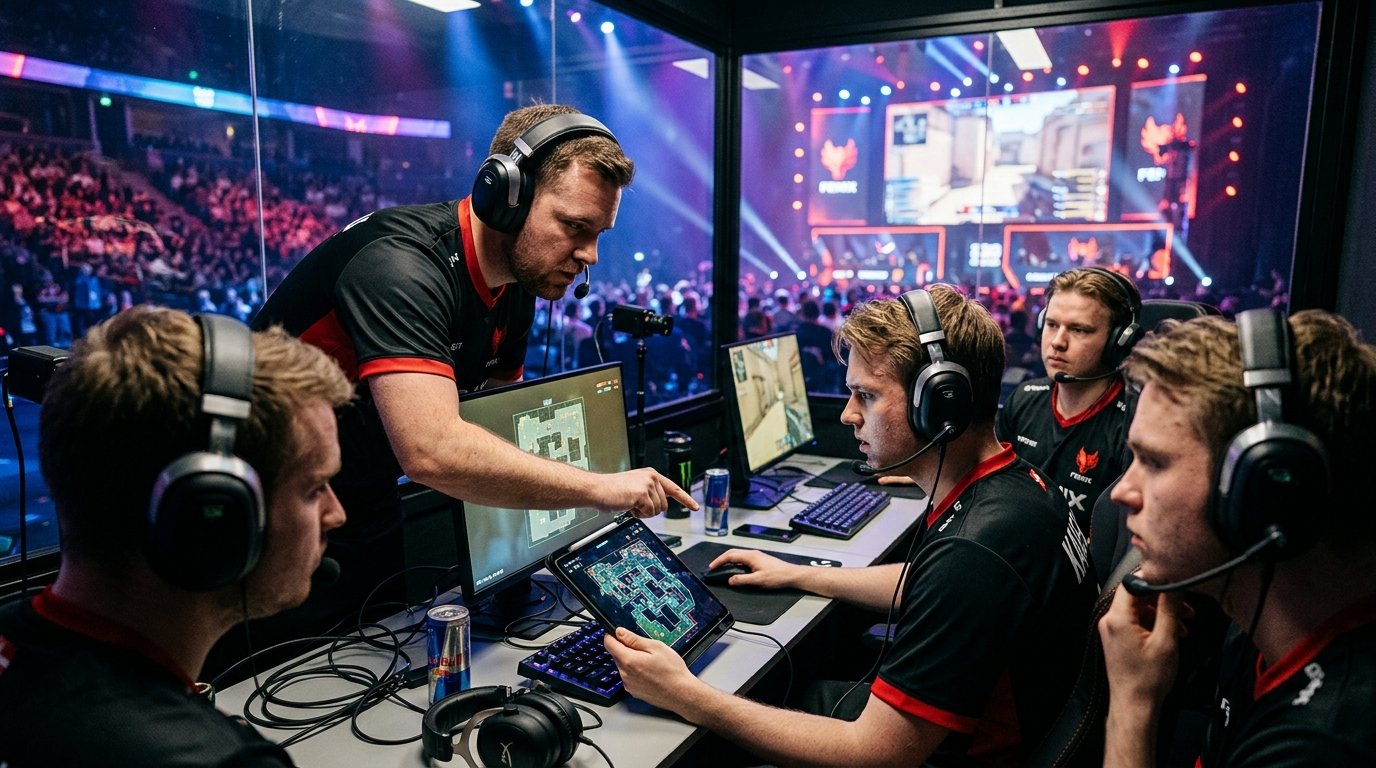
In one of the most consequential seismic shocks to Asian and Indian competitive gaming, Global Esports (GE) has officially terminated all competitive esports roster operations. Despite holding a prestigious Riot Games VCT Pacific franchised partnership, GE cited persistent operational deficits, inflated player wage expectations, and diminishing sponsor ROI as the driving catalysts. The organization will completely restructure into a gaming studio, creator management network, and white-label tournament agency. This tactical post-mortem analyzes the financial burn rate of Tier-1 franchised slots, Riot’s franchise revenue-share ecosystem, and what this departure signals for South Asian esports sustainability.
The Anatomy of an Esports Exit: Why Franchising Burned Global Esports
The announcement sent immediate shockwaves across Seoul, Tokyo, Mumbai, and Los Angeles. Global Esports—founded by Rushindra Sinha and Mohit Israney in 2017—stood as the pioneering beacon of South Asian esports ambition. When Riot Games awarded GE one of the coveted 10 partner team slots in the VCT Pacific league alongside heavyweights like Paper Rex, DRX, and Gen.G in late 2022, it was hailed as a watershed triumph for emerging market representation.
However, maintaining a world-class training facility in Seoul, South Korea, paying Tier-1 international player salaries in USD, and flying coaching infrastructure across international circuits placed immense financial strain on an organization reliant primarily on domestic Indian sponsorship revenue. While Riot Games provides partner stipends and revenue-sharing from digital VCT team capsules, the currency mismatch—spending in Korean Won and USD while monetizing in Indian Rupees—created an unsustainable operational deficit.
| Operational Metric | VCT Tier-1 Requirement | Global Esports Reality | Industry Benchmark Deficit |
|---|---|---|---|
| Annual Roster Salary Pool | $350,000 – $600,000 USD | $280,000 – $420,000 USD | High wage inflation in Seoul hub |
| Seoul HQ & Housing Facility | $12,000 – $18,000/month | $14,500/month (Gangnam lease) | Fixed capital expenditure drain |
| Digital Skin Capsule Yield | $1,000,000+ (Paper Rex/Sentinels) | $310,000 – $450,000 USD | Lower purchasing power in primary fanbase |
| Domestic Commercial Sponsorship | $500,000+ annual brand deals | FMCG & tech brands pausing spend | 68% decrease in Tier-1 non-endemic sponsorship |
The VCT Pacific Slot Question: What Happens to the Franchised License?
Under Riot Games’ partnership framework, teams do not “own” franchise slots in the traditional North American franchised model (like the Overwatch League or LCS in 2018). Instead, Riot issues long-term partnership licenses that are non-transferable without direct developer ratification. With GE relinquishing its roster operations, Riot Games faces an immediate dilemma for the upcoming 2027 competitive calendar:
- Option A: Direct Slot Re-Allocation — Reassigning the South Asian partner license to another regional heavyweight, such as Revenant Esports, GodLike, or Velocity Gaming.
- Option B: Ascension Expansion Integration — Allowing Ascension runner-ups or secondary regional qualifiers to absorb the competitive calendar berth.
- Option C: Contraction to 11 Teams — Temporarily running the VCT Pacific 2027 season with existing partner teams plus Ascension victors Sin Prisa Gaming.
For deeper tactical background on how VCT roster shuffles operate across the Pacific and Americas leagues, explore our analytical deep-dive on Valorant Americas Rostermania & Salary Rebuilds and review our breakdown of the Paper Rex VCT Pacific Playbook.
The Pivot to Studios, Content, and White-Label Infrastructure
Unlike sudden bankruptcy liquidations, Global Esports is deliberately executing a managed retreat into high-margin gaming services. The organization has retained its extensive creator roster, production studio facilities in Mumbai, and specialized event management contracts. Competitive rosters historically operate at negative EBITDA margins, whereas digital content production, brand activation agency work, and influencer talent management routinely generate operating margins between 22% and 35%.
This mirrors a broader global trend seen throughout 2025 and 2026: organizations like FaZe Clan, 100 Thieves, and Team Liquid have progressively reduced their pure esports footprints to insulate their balance sheets from player wage inflation and prize-pool volatility. For emerging-market organizations, the era of VC-subsidized competitive vanity projects is officially over. The future of sustainable gaming belongs to lean, diversified media houses that treat competitive teams as marketing expenditure rather than primary revenue drivers.
Related posts:
 Best Indian Esports Teams: Global Rankings & What to Watch
 VCT 2027 Rostermania Tracker: All Confirmed Americas & EMEA Transfers + Free Weapon Buddy Code
 LoL Worlds Quarterfinals Bracket & Match Schedule: T1 vs TES, Gen.G vs FlyQuest & Pick’em Predictions
 Dota 2 BetBoom Dacha Belgrade Standings & Meta Report: Team Falcons, Tundra Esports & Patch 7.37d Heroes