
The relationship between video game consumers and the software they purchase is undergoing the most consequential legal and structural transformation in modern entertainment history, and our exhaustive investigation into Physical Video Games Extinction Digital Preservation examines the grim reality of digital-only storefront monopolies, the erosion of digital ownership rights, and the rapid demise of physical optical media. In 2026, over 90% of all console game revenues and nearly 99% of PC game transactions are executed via closed digital ecosystems like the PlayStation Network, Xbox Store, and Steam.
The Illusion of Digital Ownership: Licenses vs Possessions
First and foremost, consumer protection advocates have sounded global alarms regarding the legal definitions governing digital video game transactions. When a customer purchases a $70 title on the PlayStation Store or Steam, they do not own the software; rather, they hold a revocable, non-exclusive license to access the software subject to the platform’s ongoing terms of service. If a publisher loses music licensing rights, shutters its central authentication servers, or bans a user account, the purchased game can vanish from the player’s library overnight with zero legal recourse.
The Retail Exodus: Best Buy, Target & GameStop
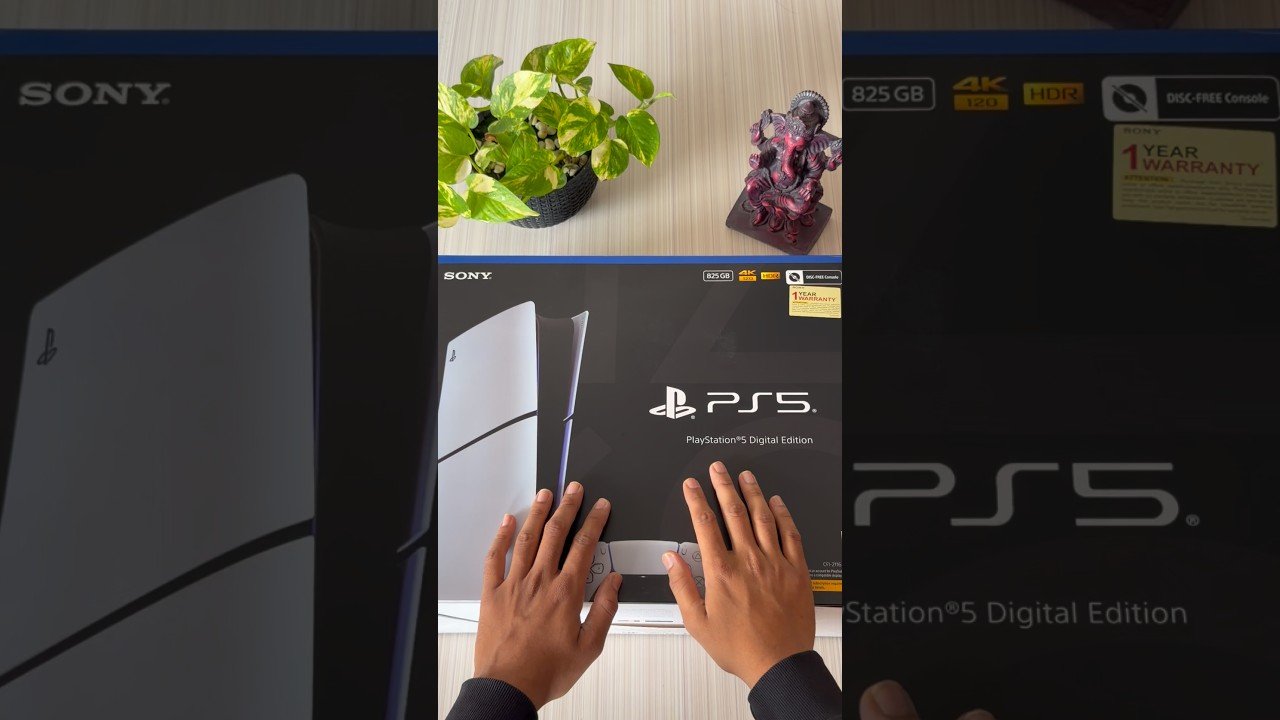
The death of physical media is not merely consumer preference; it is a calculated corporate push by hardware manufacturers and retail giants. Major big-box retailers like Best Buy and Target have drastically scaled down physical gaming floor space, reallocating shelf real estate to higher-margin consumer electronics. Simultaneously, Sony and Microsoft transitioned their flagship consoles (such as the PS5 Slim, PS5 Pro, and Xbox Series X digital editions) toward discless baseline designs, forcing consumers to pay separate $80 premiums for detachable optical drives.
By eliminating physical discs, console manufacturers eliminate manufacturing costs, shipping logistics, packaging overhead, and retail wholesale markdowns. More importantly, they permanently obliterate the used game market, ensuring that every player who experiences a game must purchase a direct digital copy where the platform holder pockets a guaranteed 30% platform toll.
The Cloud Handheld Frontier & Archival Solutions
Furthermore, the emergence of cloud gaming handhelds and portable PC gaming devices like the Steam Deck and PlayStation Portal has accelerated this digital transition. When hardware is designed exclusively around high-speed Wi-Fi and solid-state storage, physical disc slots become obsolete design relics. However, digital preservation organizations like the Video Game History Foundation warn that without legal exemptions permitting libraries to archive server-dependent games, future generations will lose access to decades of cultural interactive heritage.
- Subscription Library Shifts: Analyze how subscription libraries replace individual ownership in our Xbox Game Pass Wave 2 Lineup report.
- Cloud Latency Benchmarks: See how streaming protocols handle remote digital play in our PlayStation Portal Bitrate Fix analysis.
Preservation Verdict
In conclusion, the extinction of physical video games represents an irreversible trade-off: unmatched convenience and instant global access at the expense of true consumer ownership and cultural longevity. Supporting open-source digital preservation and consumer rights legislation remains vital to safeguarding gaming history.