
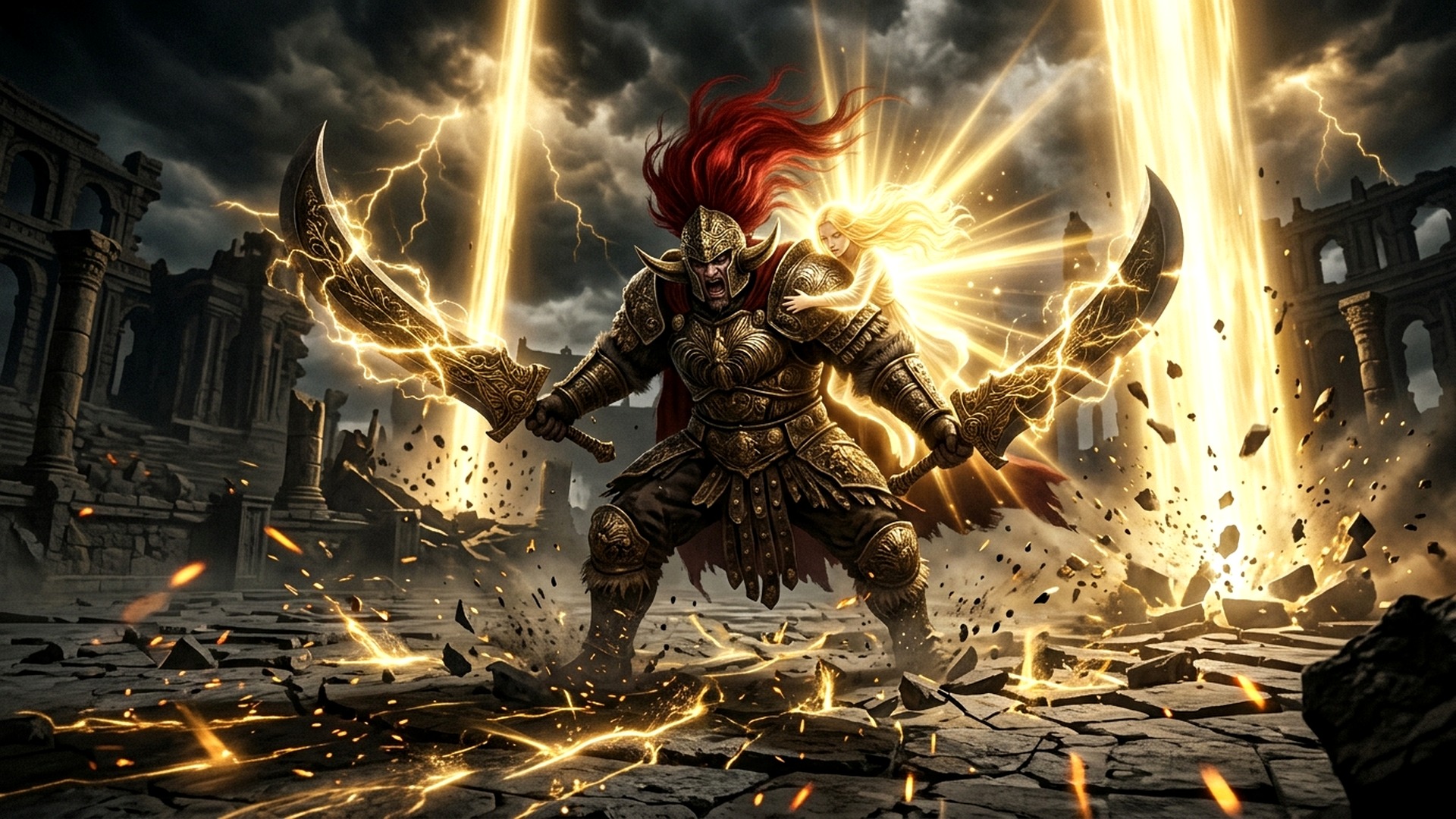
The annual announcement of nominations for The Game Awards (TGA) has ignited the most fierce, philosophically contentious debate in modern video game discourse. At the center of the storm is FromSoftware’s dark fantasy masterpiece, Elden Ring: Shadow of the Erdtree. Despite holding a staggering 94 Metacritic rating and earning universal acclaim as an artistic triumph—rivaling technical achievements explored in our Black Myth: Wukong boss combat and Unreal Engine 5 guide—its official nomination for the coveted Game of the Year (GOTY) category has divided developers, critics, and millions of gaming enthusiasts worldwide.
The controversy stems from an unprecedented, eleventh-hour update to The Game Awards’ official voting regulations. Just days before ballots were submitted to over 130 international media voting outlets, TGA host and producer Geoff Keighley clarified that downloadable content (DLC), expansions, remakes, remasters, and live-service seasons are fully eligible for every single awards category, including the prestigious Game of the Year. The ruling has sparked intense debate over what constitutes a ‘new video game’ and whether massive expansions unfairly cannibalize recognition from innovative standalone releases.
The Rule Change: Clarification or Targeted Accommodation?
While The Game Awards FAQ has long permitted remakes (such as the 2019 Resident Evil 2 remake and Final Fantasy VII Remake receiving GOTY nods in past years), the explicit inclusion of DLC expansions represents a dramatic regulatory pivot. Critics point out that in 2016, CD Projekt Red’s monumental expansion The Witcher 3: Blood and Wine was restricted to the Best Role Playing Game category, ultimately winning the award despite many arguing it was superior to that year’s GOTY winner, Overwatch.
The sudden timing of the 2026 rule clarification led many within the gaming industry to suspect that TGA organizers deliberately broadened criteria to accommodate Shadow of the Erdtree. Because 2026 lacked a solitary, runaway consensus blockbuster on the scale of 2022’s Elden Ring or 2023’s Baldur’s Gate 3, including Erdtree guarantees mainstream viewership and star power. However, it raises profound ethical questions regarding whether an add-on requiring an existing $60 base game to function should compete against standalone creative endeavors.
| Game of the Year Nominee (2026) | Development Studio / Publisher | Metacritic Score & Status | Release Scope & Core Category | Community Sentiment & GOTY Debate |
|---|---|---|---|---|
| Elden Ring: Shadow of the Erdtree | FromSoftware / Bandai Namco | 94 Metascore (Universal Acclaim) | $40 Expansion (Requires Base Game) | Controversial eligibility; unparalleled scale & bosses |
| Astro Bot | Team ASOBI / Sony Interactive | 94 Metascore (Universal Acclaim) | Full Standalone 3D Platformer | Beloved pure gaming joy; favorite for GOTY win |
| Final Fantasy VII Rebirth | Square Enix | 92 Metascore (Universal Acclaim) | Massive Standalone Sequel | Epic open-world scope; strong critical momentum |
| Metaphor: ReFantazio | Studio Zero / Atlus | 93 Metascore (Universal Acclaim) | Brand-New Standalone Turn-Based JRPG | Original IP masterpiece; fears being overshadowed by DLC |
| Black Myth: Wukong | Game Science | 81 Metascore (Record Player Count) | Debut AAA Action RPG | Massive global cultural phenomenon; huge player base |
| Balatro | LocalThunk / Playstack | 90 Metascore (Indie Triumph) | Solo-Developer Roguelike Deckbuilder | Pure mechanical genius; risk of being crowded out |
The Scope Defense: Why Shadow of the Erdtree Exceeds Full Games
Defenders of FromSoftware’s nomination argue that judging artistic and interactive achievement based on technical software distribution models is fundamentally outdated. Directed by visionary auteur Hidetaka Miyazaki, Shadow of the Erdtree is not a meager cosmetic pack or brief five-hour mission chain. Spanning the sprawling, vertically interconnected Realm of Shadow, the expansion provides between 40 and 60 hours of deeply challenging gameplay.
The expansion introduces over 40 brand-new boss encounters (culminating in the legendary duel against Promised Consort Radahn), eight completely new weapon archetypes (including martial arts hand-to-hand combat and throwing daggers), over 100 new weapons and spells, and complex environmental design that rivals or surpasses the base Elden Ring. In terms of development budget, asset creation, narrative complexity, and mechanical depth, Shadow of the Erdtree dwarfs the vast majority of standalone AAA releases produced across the entire industry.
The Indie and Original IP Backlash: The Gatekeeping Dilemma
Conversely, independent developers and advocates for new intellectual property express justified concern that allowing expansions to contest Game of the Year creates an un-level playing field that permanently marginalizes creative risk-taking. Original games like Studio Zero’s Metaphor: ReFantazio, Team ASOBI’s Astro Bot, or LocalThunk’s solo-developed sensation Balatro must build their game engines, character identities, artistic aesthetics, and player bases from zero.
A DLC like Shadow of the Erdtree benefits from an established, multi-million-dollar software foundation: it inherits Elden Ring’s world-class physics engine, combat animations, player progression systems, and a built-in audience of over 25 million existing players. If expansions are routinely permitted into the premier category, future Game of the Year ballots risk becoming perennial re-runs dominated by the latest updates to massive legacy franchises like Grand Theft Auto, World of Warcraft, or Cyberpunk, crowding out the breakthrough original titles that drive medium innovation.

The Voting Jury Dynamics and Historical Precedents
The Game Awards’ winners are determined by a weighted voting system: 90% of the vote stems from an international jury of over 130 media outlets and specialized critics, with a 10% weight allocated to global public fan voting. Historically, critical juries demonstrate intense reverence for FromSoftware’s uncompromising design philosophies, having crowned Sekiro: Shadows Die Twice in 2019 and Elden Ring in 2022.
However, early polling among jury members reveals a pronounced split. Many critics who awarded Shadow of the Erdtree 10/10 review scores have stated on editorial podcasts that they will cast their final GOTY ballot for standalone titles like Astro Bot or Final Fantasy VII Rebirth to preserve the sanctity of the main award. Regardless of whether Malenia and Miquella’s dark odyssey claims the ultimate statuette on December 12 at the Peacock Theater in Los Angeles, the debate has permanently altered the taxonomy of video game awards recognition.
Player Leveling: Scadutree Blessings and the Standalone Progression Paradigm
A compelling technical argument advanced by proponents of Shadow of the Erdtree’s standalone eligibility is its revolutionary character progression system. Recognizing that players entering the expansion would possess wildly divergent character levels (ranging from level 120 to over-leveled 300+ builds), FromSoftware introduced the Scadutree Blessing and Revered Spirit Ash leveling mechanics.
Inside the Land of Shadow, traditional character attributes (Vigor, Strength, Dexterity) suffer severe diminishing returns against high-damage endgame bosses like Messmer the Impaler and Commander Gaius. Instead, survivability and offensive damage are governed exclusively by collecting Scadutree Fragments scattered across the new map. This effectively resets player progression to zero, creating a bespoke, self-contained RPG leveling loop that functions independently from the base game’s progression systems.
The Precedent Horizon: Future Ramifications for Cyberpunk, GTA, and Beyond
The broader implications of The Game Awards’ regulatory change extend far beyond FromSoftware. By formally validating expansions as legitimate contenders for the medium’s highest honor, Geoff Keighley has fundamentally altered how publishers and development studios plan post-launch content investment.
Major studios can now justify investing multi-year AAA development budgets into colossal post-release expansions—such as CD Projekt Red’s future Cyberpunk projects or Rockstar Games’ post-launch Grand Theft Auto VI story chapters—with the explicit knowledge that premium narrative expansions can compete on equal footing for global Game of the Year honors. While purists continue to argue that standalone intellectual property deserves exclusive sanctuary, the convergence of live services, sprawling expansions, and interactive entertainment has created a brand-new awards ecosystem where sheer artistic magnitude reigns supreme.
Frequently Asked Questions Regarding Elden Ring Shadow of the Erdtree GOTY
Is Elden Ring Shadow of the Erdtree officially nominated for Game of the Year?
Yes, The Game Awards officially nominated Elden Ring: Shadow of the Erdtree for Game of the Year 2026, marking the first time a DLC expansion has competed in the premier category.
What did The Game Awards change regarding eligibility rules?
TGA updated its FAQ rules to explicitly state that expansions, DLC, remakes, remasters, and new seasonal content are eligible for all categories if the creative and technical work warrants it.
Why are some gamers and developers unhappy about the nomination?
Critics argue that expansions require an existing base game and unfairly crowd out brand-new standalone intellectual properties and indie games that had to build everything from scratch.
What other games are nominated alongside Shadow of the Erdtree for GOTY 2026?
The 2026 GOTY nominees include Astro Bot, Final Fantasy VII Rebirth, Metaphor: ReFantazio, Black Myth: Wukong, and the indie roguelike sensation Balatro.
Related posts:
 Phantom Blade Zero (‘Kungfupunk’ Action RPG) Complete Launch & Optimization Guide: 720,000 Steam Concurrent Players Record, Donnie Yen Choreography, 66-Day Story & PS5/PC UE5 Settings
 UK & Europe Saturday Gaming Playbook: EA Sports FC 25 Premier League Matchday 10 Live Evolutions, 4-2-1-3 Counter Tactics & CS2 Frankfurt Server Ping Hacks
 Call of Duty Warzone Nov 12 Patch Analysis: Smoke Aim-Assist Removal & Black Ops 7 M10 Breacher Meta Breakdown
 Assassin’s Creed Shadows Gameplay Overhaul: Yasuke & Naoe Dual Combat, Stealth Physics & Dynamic Season Systems
