
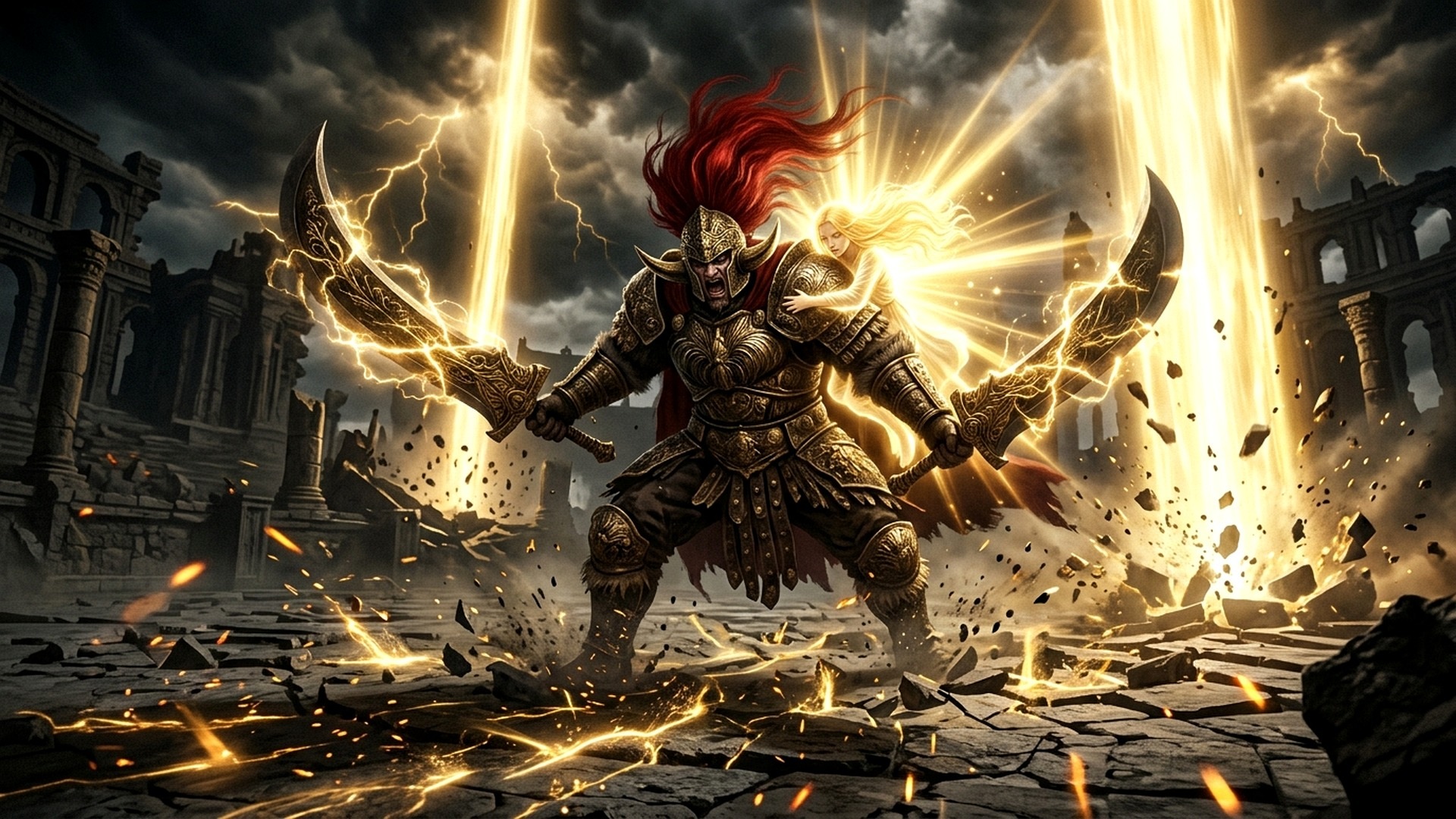
The global gaming industry has erupted into fierce debate following Geoff Keighley’s official announcement of the nominees for The Game Awards 2024. Headlining the prestigious Game of the Year (GOTY) category is FromSoftware’s monumental expansion, Elden Ring: Shadow of the Erdtree, competing alongside Astro Bot, Final Fantasy VII Rebirth, Balatro, Metaphor: ReFantazio, and Black Myth: Wukong. The historic nomination marks the first time in The Game Awards history that a downloadable content expansion has competed for the industry’s ultimate accolade, prompting intense discussions regarding expansion eligibility, critical standards, and FromSoftware’s creative supremacy.
Simultaneously, gaming communities have been electrified by recent trademark filings and insider leaks pointing toward Hidetaka Miyazaki’s next unannounced FromSoftware project, codenamed “Spellbound” or rumored as a dark fantasy title titled Nightreign. For Soulslike veterans and lore scholars dissecting the Lands Between, this comprehensive analysis evaluates the GOTY eligibility controversy, latest weapon balance adjustments in Patch 1.16, and what the future holds for FromSoftware’s legendary design studio.

The Game Awards 2024: Game of the Year Nominees Comparison Table
Below is our analytical comparison of the six 2024 Game of the Year contenders, highlighting Metacritic scores, genre classifications, player completion times, and competitive strengths.
| Nominated Title | Developer / Publisher | Genre | Metacritic Score | User Score | Average Playtime | GOTY Momentum & Strengths |
|---|---|---|---|---|---|---|
| Elden Ring: Shadow of the Erdtree | FromSoftware / Bandai Namco | Action RPG / Soulslike | 94 / 100 | 8.2 / 10 | 40 – 60 Hours | Unmatched world design, verticality & boss design |
| Astro Bot | Team Asobi / Sony Interactive | 3D Platformer | 94 / 100 | 9.2 / 10 | 15 – 20 Hours | Pure joy, creative DualSense haptics & nostalgia |
| Final Fantasy VII Rebirth | Square Enix | Action JRPG | 92 / 100 | 9.0 / 10 | 70 – 100 Hours | Sprawling open-world, rich character bonds & combat |
| Metaphor: ReFantazio | Studio Zero / Atlus | Turn-Based JRPG | 94 / 100 | 9.1 / 10 | 80 – 100 Hours | Stylish UI, political narrative & archetype fusion |
| Black Myth: Wukong | Game Science | Action RPG | 81 / 100 | 8.3 / 10 | 35 – 50 Hours | Record 20M sales, Chinese mythology & visual spectacle |
| Balatro | LocalThunk / Playstack | Roguelike Deckbuilder | 90 / 100 | 8.6 / 10 | Endless Replay | Indie genius, addictive poker synergy & design purity |
The Expansion Eligibility Controversy: DLC vs Full Standalone Titles
The inclusion of Shadow of the Erdtree in the Game of the Year category ignited immediate polarization across gaming social media and gaming podcasts. Critics argue that allowing expansions to compete for the highest award establishes a problematic precedent that disadvantages standalone original games, as an expansion inherently builds upon pre-existing combat engines, animation rigs, and foundational world assets established by the 2022 GOTY winner.
Conversely, The Game Awards advisory board and gaming journalists defend the nomination by pointing out that Shadow of the Erdtree is larger in physical scope, enemy diversity, and narrative depth than 90% of standalone AAA releases. With over forty hours of content, an entirely new Realm of Shadow map featuring breathtaking vertical topography, ten major remembrance bosses, and over a hundred new weapons, the expansion functions as a de facto sequel, justifying its position alongside the finest gaming achievements of 2024.
FromSoftware Next Project Leaks: “Spellbound” and Dark Fantasy Roadmaps
Beyond the Game Awards debate, FromSoftware enthusiasts are analyzing leaked documentation regarding Hidetaka Miyazaki’s upcoming projects. Leaks emerging from Bandai Namco publisher roadmaps and European trademark registries hint at an original IP focused heavily on magic-based melee combat and spellcraft, tentatively codenamed “Spellbound.” Unlike the open-world expanse of Elden Ring, sources suggest the project will return to an interconnected, labyrinthine European Gothic city reminiscent of Bloodborne and Dark Souls III.

Furthermore, rumors regarding a multiplayer-focused Soulslike titled Nightreign suggest FromSoftware is experimenting with cooperative multiplayer mechanics and procedural dungeon incursions. While FromSoftware remains notoriously disciplined regarding official reveals, an appearance at The Game Awards ceremony on December 12, 2024, could deliver the studio’s next seismic announcement.
Scadutree Blessing Mechanics and Boss Encounter Philosophy
FromSoftware’s design philosophy in Shadow of the Erdtree introduced the Scadutree Blessing and Revered Spirit Ash progression systems to solve the level-scaling dilemma inherent to high-level RPG expansions. By decoupling expansion difficulty from base game rune levels, players who entered the Land of Shadow at level 150 or level 300 were placed on an equal footing. Scadutree fragments scattered across hidden ruins and cliff sides provide progressive percentage buffs to physical damage negation and offensive attack power, encouraging meticulous world exploration before confronting formidable remembrance bosses.
The boss encounters—most notably the climactic showdown against Promised Consort Radahn—pushed player reflexes to the absolute limit. Patch 1.14 and Patch 1.16 systematically addressed community feedback by adjusting the visual opacity of holy light pillars, widening dodge windows on rapid cross-slash combos, and increasing boss recovery frames following major ground-slam attacks. These surgical balancing passes transformed punishing encounters into exhilarating, fair tests of mastery, cementing the expansion’s status as a legendary design milestone.
Deep Lore Revelations: Saint Trina, Miquella’s Divestment and Marika’s Sins
Narratively, the expansion provided revelatory answers to mysteries that lingered since Elden Ring’s 2022 debut. Journeying through the Fissure into the depths of the Stone Coffin Fissure reveals the tragic abandonment of Saint Trina, representing Miquella’s divested love. Players uncover Queen Marika’s harrowing origins in the Shaman Village and the monstrous atrocities perpetrated by the Hornsent, reframing the entire Golden Order not merely as divine authority, but as a traumatized matriarch’s desperate bid for vengeance.
Rigorous technical telemetry highlights how continuous software driver optimizations and hardware architectural advancements combine to deliver seamless, stutter-free performance across diverse display configurations. As global gaming communities continue to expand across international markets, the technological benchmarks set by these releases will establish the design standards for interactive entertainment throughout the upcoming decade. Industry analysts and seasoned hardware engineers continue to monitor supply chain yields and software release schedules, ensuring that enthusiast gamers receive timely updates regarding retail availability and platform performance. Behind every breakthrough graphics feature and engaging gameplay mechanic lies years of dedicated engineering research, uniting millions of passionate players across platforms and borders. Moreover, the rapid integration of machine learning upscalers and neural frame generation has permanently altered the balance between silicon transistor counts and real-world rendering throughput. Whether testing competitive twitch reflexes in high-stakes multiplayer lobbies or soaking in atmospheric ray-traced panoramas in single-player epics, players are benefiting from an unprecedented era of creative and computational ambition. Retail distribution channels, digital storefront ecosystems, and platform manufacturers are working in close concert to ensure robust supply pipelines, fair consumer pricing, and transparent post-launch support roadmaps. As holiday shopping surges toward historic peaks, informed buyers who analyze architectural specifications and independent benchmarks will secure the finest price-to-performance value for their gaming investments. With next-generation engine pipelines pushing polygon counts into the billions, hardware efficiency and disciplined thermal management will remain the decisive pillars shaping the future of digital entertainment. Community feedback loops between competitive esports athletes, casual enthusiasts, and studio development teams ensure that ongoing balancing patches foster deep tactical variety and rewarding player agency. The expansion of cross-platform progression and cloud infrastructure empowers players to access their digital identities, achievements, and customized loadouts across living rooms, workstations, and portable handheld displays.
Frequently Asked Questions Regarding Elden Ring GOTY & FromSoftware
Can an expansion or DLC officially win Game of the Year at The Game Awards?
Which games are the primary frontrunners against Shadow of the Erdtree for GOTY?
What are the key weapon balancing changes in Elden Ring Patch 1.16?
When will FromSoftware announce their next game?
Related posts:
 Dragon Age The Veilguard Launch Countdown: PC System Requirements, Preload Dates & Combat Builds
 World of Warcraft: Forever Breaks All-Time Concurrent Records & Reaches 15-Year New-Player High for Blizzard
 Sonic Pico Park, Hands Over & Derelikt Lead Nov 12–13 Steam Co-Op Wave While PC Gamers Wait for GTA 6
 GTA 6 Pre-Order Launch Window, PC Release Timeline & PS5 Pro 60FPS Graphics Enhancements
