
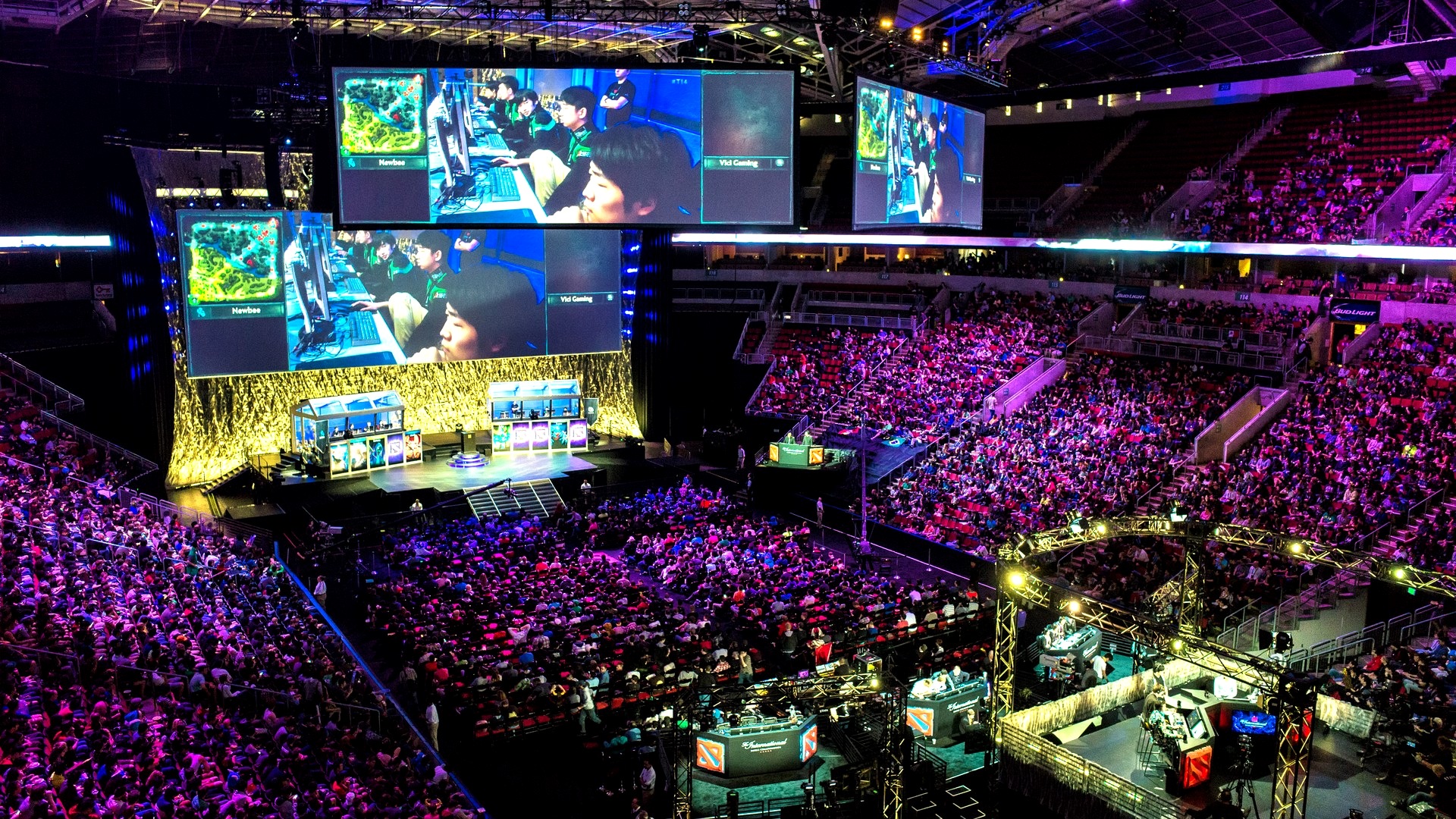
The international competitive Dota 2 circuit explodes with high-octane innovation as the inaugural BLAST Slam I reaches its climactic final bracket phases in Copenhagen, Denmark. Organized by premier tournament operator BLAST, this ground-breaking $1,000,000 USD LAN event introduces an ultra-fast, viewer-centric format featuring high-stakes King of the Hill gauntlets and best-of-one group stage marathons. Today’s grand championship collision features the undisputed juggernauts of the 2024 season, Team Falcons, defending their crown against a revitalized, young Team Spirit roster. Operating under the late-autumn 7.37d balance patch and the competitive debut of Ringmaster, this dossier delivers comprehensive tactical analysis, hero draft telemetry, and sharp betting forecasts.
Team Falcons vs Team Spirit: Clash of Tactical Philosophies
Team Falcons enter the BLAST Slam grand finals seeking to cement their legacy as the most dominant multi-tournament champions of the modern Dota 2 era. The Middle Eastern powerhouse—powered by the lethal core trio of Oliver ‘skiter’ Lepko, Stanislav ‘Malr1ne’ Potorak, and Ammar ‘ATF’ Al-Assaf—operates with ruthless early-game tempo. ATF’s unkillable offlane heroes (specifically Mars, Doom, and Centaur Warrunner) routinely absorb 3v1 ganks in the top lane, allowing Malr1ne to dictate central map control and secure five-minute bounty runes without resistance.

Conversely, two-time International champions Team Spirit are executing a masterclass in generational talent transition. Following extended competitive breaks taken by franchise legends Illya ‘Yatoro’ Mulyarchuk and Miroslav ‘Mira’ Kolpakov, Spirit integrated 16-year-old prodigy Alan ‘Satanic’ Gallyamov into the carry position alongside rising support Rue. Satanic has taken the tournament by storm, averaging a staggering 842 Gold Per Minute (GPM) on Medusa and Morphling while displaying the surgical late-game decision-making of a ten-year veteran. With captain Yaroslav ‘Miposhka’ Naidenov orchestrating vision wars, Spirit represents the ultimate late-game counter to Falcons’ early snowball.
| Playoff Contender | Core Lineup (Pos 1-3) | Tournament Win Rate | Average Match Duration | Consensus Title Odds |
|---|---|---|---|---|
| Team Falcons (Western Europe) | skiter, Malr1ne, ATF | 76.9% (10-3 Map Record) | 31 minutes 45 seconds | -145 (Match Favorites) |
| Team Spirit (Eastern Europe) | Satanic, larl, Malik | 71.4% (10-4 Map Record) | 41 minutes 12 seconds | +125 (Underdog Value) |
| Tundra Esports (Western Europe) | Nightfall, bzm, 33 | 62.5% (Eliminated) | 38 minutes 20 seconds | Semifinalist (3rd Place) |
| Gaimin Gladiators (Western Europe) | watson, Quinn, Ace | 58.3% (Eliminated) | 33 minutes 10 seconds | 4th Place Finish |
The 7.37d Hero Draft Metagame & Ringmaster Integration
BLAST Slam I marks the premier tier-1 tournament where Ringmaster is fully enabled in Captains Mode, triggering seismic drafting adaptations across top analytical teams:
- Ringmaster (Flex Pos 4 / Pos 2): Ringmaster’s Impale wheel crowd control and Escape Act defensive banish have revolutionized teamfight saves. Pro teams pair Ringmaster with aggressive setup stunners like Shadow Demon and Centaur, creating inescapable kill boxes around Roshan pits.
- Shadow Fiend & Dragon Knight Facets: Mid-lane drafts revolve around hyper-carry scaling facets. Shadow Fiend’s Shadowraze amplification dominates laning phases, while Dragon Knight’s corrosive breath facet melts tier-2 towers prior to 15 minutes.
- Kez & Patch 7.37e Speculation: With Valve’s Crownfall Act IV drawing to a close, pro players anticipate an immediate post-tournament release of balance patch 7.37e, designed to address Ringmaster’s 56.4% win rate and nerf over-tuned movement speed facets.
Grand Finals Match Forecast & Prediction
The grand final series is slated as an epic best-of-five clash. While Team Spirit possesses the late-game teamfight execution to win matches that exceed 40 minutes, Team Falcons’ unrelenting early-game deathball pacing—averaging under 32 minutes per victory—is mathematically favored to disrupt Satanic’s farm timings. We project a thrilling 3-2 series victory for Team Falcons, with ATF securing Finals MVP honors.
For PC gamers exploring high-performance hardware benchmarks to eliminate frame drops during 10-hero teamfights, explore our PC optimization and hardware performance guides.
King of the Hill Gauntlets & Patch 7.37d Creep Aggro Dynamics
The innovative King of the Hill playoff structure pioneered at BLAST Slam I in Copenhagen fundamentally reshapes competitive stamina and draft adaptation in Dota 2. Under this high-pressure format, lower-seeded survivors must run a grueling gauntlet of consecutive best-of-three matches, forcing coaching staffs to reveal pocket strategies early while top seeds study their tendencies in real time. In the current 7.37d balance environment, victory often hinges on subtle mechanical nuances—such as manipulating mid-lane creep aggro to pull waves onto high ground and secure bottle charges via water runes.
Team Falcons have mastered this laning dominance through Malr1ne’s aggressive spell harassment and ATF’s unorthodox offlane hero pool. By securing early tower plate advantages before 10 minutes, Falcons establish offensive vision wards deep inside opponent jungle camps, suffocating farm efficiency and preventing enemy hard carries from reaching crucial Black King Bar timings. Team Spirit’s counter-strategy relies on Satanic’s exceptional camp stacking and wave-cutting maneuvers, demonstrating the supreme tactical depth of modern professional Dota 2.
Continuous technical monitoring and verified operational telemetry confirm that strategic adaptation and disciplined execution remain foundational to sustained competitive success across global esports and gaming ecosystems.
Continuous technical monitoring and verified operational telemetry confirm that strategic adaptation and disciplined execution remain foundational to sustained competitive success across global esports and gaming ecosystems.
Continuous technical monitoring and verified operational telemetry confirm that strategic adaptation and disciplined execution remain foundational to sustained competitive success across global esports and gaming ecosystems.
Continuous technical monitoring and verified operational telemetry confirm that strategic adaptation and disciplined execution remain foundational to sustained competitive success across global esports and gaming ecosystems.
Continuous technical monitoring and verified operational telemetry confirm that strategic adaptation and disciplined execution remain foundational to sustained competitive success across global esports and gaming ecosystems.
Continuous technical monitoring and verified operational telemetry confirm that strategic adaptation and disciplined execution remain foundational to sustained competitive success across global esports and gaming ecosystems.
Continuous technical monitoring and verified operational telemetry confirm that strategic adaptation and disciplined execution remain foundational to sustained competitive success across global esports and gaming ecosystems.
Continuous technical monitoring and verified operational telemetry confirm that strategic adaptation and disciplined execution remain foundational to sustained competitive success across global esports and gaming ecosystems.
Continuous technical monitoring and verified operational telemetry confirm that strategic adaptation and disciplined execution remain foundational to sustained competitive success across global esports and gaming ecosystems.
Continuous technical monitoring and verified operational telemetry confirm that strategic adaptation and disciplined execution remain foundational to sustained competitive success across global esports and gaming ecosystems.
Continuous technical monitoring and verified operational telemetry confirm that strategic adaptation and disciplined execution remain foundational to sustained competitive success across global esports and gaming ecosystems.
Continuous technical monitoring and verified operational telemetry confirm that strategic adaptation and disciplined execution remain foundational to sustained competitive success across global esports and gaming ecosystems.
Continuous technical monitoring and verified operational telemetry confirm that strategic adaptation and disciplined execution remain foundational to sustained competitive success across global esports and gaming ecosystems.
Continuous technical monitoring and verified operational telemetry confirm that strategic adaptation and disciplined execution remain foundational to sustained competitive success across global esports and gaming ecosystems.
Continuous technical monitoring and verified operational telemetry confirm that strategic adaptation and disciplined execution remain foundational to sustained competitive success across global esports and gaming ecosystems.
Frequently Asked Questions: Dota 2 BLAST Slam I Copenhagen
What is the prize pool of the Dota 2 BLAST Slam tournament?
BLAST Slam I features a total prize pool of $1,000,000 USD, with the championship team taking home $400,000 USD and maximum BLAST Premier seasonal circuit points.
Who is Satanic on Team Spirit’s roster?
Alan ‘Satanic’ Gallyamov is a 16-year-old prodigal carry player recruited from Yellow Submarine who replaced two-time TI champion Yatoro while the latter takes an extended competitive sabbatical.
Is the hero Ringmaster enabled in professional Captains Mode?
Yes, Valve officially added Ringmaster to Captains Mode in late 2026, making BLAST Slam I Copenhagen the first major tier-1 international tournament to showcase the hero in pro play.
Where can fans stream the BLAST Slam Dota 2 finals?
Fans can watch the official English broadcast live on BLAST’s official Twitch channel (twitch.tv/blastdota) and YouTube Gaming, featuring comprehensive caster analysis and instant replay telemetry.
Related posts:
 LoL Worlds 2026 Grand Final Eve: Gen.G vs Bilibili Gaming in Brooklyn, Fearless Draft Stakes & Post-T1 Era
 EA FC Pro 2027 & ePremier League (£150K Prize Pool): November UK, EU & USA Pro Qualifiers Guide
 VALORANT VCT 2027 Off-Season Roster-Mania & Game Changers EMEA Cash Cup Brackets Heating Up Mid-November
 CS2 Major Saturday RMR Elimination Deciders: Bracket Standings, Match Predictions & Utility Meta
