
ODI Series Decider Telemetry: Optus Stadium Perth Pitch & Pace Warfare
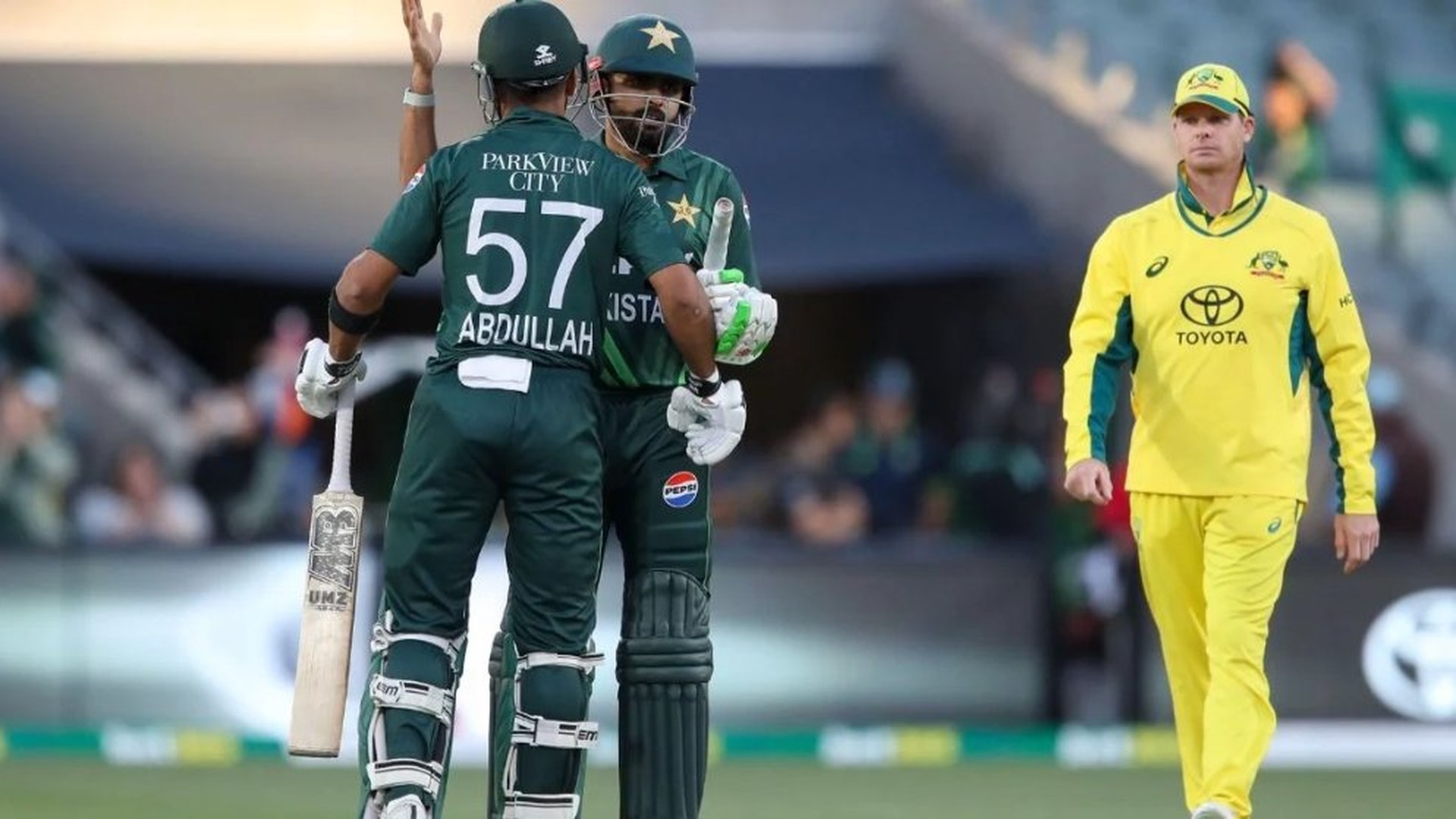
The three-match ODI series between Australia and Pakistan culminates in an explosive winner-takes-all series decider at Perth Stadium (Optus Stadium). Following Pakistan’s historic 9-wicket demolition in Adelaide, Mohammad Rizwan’s squad stands on the verge of claiming their first ODI series victory on Australian soil since 2002. With Pat Cummins, Mitchell Starc, and Steve Smith rested ahead of the Border-Gavaskar Trophy, Josh Inglis leads a re-tooled Australian XI against Haris Rauf and Shaheen Shah Afridi on the fastest pitch in world cricket.
International cricket witnessed an extraordinary power shift in Adelaide as Pakistan’s fast bowlers ruthlessly dismantled the Australian batting order, skittling the hosts for a paltry 163 runs before chasing down the target with 141 balls to spare. That emphatic triumph locked the series at 1-1, elevating Sunday’s third ODI at Optus Stadium into a high-stakes championship clash laden with narrative tension.
For Cricket Australia, this fixture represents a precarious balancing act between series defense and workload management. With the marquee five-Test Border-Gavaskar Trophy against India looming just twelve days away, selectors have officially rested captain Pat Cummins, pace spearhead Mitchell Starc, Josh Hazlewood, Steve Smith, and Marnus Labuschagne. Wicketkeeper-batsman Josh Inglis assumes the captaincy for the first time, directing a young Australian side that faces a rampant Pakistani pace battery firing on all cylinders.
Pro Telemetry Dashboard: 3rd ODI Perth Series Decider Metrics
Series Line: Tied 1-1
Economy: 4.15 | Avg Speed: 144.2 kph
Fastest Surface in Australia
Win Toss & Bowl Field Tendency
Perth Stadium Pitch Report & Drop-In Wicket Telemetry
The pitch curated at Perth Stadium (Optus Stadium) has rapidly established a global reputation as the true spiritual successor to the legendary WACA ground. Formed using clay transported from the Harvey River district in Western Australia, the drop-in surface offers extreme steep bounce, carry to the keeper, and genuine lateral seam movement under the late afternoon sea breeze known locally as the ‘Fremantle Doctor’.
Telemetry from domestic Sheffield Shield matches earlier this season indicates that fast bowlers operating at 140+ kph generate an average bounce height of 1.48 meters off a good length—substantially higher than the Melbourne Cricket Ground (1.28m) or Adelaide Oval (1.22m). For opening batsmen, horizontal bat shots such as cross-batted pulls and cuts carry severe dismissal risk against deliveries climbing sharply toward the armpits and throat.
Consequently, the captain winning the toss will almost certainly elect to bowl first. Early morning cloud cover coupled with residual moisture trapped beneath the drop-in turf creates a 20-over window of lethal seam movement where swing bowlers can slice through opposing top orders before the pitch flattens into a consistent stroke-maker’s paradise under the lights.
Statistical Comparison: Key Fast Bowlers & Batters Telemetry Table
| Player & Role | Series Wickets / Runs | Bowling Avg / Batting SR | Dot Ball % / Boundary % | Top Speed / Match Impact | Key Dismissal Threat |
|---|---|---|---|---|---|
| Haris Rauf (PAK) | 8 Wickets (Series 1st) | 9.87 Average | 68.4% Dot Balls | 148.6 kph (Express Pace) | Back-of-Length Steep Seam |
| Shaheen Shah Afridi (PAK) | 5 Wickets (Series 2nd) | 16.40 Average | 62.1% Dot Balls | 141.2 kph (Full Swing) | Early Inswing to Right-Handers |
| Josh Inglis (AUS Captain) | 67 Runs (Top Order) | 94.3 Strike Rate | 14.2% Boundary % | Local Perth WACA Knowledge | Short Ball Hook & Ramp Shots |
| Saim Ayub (PAK Opener) | 82 Runs (Adelaide Hero) | 115.4 Strike Rate | 22.8% Boundary % | No-Look Pull Mastery | Aggressive Powerplay Attacking |
Australia’s Tactical Overhaul: Fresh Faces & Perth Strategy
In the absence of their core Test stars, Australia has summoned Western Australian quicks Lance Morris and Spencer Johnson alongside Xavier Bartlett and Sean Abbott. Lance Morris, appropriately nicknamed ‘The Wild Thing’, clocks regular speeds exceeding 148 kph and understands the nuances of bowling at Optus Stadium better than any bowler in the country. If Morris can consistently target the ribs of Pakistan’s opening duo, he can nullify the momentum generated by Saim Ayub and Abdullah Shafique.
Australia’s batting order undergoes a seismic transformation. Jake Fraser-McGurk and Matthew Short will once again open the innings, but with orders to construct their innings rather than slogging blindly from ball one. Fraser-McGurk’s struggles against high-velocity seam bowling have been starkly exposed by Naseem Shah and Haris Rauf. Australia’s middle-order stability rests heavily on Marcus Stoinis, Glenn Maxwell, and Cooper Connolly, who must navigate Haris Rauf’s hostile middle-overs spells without surrendering consecutive wickets.
+EV Analytical Betting Signals vs Public Misconceptions
+EV Sharp Signal: Pakistan to Win the Series (2.10)
With Australia resting five world-class superstars and fielding an inexperienced batting lineup against the world’s most in-form four-man pace attack (Shaheen, Naseem, Rauf, Hasnain), backing Pakistan as 2.10 underdogs represents massive value.
Public Trap: Over 290.5 Total Match Runs
Recreational bettors anticipate high-scoring T20-style fireworks in Perth. However, Optus Stadium’s steep bounce and ferocious pace bowling conditions historically keep 50-over totals under 260. The Under market is the sharp position.
Live Broadcast & Streaming Telemetry Across Global Markets
The 3rd ODI will be broadcast live across major global cricket territories:
- Australia: Live television coverage on Foxtel and 4K Ultra HD streaming via Kayo Sports starting at 2:00 PM AEDT (11:00 AM local AWST).
- Pakistan: Live telecast across A Sports HD and PTV Sports, with mobile digital streaming via the Tamasha and Tapmad apps.
- India & South Asia: Television broadcast on Star Sports Network with live OTT streaming on Disney+ Hotstar.
- United Kingdom: Complete ball-by-ball coverage on TNT Sports 1 and discovery+.
Frequently Asked Questions (FAQ)
When was the last time Pakistan won an ODI series in Australia?
Pakistan last won a bilateral ODI series in Australia 22 years ago in 2002, when a Waqar Younis-led squad defeated Australia 2-1 under legendary performances from Shoaib Akhtar and Wasim Akram.
Why is Pat Cummins not playing in the 3rd ODI?
Cricket Australia has rested Test captain Pat Cummins alongside Mitchell Starc, Josh Hazlewood, Steve Smith, and Marnus Labuschagne to ensure complete physical readiness for the upcoming five-match Test series against India beginning November 22.
Tactical Fielding Deployments & Boundary Dimensions at Optus Stadium
Perth Stadium’s playing arena features unique dimensions that dictate specific fielding configurations, particularly during the middle overs when fast bowlers are utilizing aggressive short-pitched bowling:
- Deep Square Leg & Fine Leg Traps: The square boundaries at Optus Stadium measure 68 meters, while the straight boundaries extend to 76 meters. Fast bowlers Haris Rauf and Lance Morris utilize the steep bounce to force batsmen into mistimed pull shots toward deep backward square leg and deep mid-wicket, where athletic fielders like Shaheen Afridi and Glenn Maxwell operate as boundary catchers.
- Slip Cordon Alignment for Express Pace: With the ball carrying through to wicketkeeper Josh Inglis at shoulder height, Australia and Pakistan have positioned their first and second slips two paces deeper than standard MCG or SCG depths. Edges from defensive prods fly at high velocity, requiring lightning-fast reaction times from Babar Azam and Matthew Short in the slips cordon.
- The Impact of the Fremantle Doctor: Around 3:30 PM local AWST, the traditional sea breeze sweeps across the ground from the south-west. This environmental variable significantly aids swing bowlers operating from the River End, imparting late aerodynamic movement through the air that challenges batsmen’s judgment outside the off-stump.
Batting Strike Rate vs Dot Ball Pressure in the Powerplay
Modern ODI cricket telemetry demonstrates that matches played on lively surfaces are won or lost in the opening 10-over Powerplay. In Adelaide, Pakistan’s opening bowlers bowled 44 dot balls out of the first 60 deliveries, suffocating Australia’s scoring rate and forcing reckless attacking strokes from Jake Fraser-McGurk and Josh Inglis. Australia’s top order must exhibit greater shot selectivity in Perth, leaving well-directed deliveries on a fourth-stump line while capitalizing on over-pitched half-volleys.
Related Reading & Trending Intelligence
Explore our deep tactical sports analytics and hardware performance guides across EsportPort:
- Nintendo Switch 2 Hardware Benchmarks & 4K OLED Telemetry
- AMD Ryzen 7 9800X3D Global Benchmarks & 500+ FPS Esports Telemetry
- EsportPort Global Sports Analytics & Betting Radar
Related posts:
 MS Dhoni IPL 2027 Confirmation & CSK Coaching Overhaul: CEO Confirms Thala Active as Simons Joins England
 India vs New Zealand 1st Test Bengaluru Preview: Pitch Report, Rohit & Kohli Milestones, Sarfaraz vs Rahul XI
 India vs New Zealand 1st Test Fallout: Sarfaraz 150, Rachin Ravindra Heroics & WTC Scenarios
 IND vs NZ 2nd Test Pune & PAK vs ENG 3rd Test Rawalpindi Day-2 Pro Cricket Analytics: Spin Pitch Turn Telemetry, WTC Standings & Session Odds
