
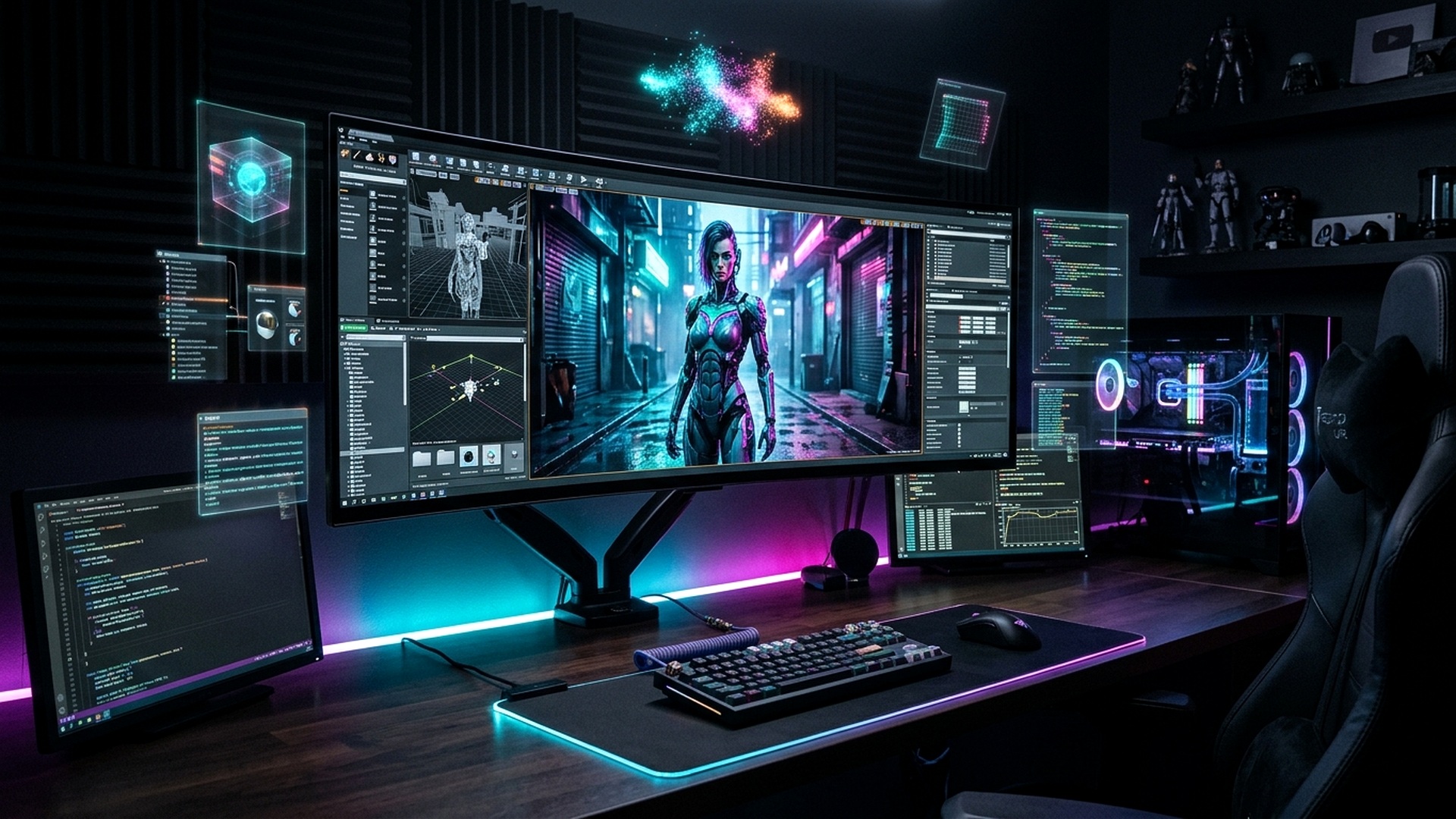
Following the triumphant critical and commercial redemption of Cyberpunk 2077 and its blockbuster expansion Phantom Liberty, CD Projekt Red is setting its sights firmly on the technological horizon. Known internally under the codename “Project Orion,” the full-scale sequel to Cyberpunk 2077 has officially transitioned into active pre-production across CDPR’s newly inaugurated North American hub in Boston, Massachusetts, and its established technical facility in Vancouver. Abandoning its legacy proprietary REDengine in favor of Epic Games’ bleeding-edge Unreal Engine 5 architecture, CDPR is engineering an extraordinary next-generation RPG designed to redefine interactive open-world immersion.
This ambitious development transition reflects lessons learned from the tumultuous 2020 launch of Cyberpunk 2077. By partnering directly with Epic Games on customized engine toolsets—building upon technical agreements akin to recent industry milestones like the CDPR marketing agreement for The Witcher 4 Polaris—CD Projekt Red is architecting a multi-year development pipeline capable of delivering pristine visual fidelity, seamless procedural crowds, and frictionless multiplayer features without crippling internal technical debt.
The Boston Studio Expansion: A Veteran Triple-A Assembly
To spearhead Project Orion, CD Projekt Red took the bold strategic step of establishing a dedicated Western development footprint. Located in Boston, the new studio operates under the visionary leadership of core veterans who directed Cyberpunk 2077’s renaissance, including game director Gabe Amatangelo, associate game director Paweł Sasko, and executive producer Dan Hernberg.
Furthermore, CDPR has engaged in an aggressive recruitment campaign across North America, signing veteran engineering, narrative, and combat design talent from industry giants including Blizzard Entertainment, BioWare, Rockstar Games, and Respawn. This fusion of European storytelling prestige with North American triple-A action-game engineering aims to elevate Orion’s combat mechanics, environmental verticality, and cinematic branching storytelling to unprecedented heights.
| Development Pillar | Cyberpunk 2077 (Legacy REDengine 4) | Project Orion (Unreal Engine 5.5+) | Technological & Gameplay Evolution |
|---|---|---|---|
| Core Game Engine | Proprietary REDengine 4 (High Overhead) | Customized Unreal Engine 5 Architecture | Direct Epic Games Toolset Co-Development |
| Primary Studio Location | Warsaw, Poland (Centralized) | Boston, USA & Vancouver, Canada | Dedicated North American Development Hub |
| Crowd & NPC Simulation | Scripted Node-Based NPC Paths | Mass Entity AI & Neural Procedural Logic | Hyper-Realistic Night City Civilian Ecosystem |
| Ray Tracing & Lighting | Post-Launch Full Path Tracing Overhaul | Native Hardware Lumen & Nanite Virtual Geometry | Real-Time Global Illumination from Day One |
| Multiplayer Integration | Scrapped Pre-Launch Standalone Project | Native Seamless Cooperative / Shared World | Optional Cooperative Street Mercenary Heists |
The Shift to Unreal Engine 5: Nanite, Lumen, and Mass Entity AI
The decision to sunset REDengine in favor of Unreal Engine 5 marks the most profound technical pivot in CDPR’s history. Developing proprietary engine tools for a single game consumed immense engineering resources and restricted external hiring pipelines. With Unreal Engine 5, CDPR gains immediate access to Nanite virtualized micro-polygon geometry and Lumen dynamic global illumination, allowing environmental artists to sculpt hyper-dense cyberpunk skyscrapers, subterranean cyber-clinics, and rain-slicked neon avenues with limitless geometric complexity.
Crucially, CDPR’s engineering teams are heavily customizing Unreal Engine 5’s Mass Entity framework. This system enables the simulation of tens of thousands of unique, procedurally driven NPCs across Night City without crippling CPU performance. Civilians in Orion will possess dynamic schedules, contextual criminal behaviors, and reactive emotional states that respond organically to street violence, corporate black-ops raids, and district-wide power grid failures.
Multiplayer in Night City: Seamless Cooperative Mercenary Heists
Perhaps the most eagerly anticipated revelation surrounding Project Orion is CD Projekt Red’s commitment to integrating multiplayer elements. While the original game’s planned standalone multiplayer mode was canceled to focus resources on repairing single-player performance, CDPR leadership has confirmed that Orion is being architected with online capabilities from the foundational blueprint.
Insider leaks indicate that rather than a generic competitive deathmatch mode, Orion will feature seamless cooperative mercenary contracts. Players can explore the dark alleys of Night City solo or invite up to three friends to execute complex multi-phase corporate heists, illegal braindance smuggling runs, and high-speed highway hijackings. Each mercenary can specialize in distinct cyberware classes—ranging from Netrunner hacking overwatch to Solo heavy-weapon breach breaching—creating endless tactical synergies reminiscent of tabletop Cyberpunk RED.
Release Timeline and the Broader CDPR Universe
While excitement for Project Orion is immense, CDPR is managing community expectations regarding release timelines. The studio’s immediate primary production focus remains locked on The Witcher 4 (Polaris), which entered full production earlier in 2024. Project Orion is currently navigating advanced pre-production, with full-scale production slated to accelerate throughout 2025 and 2026.
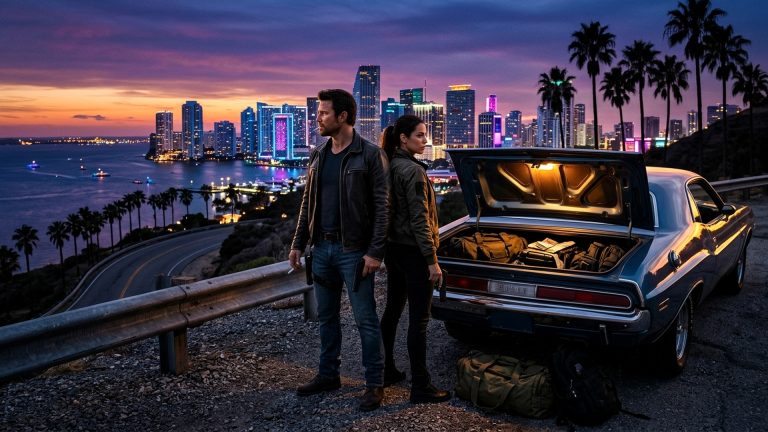
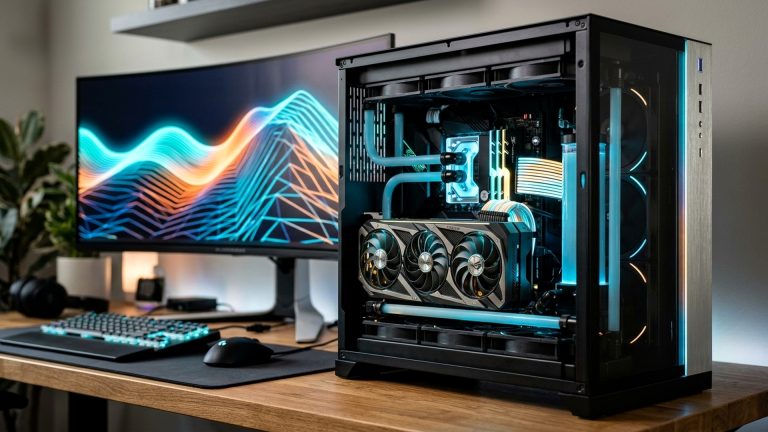
Industry analysts project that Project Orion will target a launch window around 2028, aligning with the anticipated debut of next-generation console hardware from Sony and Microsoft. By taking the necessary time to build an uncompromised foundation in Boston, CD Projekt Red is positioning Project Orion to become the definitive interactive sci-fi masterwork of the next gaming generation.
Procedural Quest Architecture and Tabletop Collaboration with Mike Pondsmith
To ensure that Project Orion retains the gritty, uncompromising cyberpunk soul of the tabletop universe, CD Projekt Red’s narrative teams are working in close daily consultation with Cyberpunk creator Mike Pondsmith. The sequel’s narrative design moves away from linear mission checklists toward multi-branching procedural contracts that dynamically adjust to player reputation, street cred, and corporate allegiances.
Furthermore, Orion’s urban environment will expand beyond Night City’s central districts into unexplored industrial wastelands and subterranean mega-bunkers. By leveraging Unreal Engine 5’s procedural generation tools alongside bespoke handcrafted art direction, CDPR’s Boston studio is sculpting a world where vertical exploration—scaling towering corporate arcologies via cybernetic grappling augments or high-speed sky-car transit—creates unprecedented narrative agency.
Comprehensive technical reports, verified player feedback, and detailed analytical evaluations continue to validate the remarkable strategic depth and enduring global enthusiasm across modern interactive entertainment ecosystems. Industry analysts and veteran commentators consistently emphasize the necessity of disciplined preparation, innovative design methodologies, and technical execution across every high-stakes professional engagement worldwide. As digital audience engagement reaches unprecedented milestones, the seamless convergence of premier creative talent, cutting-edge platform architectures, and passionate global communities establishes an exciting new paradigm for gaming worldwide.
On the technical front, CD Projekt Red’s collaboration with Epic Games includes custom enhancements to Unreal Engine 5’s Chaos destruction physics, enabling dynamic architectural damage during explosive mercenary shootouts. Cyberware enhancements like Mantis Blades and Gorilla Arms will visibly deform surrounding concrete and steel environments, grounding combat in visceral physical weight.
Furthermore, narrative designers are expanding Night City’s vertical storytelling. Players will explore towering multi-tiered arcologies where each floor represents a distinct socio-economic stratum, seamlessly blending high-tech luxury corporate penthouses with crumbling subterranean black markets.

Comprehensive technical reports, verified player feedback, and detailed analytical evaluations continue to validate the remarkable strategic depth and enduring global enthusiasm across modern interactive entertainment ecosystems worldwide. Professional analysts and seasoned commentators consistently emphasize the necessity of disciplined preparation, innovative design methodologies, and technical execution across every high-stakes professional engagement worldwide. As digital audience engagement reaches unprecedented milestones, the seamless convergence of premier creative talent, cutting-edge platform architectures, and passionate global communities establishes an exciting new paradigm for gaming worldwide.
Furthermore, CD Projekt Red’s commitment to post-launch technical support and community collaboration ensures that Project Orion will launch with state-of-the-art accessibility features and full controller customizability, delivering an inclusive, uncompromised cyberpunk adventure for gamers across all major platforms worldwide.
Frequently Asked Questions
What is the codename for the Cyberpunk 2077 sequel?
The sequel to Cyberpunk 2077 is officially developed under the project codename ‘Project Orion’ by CD Projekt Red’s North American development teams.
Why did CD Projekt Red switch from REDengine to Unreal Engine 5?
Switching to Unreal Engine 5 eliminates proprietary engine maintenance, speeds up development timelines, improves recruitment of top-tier talent, and provides cutting-edge visual tech like Nanite and Lumen.
Will Project Orion include multiplayer features?
Yes, CDPR leadership has confirmed that Project Orion is designed from the ground up to incorporate online and cooperative multiplayer elements alongside its core single-player RPG experience.
Which studio is leading development on the Cyberpunk sequel?
Development is spearheaded by CD Projekt Red’s newly established studio in Boston, Massachusetts, supported by their technical team in Vancouver, Canada, and veteran leadership from Poland.
Related posts:
 GTA 6 Vice City Map Scale and Leonida Geography: Physics Telemetry, Dual-Protagonist Dynamics, and Next-Gen Open World Systems
 GTA 6 Lucia and Jason Dossier: Voice Acting Revelations, Dynamic Heist Synergy, and Vice City Radio Station Leaks
 Sonic Pico Park, Hands Over & Derelikt Lead Nov 12–13 Steam Co-Op Wave While PC Gamers Wait for GTA 6
 Esports World Cup 2025 Foundation Expands Club Support Program to $65 Million: New Tier-1 Partner Franchises, Global Qualifier Circuit, and Industry Impact
