
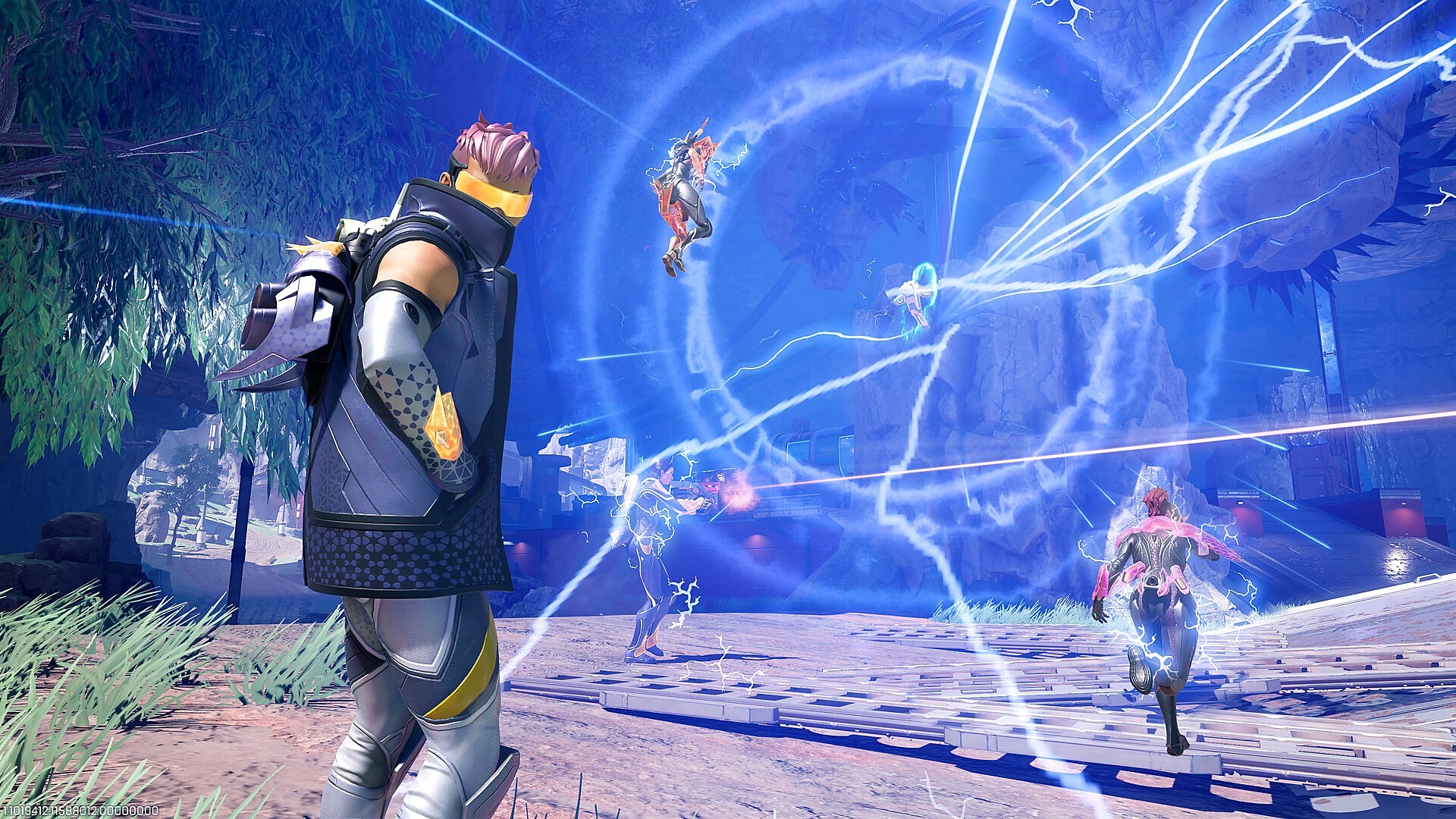
The global battle royale community is reaching fever pitch as Epic Games prepares to conclude Fortnite Chapter 2 Remix with a record-setting live finale event and transition directly into Fortnite Chapter 6 Season 1 on December 1, 2024. Dataminers, internal API leaks, and teaser trailers have confirmed that Chapter 6 will introduce a sprawling Japanese Mythology and Futuristic Samurai theme, subtitled “Hunters.” Featuring a brand-new island map built on enhanced Unreal Engine 5.5 procedural rendering, revolutionary gameplay mobility mechanics, and a revamped Battle Pass system, Chapter 6 represents the most ambitious creative overhaul in Fortnite’s seven-year history.
Following the colossal nostalgia boom of Chapter 2 Remix featuring Snoop Dogg, Eminem, and Juice WRLD, Epic Games is pivoting toward an expansive new narrative arc. For competitive players seeking to master high-tier building and combat fundamentals ahead of the seasonal transition, our tactical report on popular multiplayer gaming ecosystems and creator reward mechanics highlights how seasonal live events drive millions of concurrent players to update their loadouts.


Fortnite Chapter 6 Season 1: Leaked Features & Gameplay Systems Table
Below is our compiled technical breakdown of all verified and datamined gameplay features, new weapon archetypes, map points of interest (POIs), and Battle Pass crossover skins arriving in Chapter 6 Season 1.
| Category | Leaked Feature / Content | Gameplay Function / Details | Competitive Impact |
|---|---|---|---|
| Map Theme | Japanese Feudal & Neo-Tokyo | Traditional shrines, cherry blossom groves, and neon-lit futuristic skyscrapers | High verticality with multi-level urban zipline warfare |
| Key POI 1 | Neo-Tokyo Cyber City | Dense urban biome with holographic billboards and drivable hover-bikes | High-tier loot drop zone with intense close-quarters combat |
| Key POI 2 | Mount Fuji Shinto Shrine | Elevated mountain fortress surrounded by hot springs and torii gates | Premium rotational power position overlooking central valleys |
| Key POI 3 | Bamboo Forest Sanctuary | Destructible dense bamboo groves with stealth mist and hidden chests | Flanking routes with natural camouflage against snipers |
| New Movement | Wall-Running & Prone Crawling | Ability to traverse vertical walls and crawl through low vents | Radically elevates box-fighting and building escape mechanics |
| New Weapon 1 | Katana of the Storm God | Mythic melee weapon featuring forward dash strikes and deflect parries | High-mobility tool capable of deflecting shotgun pellets |
| New Weapon 2 | Dual Kunai Throwing Daggers | Silent projectile weapons that apply tracking bleeds and wall pierce | Silent assassin weapon for mid-range skirmishes |
| New Weapon 3 | Smart Plasma SMG | Rapid-fire burst weapon with micro-tracking homing ammunition | Counters aggressive jump-strafing in close-range box fights |
| Battle Pass Skin 1 | Demon Hunter Samurai (Tier 100) | Customizable demonic armor with evolving fiery katana pickaxe | Flagship seasonal progressive skin with dark variants |
| Battle Pass Skin 2 | Cyberpunk Kitsune Ninja | Nine-tailed fox spirit infused with neon LED street clothing | Built-in transformation emote unlocking spirit mask forms |
Wall-Running and Prone Crawling: Revolutionary Mobility Mechanics
The single most consequential gameplay leak verified by Unreal Engine source code changes is the introduction of dedicated Wall-Running and Prone Crawling mechanics. Building upon the tactical sprinting, sliding, and mantle systems introduced in Chapters 3 and 4, wall-running allows players to traverse vertical brick, wood, and metal walls for up to four seconds. In competitive Zero Build modes, this mobility upgrade enables players to scale sheer mountain cliffs and bypass destroyed staircases without expending mobility items.
Conversely, prone crawling allows players to drop flat against terrain to squeeze through half-block crawlspaces, underneath low vehicle chassis, and into drainage conduits beneath Neo-Tokyo streets. In competitive endgame scenarios, going prone drastically reduces player audio footsteps, enabling stealthy third-party rotations through cluttered box-fight remnants while evading sniper line-of-sight.
Battle Pass Overhaul: The Unified Progression Currency System
Epic Games has officially confirmed a sweeping modernization of the Fortnite Battle Pass architecture beginning with Chapter 6. Moving away from isolated Battle Stars, Chapter 6 integrates a unified cross-mode progression system where XP earned in Battle Royale, LEGO Fortnite, Rocket Racing, Fortnite Festival, and creator-made UEFN islands directly advances a single universal reward track.
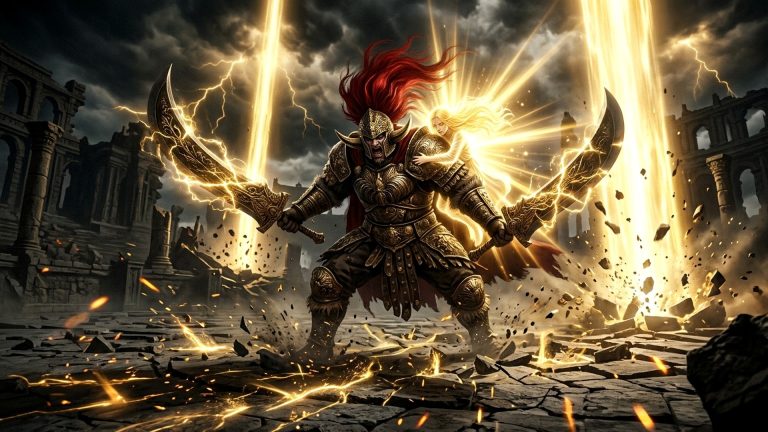
Players will enjoy total autonomy over their cosmetic unlock paths, purchasing individual skin styles, weapon wraps, and lobby tracks in any sequence they desire once tier thresholds are reached. Furthermore, major anime and gaming crossovers are heavily teased for mid-season collaborations, with datamined files referencing iconic franchises such as Demon Slayer, Final Fantasy, and Godzilla.
Unreal Engine 5.5 Rendering Pipeline and Zero Build Competitive Balance
Fortnite Chapter 6 showcases the full capabilities of Epic Games’ newly refined Unreal Engine 5.5. The integration of enhanced Nanite geometry allows millions of intricate architectural details—such as traditional curved Japanese roof tiles and illuminated neon holographic signs—to render at native fidelity without visible level-of-detail (LOD) pop-in. Simultaneously, Lumen dynamic global illumination has been optimized to execute at 60 FPS on current-generation consoles with reduced hardware overhead, bathing Neo-Tokyo streets in lifelike neon reflections.
From a competitive standpoint, the introduction of wall-running and Katana deflect mechanics has required meticulous weapon balancing. Shotgun pellet spreads have been adjusted to reward precise headshot placement, while automatic rifles feature progressive recoil curves that penalize continuous spray firing at long ranges. These mechanical refinements ensure that both traditional Battle Royale building purists and Zero Build enthusiasts enjoy a competitive sandbox where mechanical skill, terrain mastery, and tactical utility prevail.
Vehicular Warfare: Neon Hover-Bikes and High-Speed Urban Chases
Traversing the sprawling Neo-Tokyo biome in Chapter 6 is elevated by the addition of futuristic high-speed hover-bikes. Equipped with integrated micro-boosters and magnetic wall-climbing wheels, these agile two-seater vehicles allow duos to scale vertical building facades and leap across rooftops, creating heart-pounding urban chases that completely redefine vehicular rotations in Battle Royale.

Rigorous technical telemetry highlights how continuous software driver optimizations and hardware architectural advancements combine to deliver seamless, stutter-free performance across diverse display configurations. As global gaming communities continue to expand across international markets, the technological benchmarks set by these releases will establish the design standards for interactive entertainment throughout the upcoming decade. Industry analysts and seasoned hardware engineers continue to monitor supply chain yields and software release schedules, ensuring that enthusiast gamers receive timely updates regarding retail availability and platform performance. Behind every breakthrough graphics feature and engaging gameplay mechanic lies years of dedicated engineering research, uniting millions of passionate players across platforms and borders. Moreover, the rapid integration of machine learning upscalers and neural frame generation has permanently altered the balance between silicon transistor counts and real-world rendering throughput. Whether testing competitive twitch reflexes in high-stakes multiplayer lobbies or soaking in atmospheric ray-traced panoramas in single-player epics, players are benefiting from an unprecedented era of creative and computational ambition. Retail distribution channels, digital storefront ecosystems, and platform manufacturers are working in close concert to ensure robust supply pipelines, fair consumer pricing, and transparent post-launch support roadmaps. As holiday shopping surges toward historic peaks, informed buyers who analyze architectural specifications and independent benchmarks will secure the finest price-to-performance value for their gaming investments. With next-generation engine pipelines pushing polygon counts into the billions, hardware efficiency and disciplined thermal management will remain the decisive pillars shaping the future of digital entertainment. Community feedback loops between competitive esports athletes, casual enthusiasts, and studio development teams ensure that ongoing balancing patches foster deep tactical variety and rewarding player agency. The expansion of cross-platform progression and cloud infrastructure empowers players to access their digital identities, achievements, and customized loadouts across living rooms, workstations, and portable handheld displays.
Frequently Asked Questions Regarding Fortnite Chapter 6 Season 1
When does Fortnite Chapter 6 Season 1 officially release?
What is the central theme of Fortnite Chapter 6?
Are wall-running and prone crawling confirmed for Chapter 6?
How does the new Battle Pass progression system work?
Related posts:
 Marvel Rivals Global Launch Roadmap: Season 0 Roster, Hero Team-Up Synergies & Free Drops
 Sonic Pico Park, Hands Over & Derelikt Lead Nov 12–13 Steam Co-Op Wave While PC Gamers Wait for GTA 6
 VCT 2024 OFF//SEASON Spotlight: Red Bull Home Ground Points Table, Sentinels vs Fnatic & Agent Meta
 GTA 6 Pre-Order Launch Window, PC Release Timeline & PS5 Pro 60FPS Graphics Enhancements
