
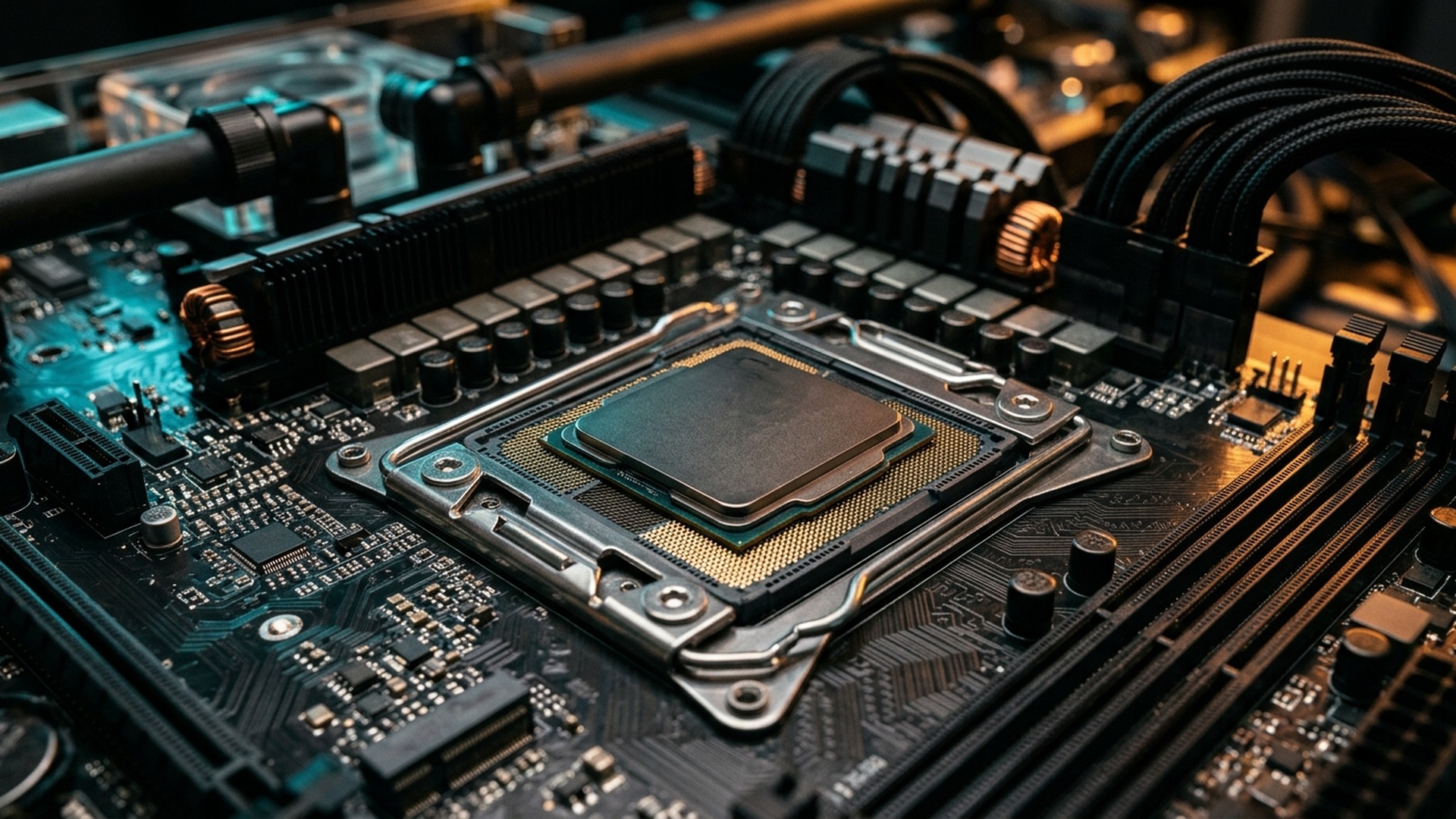
Microsoft’s boldest hardware gamble in two decades—an upcoming next-generation hybrid living-room machine internally codenamed Project Helix—is undergoing crucial economic recalibration behind closed doors in Redmond. According to fresh industry reporting from Windows Central and supply-chain analysts in November 2026, Project Helix is engineered as a unified console-PC architecture capable of running native Xbox libraries alongside third-party Windows storefronts like Steam and the Epic Games Store. However, surging global memory prices driven by the AI server boom (“RAMageddon”) and shifting executive margin targets have forced Xbox leadership to reconsider one of Helix’s most celebrated early pillars: eliminating the subscription paywall for online multiplayer.
What Is Xbox ‘Project Helix’? Bridging Living-Room Ease and PC Openness
Traditional console economics rely on a “razor-and-blades” subsidy model: manufacturers sell custom silicon boxes at break-even or slight hardware losses, recouping billions through a 30% cut on walled-garden digital game sales and mandatory monthly online multiplayer subscriptions (Xbox Game Pass Core / Essential). Project Helix fundamentally disrupts that forty-year paradigm by merging a streamlined, controller-first Xbox shell atop a hardened Windows kernel.


In practical terms, a Project Helix owner could boot directly into a fast, television-optimized Xbox dashboard to play backward-compatible Xbox Series X/S titles with Quick Resume, then seamlessly launch their existing Steam library—giving living-room players instant access to PC-exclusive hits, Sony’s PlayStation PC ports, and deep Steam seasonal sales without building a desktop tower. Enthusiasts weighing whether to build a custom rig today or wait for hybrid hardware can compare current silicon leaders in our AMD Ryzen 7 9800X3D vs Intel Core Ultra 9 285K Gaming Benchmarks.
Why the Online Multiplayer Paywall Reversal Is Happening
Here lies the philosophical and financial catch that surfaced in late November 2026. When a player launches Counter-Strike 2, Dota 2, or a third-party game via Steam on a Windows-based hybrid Xbox, Steam—not Microsoft—collects the 30% storefront transaction fee, and PC gamers have enjoyed free online multiplayer since the dawn of the internet. Recognizing how bizarre it would look to charge an Xbox Game Pass fee for native Xbox multiplayer while Steam multiplayer ran free on the exact same machine, Microsoft’s initial Project Helix roadmap reportedly planned to scrap the online multiplayer paywall altogether.
Yet two harsh realities collided with that consumer-friendly vision in late 2026:
- The AI Memory & Silicon Crunch (“RAMageddon”): Hyperscale AI data centers have monopolized global HBM, GDDR7, and LPDDR5X wafer capacity, sending memory and NAND flash contract prices soaring by 35% to 55% year-over-year. Equipping a next-gen hybrid machine with the 24GB–32GB unified memory pool required by modern Windows + console titles has inflated Bill of Materials (BOM) costs dramatically.
- Lost Storefront Royalty Offsets: If millions of Helix buyers purchase third-party AAA titles on Steam instead of the Xbox Store, Microsoft forfeits billions in software licensing royalties—making recurring subscription revenue from online services far harder for corporate leadership to surrender.
| Architectural & Business Pillar | Traditional Console (Xbox Series X) | Project Helix (Original Vision) | Project Helix (Late-2026 Reconsideration) |
|---|---|---|---|
| Operating System Layer | Closed Xbox OS Hypervisor | Controller-First Xbox UI over Windows Core | Controller-First Xbox UI over Windows Core |
| Third-Party Storefronts | Locked (Xbox Store Only) | Native Steam, Epic Games Store & GOG | Native Steam & Third-Party Store Support |
| Online Multiplayer Access | Paid Subscription Required (F2P Exempt) | 100% Free Online Multiplayer Planned | Subscription Paywall Under Reconsideration |
| Hardware Pricing Model | Subsidized ($499–$599 Target) | Moderate Subsidy Offset by Game Pass | Premium Unsubsidized Tier ($699–$899 Est.) |
| Primary BOM Cost Driver | Custom AMD Zen 2 / RDNA 2 APU | Next-Gen APU + Unified High-Speed RAM | Surging GDDR7/LPDDR5X & NAND Flash Costs |
How Could Microsoft Enforce a Paywall If Steam Is Installed?
Hardware analysts point to three potential compromises currently being debated. First, Microsoft could gatekeep native Xbox OS ecosystem perks—cloud save synchronization across handhelds, Xbox party voice chat, OS-level AI upscaling, and native console matchmaking pools—behind an Xbox subscription while leaving raw third-party PC launchers untouched. Second, Microsoft could restrict third-party storefront access to an optional “Unlocked PC Mode” or higher-priced flagship SKU while selling a subsidized Xbox-store-only baseline console. Third, Microsoft could simply price Project Helix like a premium gaming PC ($799+) with healthy upfront hardware margins and drop the multiplayer fee as originally envisioned.
For budget-conscious gamers who refuse to wait on fluctuating console hardware politics and want guaranteed 1080p/1440p high-refresh performance right now without monthly online fees, examine our verified component breakdown in Best Gaming PC Builds Under 60K & 85K for Modern AAA Titles, as well as our deep dive into Console AI Upscaling vs PC DLSS Ray-Tracing Architecture.

Comparing Project Helix Against Steam Deck, PS5 Pro & Custom Desktops
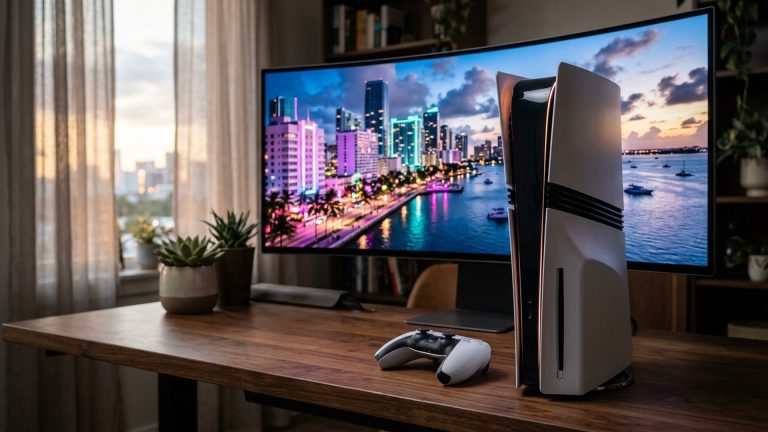
From a pure buyer’s perspective, Project Helix’s rumored dual-personality architecture creates fascinating ripple effects across living-room setups. Unlike Sony’s PlayStation 5 Pro—which doubles down on closed-ecosystem simplicity and bespoke PSSR upscaling—Microsoft’s hybrid vision effectively turns every living-room television into an instant PC battle-station without messy HDMI runs or driver headaches. Yet if hardware BOM inflation pushes Helix into the $749-to-$899 bracket AND retains a monthly multiplayer fee for native console ecosystems, savvy enthusiasts will inevitably benchmark every dollar against entry-level AM5 gaming desktops that allow modular GPU swaps three years down the road.
Market Outlook for Hardware Buyers: With memory contract pricing projected to remain elevated well into mid-2027 due to enterprise AI wafer allocations, waiting for sudden console price cuts is unlikely to pay off; locking in SSD and DDR5 upgrades during seasonal Black Friday promotions remains the smartest hedge against component inflation.
Stepping back to view the broader console landscape, Microsoft’s internal deliberations over Project Helix expose an unavoidable tension at the heart of unified hardware convergence. Console gamers love plug-and-play simplicity and subsidized upfront box pricing, while PC gamers cherish open storefront competition, modifiability, and zero recurring tolls to access their own residential broadband connection. Merging both worlds inside one chassis forces someone—either the hardware manufacturer or the end consumer—to absorb the missing platform subsidy.
Compounding Redmond’s spreadsheet dilemma is the brutal reality of late-2026 semiconductor manufacturing. Leading-edge TSMC foundry nodes and high-density LPDDR5X/GDDR7 memory packages no longer drop automatically in price every eighteen months as Moore’s Law once guaranteed; instead, consumer gaming divisions must bid directly against high-margin enterprise AI accelerators for every silicon wafer and memory module.
Ultimately, if Microsoft wants Project Helix to win back core enthusiasts in the United States and Europe, half-measures on multiplayer paywalls carry immense reputational risk. Delivering an unapologetically open, whisper-quiet living-room powerhouse that treats Xbox Game Pass as an irresistible high-value content library—rather than a mandatory multiplayer tollbooth—remains the clearest path to differentiating next-gen Xbox hardware from Sony’s PlayStation ecosystem.


Developer studios are watching Redmond’s architectural blueprint just as closely: if Project Helix standardizes a single DirectX 12 Ultimate Windows build target across desktop PCs, handhelds, and living-room consoles, multi-platform optimization times and day-one patch certification hurdles could shrink dramatically across the entire industry.
Frequently Asked Questions: Next-Gen Xbox ‘Project Helix’
What is Microsoft’s ‘Project Helix’ next-gen Xbox?
Project Helix is the reported internal codename for Microsoft’s next-generation hybrid Xbox hardware, designed to combine a controller-friendly console interface and full Xbox backward compatibility with a Windows foundation capable of running PC storefronts like Steam and the Epic Games Store.
Will the next-gen Xbox have free online multiplayer?
While Microsoft originally planned to eliminate the paid online multiplayer subscription on Project Helix to align with PC gaming standards, late-2026 reports indicate leadership is reconsidering keeping a subscription paywall due to skyrocketing RAM component costs and potential lost Xbox Store commissions.
How is the global RAM shortage affecting next-gen console prices?
Massive demand for AI data center memory has created severe supply pressure across GDDR7, LPDDR5X, and NAND flash storage, driving up hardware manufacturing costs and pushing premium consoles and Windows handhelds toward higher retail price brackets.
Will Project Helix play existing Xbox Series X/S library games?
Yes. Preserving full digital backward compatibility with Xbox Series X/S, Xbox One, and legacy catalog titles remains a non-negotiable pillar of Microsoft’s hardware roadmap alongside expanding into PC storefronts.
Related posts:
 NVIDIA vs AMD Next-Gen GPU Business Battle: RTX 50-Series Blackwell Launch Windows, RDNA 4 Mid-Range Pricing & Supply Forecasts
 AMD Zen 6 Architecture Deep Dive: 12-Core Single Chiplet CCD, 48MB Shared L3 & Gaming Impact
 Prebuilt Gaming PC Black Friday 2026 Guide: Beat the DRAM Shortage & Fake Markdowns
 AMD Ryzen 7 9800X3D Stock Shortages & Scalper Prices: 3D V-Cache Gaming Benchmarks vs Intel Core Ultra 9 285K
