

The competitive Counter-Strike 2 universe converges on China as Perfect World and Valve kick off the historic Shanghai Major 2026 Opening Stage. As the very first Counter-Strike Major hosted in the Asia-Pacific region, the tournament carries colossal historical weight, multimillion-dollar sticker financial stakes, and unmatched prestige. Sixteen international powerhouses from Europe, the Americas, and Asia have survived grueling Regional Major Ranking (RMR) qualifiers to battle for eight coveted berths in the Elimination Stage.
The tournament represents the ultimate proving ground for Valve’s updated Valve Regional Standings (VRS) seeding methodology. By replacing subjective direct invites with transparent global algorithmic rankings, the Opening Stage seeds have generated electrifying first-round matchups. Contenders such as Complexity, Virtus.pro, paiN Gaming, The MongolZ, and Imperial find themselves on an equal footing where single-map best-of-one openers can instantly tilt an organization’s tournament trajectory toward triumph or catastrophe.

Beyond competitive glory, the financial landscape of the Shanghai Major is staggering. Team and player sticker capsule sales across the Opening, Elimination, and Champions stages are projected to distribute over $40 million to participating organizations, making early survival essential for long-term organizational viability.
| Tournament Metric | Official Shanghai Major Details | Esports Ecosystem Impact |
|---|---|---|
| Tournament & Organizer | Perfect World CS2 Shanghai Major 2026 | First Valve Major in Asia-Pacific esports history |
| Stage Format | 16-Team Swiss System (MR12 Overtime rules) | 3 wins advance to Elimination Stage; 3 losses eliminate |
| Total Prize Pool | $1,250,000 USD + Projected $40M+ Sticker Pool | Direct revenue share across team and autograph capsules |
| Active Map Pool | Mirage, Inferno, Nuke, Dust II, Ancient, Anubis, Vertigo | Heavy focus on Anubis and Ancient in MR12 buy economics |
| VRS Regional Allocation | Europe (7 Teams), Americas (6 Teams), Asia-Pacific (3 Teams) | Unprecedented global parity across qualifying regions |
The Swiss System Crucible: Navigating the Opening Stage Gauntlet
The Swiss System format employed in the Shanghai Major Opening Stage offers zero room for complacency. In Rounds 1 through 3, matches between teams with non-advancement or non-elimination records (such as 0-0, 1-0, 0-1, 1-1) are contested as best-of-one (BO1) fixtures. In the MR12 environment where a team only needs 13 rounds to claim victory, pistol rounds and initial conversion buys carry monumental mathematical leverage, often determining up to 45% of the total available rounds.
Crucially, all progression matches (2-0 teams fighting for Elimination Stage seeds) and elimination matches (0-2 and 1-2 squads battling for tournament survival) expand to best-of-three (BO3) series. This dual structure protects higher-caliber teams from premature exits while ensuring that underdog squads cannot fluke their way into the final sixteen purely through favorable BO1 map vetoes.
| Opening Matchup | VRS Seed Ranking | Projected Map Veto | Tactical Advantage & Win Probability |
|---|---|---|---|
| Complexity vs The MongolZ | Complexity #9 vs MongolZ #11 | Anubis or Ancient (Fast mid-control) | MongolZ (55%) aggressive T-side trades vs EliGE anchor |
| Virtus.pro vs MIBR | Virtus.pro #8 vs MIBR #15 | Dust II or Inferno (Slow defaults) | Virtus.pro (64%) disciplined late-clock executes and Jame AWP |
| paiN Gaming vs Imperial | paiN #10 vs Imperial #14 | Nuke (Ramp skirmishes & yard smokes) | paiN (58%) superior CT-side utility efficiency and biguzera calls |
| FlyQuest vs Passion UA | FlyQuest #12 vs Passion UA #16 | Mirage (Standard middle window control) | FlyQuest (52%) veteran LAN experience vs Ukrainian underdog firepower |
Tactical communication and crowd noise in Chinese arenas introduce an additional variable for European and American squads unaccustomed to Asian tournament environments. Sound reverberation inside the Shanghai arena can mask critical in-game audio cues, such as distant grenade pin pulls or quiet footstep rotations on metal surfaces. Teams with experienced in-game leaders like Jame and blameF have practiced specific visual radar confirmation protocols to avoid miscommunications during high-pressure late-round retakes.
Furthermore, the physical toll of international travel and time zone adjustment cannot be overlooked. Teams that arrived in Shanghai seven to ten days in advance to bootcamp against Asian and European opposition have shown markedly sharper crosshair placement and reaction times in preliminary scrimmages. In contrast, rosters that cut travel schedules close risk sluggish opening rounds, which can be fatal in best-of-one Swiss play where early deficits trigger aggressive opponent snowballing.
The role of in-game coaches during tactical timeouts has taken on heightened significance under Valve’s revised Major rulebook. Coaches are permitted four 30-second tactical pauses per map, during which they can review economy charts and opponent tendency data on tournament-provided tablets. In high-pressure overtime scenarios, a single well-timed timeout from a veteran tactician can completely unravel an opponent’s defensive rotation by identifying specific utility gaps or repeated B-site defensive setups.
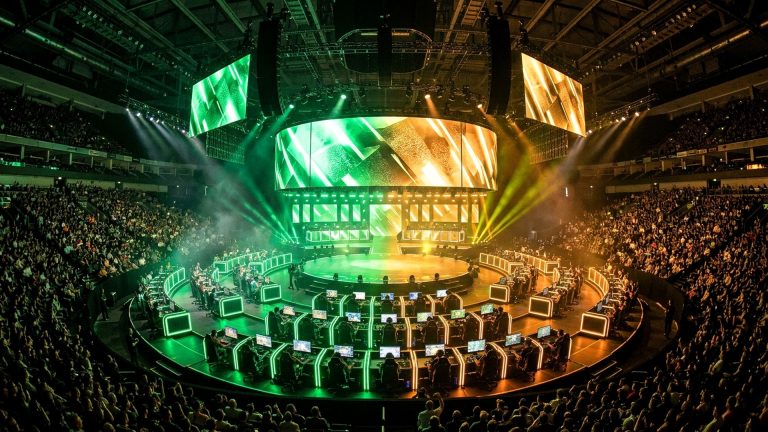
Moreover, the psychological resilience of international debutants will be tested in front of over 12,000 roaring spectators at the Shanghai arena. For rising squads like The MongolZ and FlyQuest, conquering stage fright and maintaining calm communication during chaotic 3v3 retakes will separate those who achieve Legend status from those who make a premature exit.
Weapon preservation during lost rounds (saving) has also evolved. Rather than hiding in spawn corners, teams are actively hunting late exit frags to damage the surviving opponent’s economy, ensuring that enemy riflemen must rebuy armor or utility in subsequent rounds.
MR12 Economy & Active Map Pool Metagame Shifts
Tactical data from the European and Americas RMR tournaments highlights a massive meta shift in how top teams manage round economy in Counter-Strike 2. Following Valve’s adjustments to incendiary grenade pricing ($500) and CT-side defuse kit economics, defensive setups on maps like Anubis and Ancient have become significantly more active. Rather than passively yielding mid control, CT sides are utilizing rapid HE grenade stacks and deep flashbang pushes to contest space within the first 15 seconds of the round.

The weapon meta continues to revolve around the dominance of the Galil AR and MP9 in secondary rounds. Teams that lose the opening pistol round are consistently electing to force-buy Galils or Deagles with armor, recognizing that saving for a full rifle round in MR12 concedes too much momentum to the opponent. In Shanghai, the teams that master force-buy utility synchronization will possess a decisive edge in Swiss progression.
| Map | T-Side Win Rate | CT-Side Win Rate | Key Strategic Deciding Factor |
|---|---|---|---|
| Anubis | 54.8% | 45.2% | B-site water control and bridge smoke coordination |
| Ancient | 48.2% | 51.8% | Donut contestation and cave flashbang executes |
| Nuke | 43.5% | 56.5% | Secret smoke wall and ramp defensive crossfires |
| Mirage | 49.6% | 50.4% | Middle window smoke timing and connector trade frags |
| Tournament Financial Tier | Opening Stage Contenders | Elimination Stage Legends | Organizational Impact |
|---|---|---|---|
| Sticker Capsule Revenue Share | $1.2M – $2.5M Projected | $3.0M – $4.5M Projected | Guarantees annual organizational solvency and player salaries |
| VRS World Ranking Points | +250 – +400 Points | +600 – +900 Points | Direct invites to Tier-1 ESL Pro League and BLAST Premier events |
| Valve Direct Major Seeding | Opening Stage Seed 2026 | Elimination Direct Invites | Bypasses open qualifiers for future 2026 Valve Majors |
Frequently Asked Questions (FAQ)
When does the CS2 Shanghai Major 2026 Opening Stage start?
The Opening Stage of the Perfect World Counter-Strike 2 Shanghai Major begins on Saturday, featuring sixteen qualified teams competing across five days of Swiss System matches.
How does the Swiss System work in the Opening Stage?
Teams compete in a Swiss bracket where squads with identical win-loss records face each other. Teams that earn three wins advance to the Elimination Stage, while teams that suffer three defeats are eliminated. Progression and elimination matches are BO3, while intermediate rounds are BO1.
Why are sticker capsule revenues so important for CS2 teams?
Valve shares 50% of in-game sticker capsule proceeds with participating teams and players. Qualifying for the Major guarantees an estimated $1.2M to $4.5M in non-prize revenue per organization.
What are the most contested maps in the Shanghai Major active pool?
Anubis and Ancient are the most frequently picked maps due to their balanced MR12 economy and dynamic middle-space contestation, followed closely by competitive staples Mirage and Nuke.
Recommended CS2 Esports Coverage & Tournament Dossiers
Stay ahead of global Counter-Strike 2 competition with our dedicated analytical reports and tournament breakdowns:
- CS2 Major Saturday RMR Elimination Deciders: Bracket Standings & Utility Meta
- Big Tournaments Today: CS2 Shanghai Major European RMR Deciders & VCT Pacific
- VCT Red Bull Home Ground Global Finals: Sentinels, Fnatic & T1 Tactical Matchups
Related posts:
 India vs New Zealand 1st Test Fallout: Sarfaraz 150, Rachin Ravindra Heroics & WTC Scenarios
 IND vs NZ 3rd T20I Match Report: India Clinches Series 3-0, Arshdeep 4-Wicket Masterclass & Post-Match Presentation Highlights
 IND vs NZ 4th T20I Auckland Preview: Eden Park Pitch Report, India Predicted Playing 11, Vaibhav Sooryavanshi Debut & Weather
 IND vs NZ 5th T20I Wellington Series Finale Preview: Pitch Telemetry, Playing XI Changes & Jacob Duffy Counter-Strategy
