
Six days after releasing November 5, Ocarina of Time Switch 2 keeps smashing remake charts with rock-solid 60 FPS Hyrule action. Moving 5.2 million copies in just four days, Link’s ground-up overhaul nearly equals 70 percent of 1998 N64 sales. Underneath those numbers sits an updated engine packing global illumination and seamless Castle Town loading. Meanwhile, smart hardware tweaks erase classic pause-menu fatigue without spoiling temple mysteries. Here is how frame pacing, FSR 1 upscaling, and control fixes transform docked and handheld runs.
Launched Nov 5 at a 96 Metacritic score, Nintendo’s flagship rebuild joins lush global lighting with responsive 60 FPS combat.
- Commercial & Critical Splash: Released November 5, 2026 to a 96 Metacritic rating and 5.2 million four-day unit sales.
- Frame Rate & Resolution: Sustains 60 FPS cleanly (brief cuts touch ~57 FPS) at 1080p–1440p docked and 720p–1080p handheld.
- Upscaling Reality: Uses SMAA and AMD FSR 1 spatial upscaling instead of DLSS, keeping text sharp with mild foliage shimmer.
- Hardware QoL Touches: Packs BotW quick wheels, voice-acted cutscenes, and Switch 2 microphone Ocarina note play.
Ocarina of Time Switch 2 Engine Rebuild & Lighting Architecture
Instead of slapping fresh textures onto old polygons, Nintendo rebuilt Ocarina of Time Switch 2 cleanly from the ground up. Developers adapted an upgraded Breath of the Wild and Tears of the Kingdom tech foundation for Hyrule. Physically based shaders give Kokiri wood, damp brick walls, and steel dungeon grates realistic texture depth. Furthermore, soft fog floats gently down Lost Woods alleys while sunbeams warm Temple of Time stone pillars. Even better, walking inside shops or Castle Town stalls flows effortlessly without black loading screens.
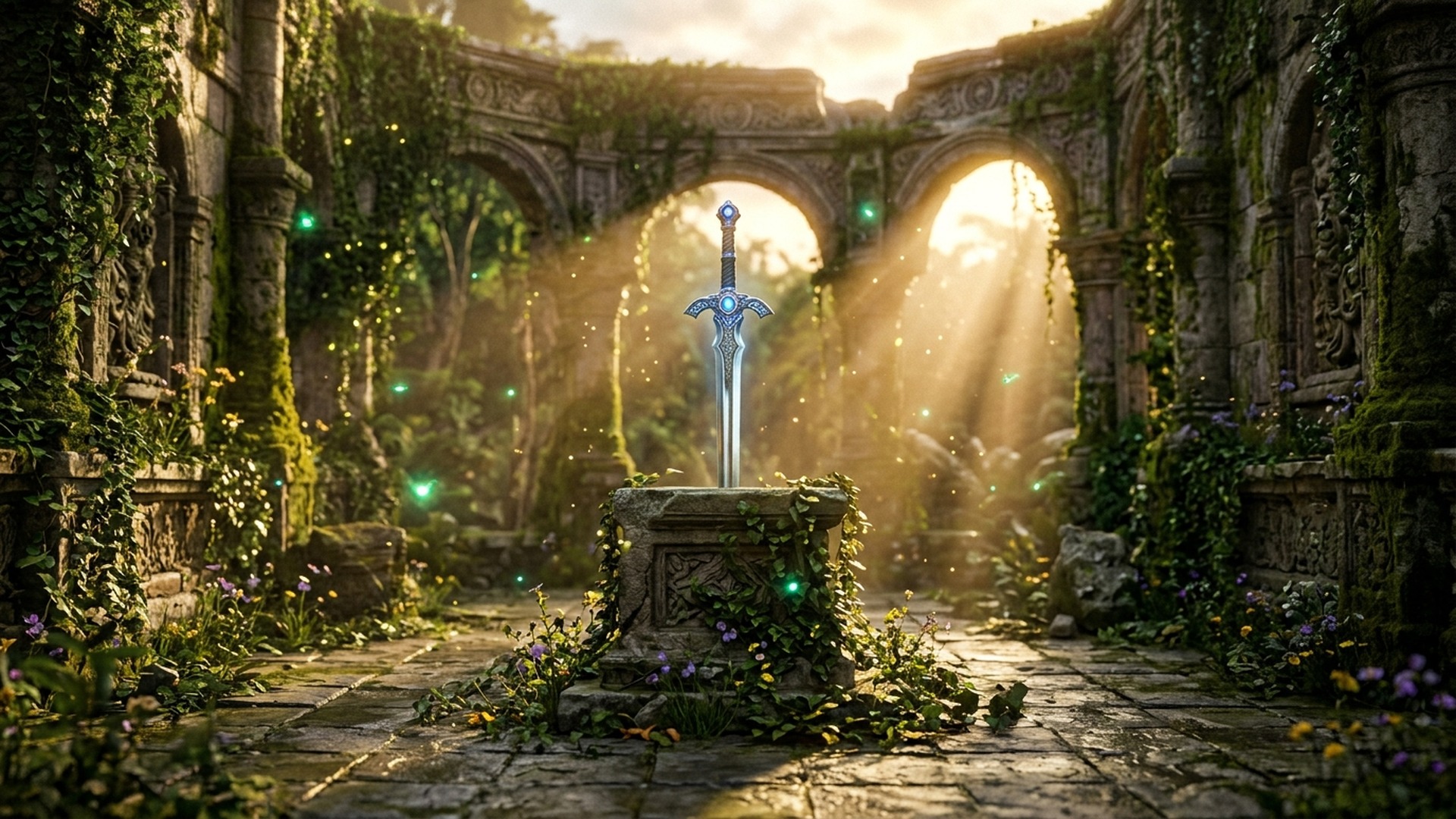
Global player reception rewarded Nintendo’s engineering investment immediately across digital and physical storefronts. Inspect investor remarks inside our Zelda Ocarina of Time Switch 2 5.2M sales report. Moreover, expressive cutscene voice acting pairs beautifully with a lush re-orchestrated symphonic score. Meanwhile, classic melodic cues stay respectful rather than overpowering quiet dungeon tension. As a result, drawing the gleaming Sacred Blade inside Temple of Time delivers fresh chills everywhere.
| Telemetry Category | Docked Mode (TV) | Handheld Mode (Switch 2) | Technical Note |
|---|---|---|---|
| Target Frame Rate | Locked 60 FPS (brief ~57 FPS cuts) | Locked 60 FPS (~57 FPS worst case) | Triple-buffer pacing prevents stutter spikes |
| Dynamic Render Window | 1080p – 1440p | 720p – 1080p | Scales cleanly across Hyrule Field storms |
| Upscaling & AA | SMAA + AMD FSR 1 | SMAA + AMD FSR 1 | Sharp text; minor edge shimmer on grass |
| HDR Output | Subdued natural palette | Natural tone mapping | Needs slight TV gamma tuning in caves |
| World Loading | Zero doorway transitions | Zero doorway transitions | Instant interior shops and Castle Town |
60 FPS Performance & FSR 1 Upscaling Benchmarks
Doubling target frame pacing inside Ocarina of Time Switch 2 transforms tough Stalfos and Iron Knuckle clashes immediately. Original 1998 N64 hardware stumbled around twenty frames per second during busy scenes. In contrast, Switch 2 holds 60 FPS steadily throughout crowded Gerudo Fortress infiltrations and Ganondorf chases. Specifically, performance monitors catch only mild ~57 FPS dips when camera pans sweep over waterfalls. Because field combat remains fluid, well-timed backflips and shield parries trigger smoothly every single time.
Interestingly, pixel counters noted Nintendo leaning on SMAA plus AMD FSR 1 rather than DLSS reconstruction. While portable screens look razor crisp, thin metal fences on big 4K TVs exhibit minor shimmer. Similarly, restrained HDR curves emphasize earthy cave atmosphere instead of garish neon contrasts. Fans looking beyond Hyrule can explore upcoming Switch 2 showcases inside our 21 confirmed Nintendo Switch 2 games and 2027 exclusives list.
Audio Re-Orchestration & Voice Direction Notes
Sound designers recorded fresh orchestral arrangements for Hyrule Field, Kakariko Village, and Gerudo Valley. Dynamic instrument layers swell organically whenever dangerous Wolfos ambush explorers along foggy field paths. Meanwhile, Switch 2 spatial headphone virtualization places Skulltula whispers clearly around tight temple ceilings. If nostalgia purists miss crisp N64 chiptunes, classic synth audio toggles stay available anytime inside settings.
BotW Quick Wheel, Mic Ocarina & Seamless Dungeons
Thoughtful quality-of-life tuning removes dated tedium while honoring every riddle in Ocarina of Time Switch 2. First, pressing a quick bumper opens a slick BotW-style gear wheel for swapping gear on the fly. Water Temple veterans will rejoice instantly because clunky pause-menu boot clicks vanish permanently. Second, sharper Z-targeting locks track swift enemies cleanly without clipping camera angles into walls.
Even better, Switch 2’s built-in console microphone enables fun real-time Ocarina note breathing during casual exploration. Late-night couch players can swap cleanly back to button melodies whenever quiet focus matters. Additionally, sending digital editions to younger siblings uses Nintendo’s new rollout covered in our Nintendo Switch 2 eShop game gifting feature guide. Meanwhile, three dedicated save slots allow simultaneous quests alongside veteran challenges.
- Bump Camera Sensitivity: Raising look speeds slightly improves tracking fast Keese bats.
- Quick-Wheel Iron Boots Early: Bind boots right beside Hookshot slots before exploring Zora regions.
- Use Responsive Wireless Pads: Check ergonomic upgrades in our GameSir Nova Vision Switch 2 wake controller review.
- Enable Motion Fine-Aim: Tilt aiming shaves seconds off tricky Gerudo Horseback Archery ranges.
Best TV, HDR & Controller Tweaks for Hyrule
Two quick display tweaks help dark shrines shine clearly inside Ocarina of Time Switch 2 without washing shadows. First, lock living-room HDMI channels into Game Mode and pull television sharpness down near zero. Dropping artificial sharpening minimizes spatial FSR 1 edge crawl along distant castle parapets cleanly. Second, nudge Switch 2 HDR peak whites one step up before diving down shadowy Bottom of the Well halls. Third, turn gyro fine-tuning strictly for Bows and Slingshots while leaving camera rotation crisp.
In addition, handheld travelers should pick warm screen tone calibration during long late-night flights. Lowering brightness twenty percent boosts Switch 2 battery endurance comfortably past four full dungeon hours. Meanwhile, remapping shield blocks to spare back triggers spares thumbs during marathon Fire Temple bosses. Moreover, saving amiibo scans for extra heart top-ups keeps early adult runs breezy without excess potion grinding. Blending iconic 1998 temple logic with effortless frame pacing proves why Nintendo waited for Switch 2 firepower. Overall, Ocarina of Time Switch 2 cements itself as November’s quintessential holiday remake.
Frequently Asked Questions
Does Ocarina of Time Switch 2 run at 60 FPS?
Yes. Both docked and handheld modes target 60 FPS cleanly, with rare dramatic camera pans brushing ~57 FPS briefly.
What resolution and upscaling tech does the Switch 2 remake use?
Docked mode scales between 1080p and 1440p while handheld spans 720p to 1080p using SMAA and AMD FSR 1 upscaling.
Did Nintendo fix Water Temple Iron Boots switching?
Yes. A fast Breath of the Wild-style quick wheel toggles Iron Boots, shields, and masks instantly without deep menu pauses.
How many copies has Ocarina of Time Switch 2 sold so far?
Nintendo recorded 5.2 million copies sold across just four days following its November 5 launch.
Related posts:
 Metaphor ReFantazio Endgame Archetypes Guide: Royal Synthesis Combos & Superboss Combat Hacks
 Best Gaming Laptops Under ₹85,000 / $1,000 in Late 2026: Lenovo LOQ vs ASUS TUF Gaming A15 vs Acer Nitro V 16 Benchmark
 Cloud Gaming in Late 2026: GeForce NOW Ultimate RTX 4080 vs Xbox Cloud Gaming: 240 FPS AV1 Streaming & Latency Audit
 AMD Ryzen 7 9800X3D vs. Intel Core Ultra 9 285K: Ultimate Gaming Benchmark & Latency Verdict
