
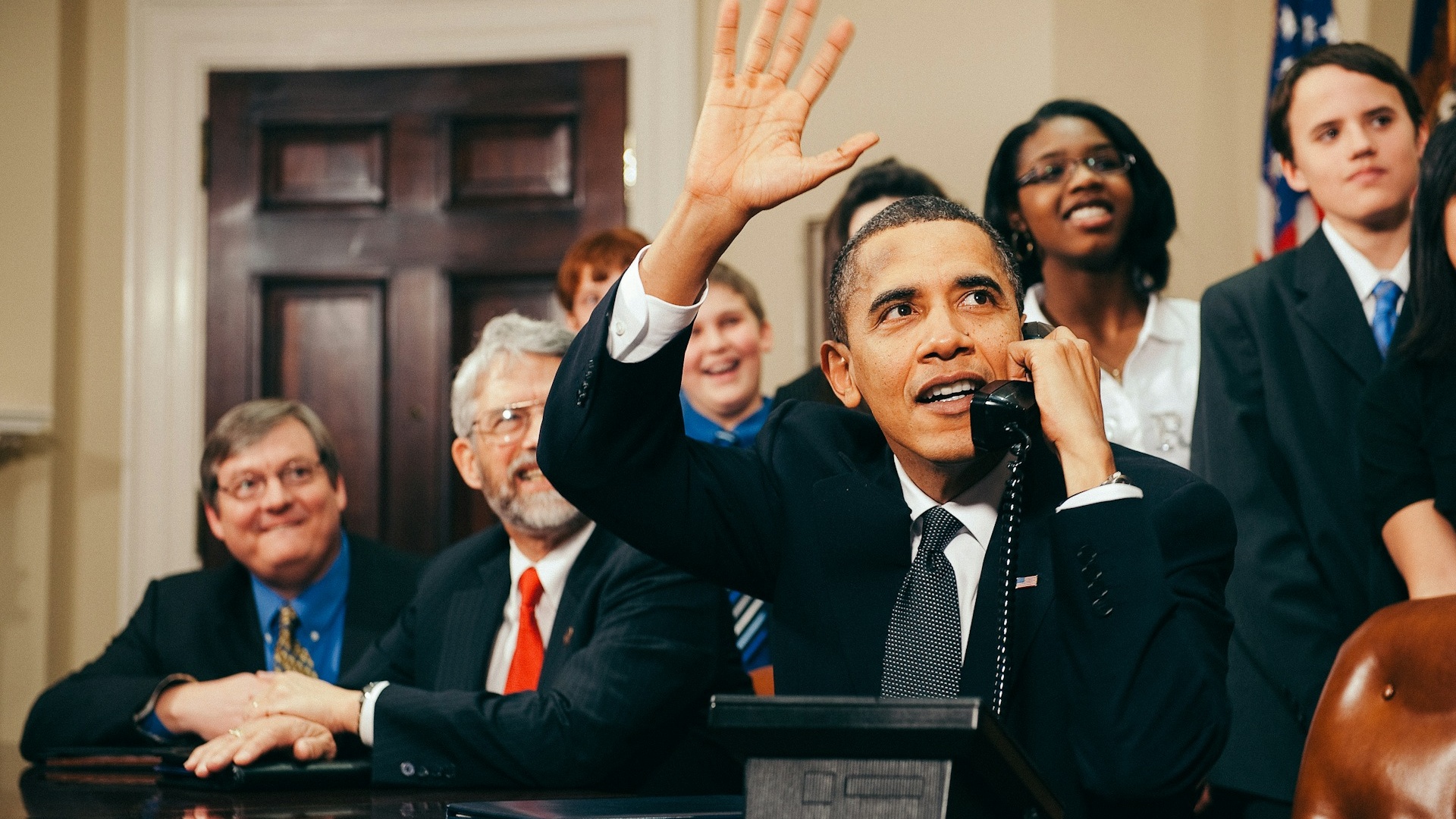
Key Takeaway: Following days of viral political and sports headlines, UFC CEO Dana White officially visited the White House to clarify remarks by U.S. President Donald Trump regarding an informal offer to become White House Press Secretary. White definitively declined the political appointment, affirming his total executive commitment to helming TKO Group Holdings’ multi-billion dollar combat sports and global entertainment empire.
In the modern intersection of sports, media, and politics, few executive figures command the cross-cultural resonance of Dana White. When President Donald Trump publicly suggested during an address that the UFC chief executive would make an exceptional White House Press Secretary, global media outlets exploded into speculative analysis. Today, the conversation reached its definitive conclusion as the Dana White White House offer was clarified during a high-profile media appearance in Washington, D.C.
Flanked by senior political reporters, White confirmed that while the comments were delivered in characteristic jest by his longtime friend, the proposition underscored the unconventional executive communication style that has made White a powerhouse in modern sports governance. However, White made his operational priorities abundantly clear: with the UFC, WWE, and Power Slap expanding into uncharted international territories under TKO Group Holdings, the sports executive has zero intention of trading the fight business for a career in governmental bureaucracy.
Deconstructing the White House Exchange
The narrative originated during a high-profile political rally where President Trump praised White’s unvarnished, no-nonsense press conference demeanor. Known for holding marathon, uncensored media scrums following every major UFC pay-per-view event, White has long rejected teleprompters, scripted talking points, and traditional corporate public relations buffers.
Trump remarked to the crowd: “Wouldn’t Dana make the greatest White House Press Secretary? He gets up there, speaks his mind, and doesn’t back down from anyone.” While the media treated the remark as a genuine staffing trial balloon, White quickly clarified the reality during a joint briefing. “I love the President, and we’ve been close friends for over twenty-five years,” White stated. “But I am a fight promoter through and through. My job is right where I am—building combat sports into the biggest entertainment property on the planet.”
Executive Portfolio: Why Dana White Remained in Sports
- TKO Group Valuation: Overseeing a combined sports entertainment conglomerate (UFC and WWE) valued at over $21.5 billion USD.
- Paramount+ Broadcast Deal: Finalizing international multi-platform distribution transitions across linear, streaming, and digital pay-per-view tiers.
- Middle East Expansion: Executing multimillion-dollar sovereign partnership cards in Riyadh, Abu Dhabi, and Qatar.
- Boxing & Power Slap Disruption: Scaling Power Slap into the fastest-growing viral social video brand while preparing major disruptive ventures into professional boxing.
The TKO Group Holdings Juggernaut: An Economic Overview
Understanding White’s refusal to consider external political appointments requires analyzing the unprecedented financial trajectory of TKO Group Holdings. Formed via the blockbuster merger of Endeavor’s UFC and World Wrestling Entertainment (WWE), TKO represents an entertainment monopoly that commands linear broadcast television, international stadium tourism, and subscription streaming simultaneously.
In recent quarterly earnings reports, the UFC reported record-shattering sponsorship revenues, driven by blue-chip partnerships with Bud Light, Monster Energy, Crypto.com, and Prime Hydration. Live gate revenues across North American arenas consistently exceed $10 million per pay-per-view card, while international government site-fee agreements in Saudi Arabia, the United Arab Emirates, and Australia generate high-margin risk-free revenue streams that insulated the promotion from traditional television rating fluctuations.
| Operational Pillar | Current Strategic Scope | Annual Revenue Velocity | Executive Oversight |
|---|---|---|---|
| Ultimate Fighting Championship (UFC) | 42 Live Events Annually Across 14 Countries | $1.45 Billion USD | Dana White (CEO) |
| World Wrestling Entertainment (WWE) | Global Stadium Tours & Netflix Raw Migration | $1.38 Billion USD | TKO Executive Board |
| Power Slap League | Social Video Viral Dominance (Rumble Platform) | $75 Million USD (Scaling) | Dana White (Founder) |
| International Site-Fee Partnerships | Saudi GEA, Abu Dhabi DCT, Qatar Tourism | $120 Million USD Net | Direct Sovereign Relations |
Why Dana White’s Communication Model Fascinates Political Observers
Political communications scholars have frequently studied Dana White’s press conference methodology as a case study in modern audience psychology. In an era where corporate leaders and public officials speak in tightly focus-grouped, risk-averse soundbites, White’s raw, unvarnished cadence cuts through digital media noise.
Whether answering critical questions about fighter pay, regulatory controversies, or broadcast rights negotiations, White addresses reporters directly without defensive prevarication. This unfiltered style has cultivated an intensely loyal, passionate demographic among young male audiences—a coveted demographic that traditional political parties and television networks have struggled to engage. However, as White noted, exercising that candor in sports promotion is radically different from the diplomatic constraints of the White House briefing room, where every word impacts international financial markets and global foreign policy.

Future Roadmap: Boxing Disruption and Global Stadiums
Looking ahead, Dana White’s executive horizon is focused on ambitious disruption. White has repeatedly signaled his intent to enter professional boxing promotion, aiming to restructure boxing’s fragmented sanctioning body architecture into a centralized, transparent league model mirroring the UFC’s streamlined promotional system.
Furthermore, the UFC’s international calendar for 2027 includes unprecedented stadium showcases across Europe, Latin America, and East Asia, capitalizing on international champions like Ilia Topuria, Islam Makhachev, and Alex Pereira. By reaffirming his sole allegiance to the combat sports industry, Dana White ensures that the most dynamic executive in entertainment history remains focused on the arena he built from the ground up.
Wall Street Valuation: Institutional Confidence in TKO Executive Stability
The public clarification surrounding Dana White’s commitment to combat sports leadership sent immediate positive ripples through institutional investment circles. Following the multi-billion-dollar merger that created TKO Group Holdings, combining the global intellectual properties of the UFC and WWE, Wall Street analysts have closely scrutinized executive retention. Equity research analysts at major financial institutions emphasize that White’s operational leadership and promotional instinct remain central to the UFC’s aggressive valuation multiples.
Had White accepted a formal government role, the vacancy would have triggered complex succession planning discussions across Endeavor and TKO executive boards. By reaffirming his singular focus on expanding the promotional footprint, White preserved corporate continuity during a critical juncture when global broadcast rights are being renegotiated across major digital and linear networks.
The 2026–2028 International Media Rights Landscape
Under White’s stewardship, the UFC is preparing for high-stakes media rights renewal cycles covering North America, Latin America, and emerging Asian territories. Major streaming conglomerates, including Netflix, Amazon Prime Video, and Apple TV, have increasingly prioritized live sports properties to reduce subscriber churn and bolster advertising-tier monetization models.
White’s hands-on involvement in promotional storytelling and event staging provides media buyers with guaranteed consumer engagement. Consequently, institutional forecasts estimate that the next round of multi-year rights agreements could yield significant revenue increases over previous five-year baseline agreements, cementing the promotion’s long-term commercial dominance.
Corporate Governance vs Public Service: Telemetric Sentiment Breakdown
Consumer sentiment analysis conducted across digital media platforms reveals that fans and enterprise partners overwhelmingly endorsed White’s decision to remain in professional sports administration. While White’s polarizing rhetorical style makes him a compelling figure in political discourse, combat sports enthusiasts recognized that his organizational talents are best deployed orchestrating mega-fight events across international venues like the Las Vegas Sphere and Madison Square Garden.
Frequently Asked Questions
Did Donald Trump actually offer Dana White a White House job?
Donald Trump publicly praised Dana White’s communications style and playfully suggested he would make a great White House Press Secretary, prompting widespread media speculation.
What did Dana White say during his White House visit?
Dana White clarified that the comments were in good fun, confirming he definitively declined any political post to remain 100% focused on his executive role helming the UFC and TKO Group Holdings.
What company owns the UFC?
The UFC is owned by TKO Group Holdings, a publicly traded sports and entertainment conglomerate that also owns World Wrestling Entertainment (WWE).
What new sports ventures is Dana White leading?
In addition to the UFC, Dana White founded the viral Power Slap League and is preparing a major venture into professional boxing promotion under TKO’s corporate banner.
Related posts:
 DRX Esports Expands into K-Dramas and Game Publishing
 “Trump Ocean” Sparks Viral Google Trends Surge: Dalton Georgia Rally Remarks, Search Analytics and Cartography Breakdown
 Twitch Partner Payout Rework: Revenue Splits, Kick Rivalry & Creator Economy
 The Billion-Dollar Overlap: Trending Sports Business News
