
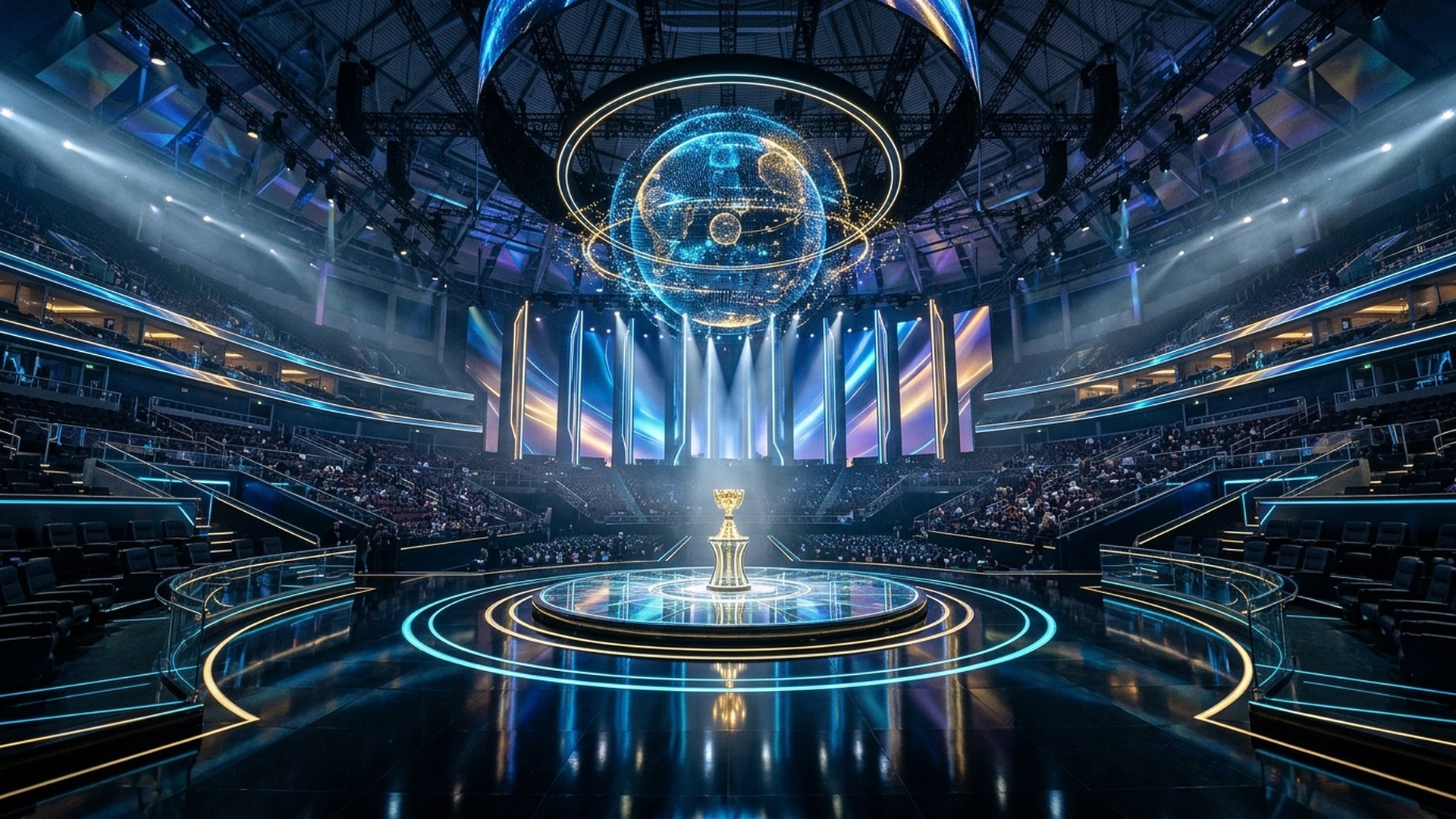
Key Takeaway: Following extensive consultations with global sports federations, game publishers, and international stakeholders, the Esports Foundation has officially postponed the inaugural Esports Nations Cup (ENC) from November 2026 to November 2027 in Riyadh, Saudi Arabia. Spanning 16 distinct video game titles and over 100 national delegations, organizers determined that an additional 12 months was vital to guarantee tournament integrity, multi-platform server synchronization, and athlete visa logistics.
When the Esports Foundation first unveiled the ambitious blueprint for the Esports Nations Cup, the competitive gaming industry hailed the initiative as the definitive Olympic equivalent for electronic athletics. However, organizing an event of unprecedented scale across dozens of competitive publishers proved to be a titanic logistical undertaking. Today, the governing body formally confirmed the Esports Nations Cup 2027 postponement, resetting the launch calendar to ensure the tournament debuts as a flawless global benchmark.
Originally slated to inaugurate this month across state-of-the-art arenas in Riyadh, the delay allows international national federations sufficient runway to conduct formal regional qualifiers, establish standardized anti-doping and anti-cheat protocols, and integrate seamlessly with sovereign national sports ministries. Rather than delivering a fragmented or rushed initial tournament, the Foundation elected to prioritize long-term institutional prestige over rapid execution.

The Immense Operational Scope: 16 Titles and 100 National Delegations
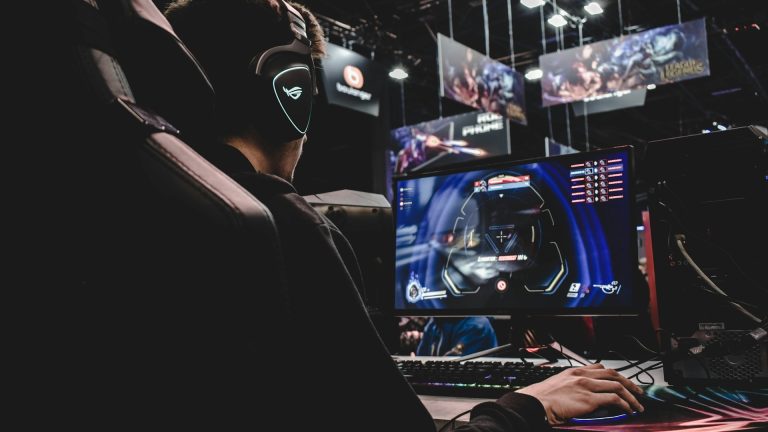
The sheer technical complexity of the Esports Nations Cup far exceeds any singular world championship tournament. Unlike traditional multi-sport events that operate under uniform physical rulebooks, an international esports Olympics requires simultaneous technical partnerships with more than a dozen fiercely independent software publishers—including Riot Games, Valve, Ubisoft, EA Sports, Krafton, and Capcom.
Each individual game title features distinct server architectures, bespoke spectator client software, specialized anti-cheat telemetry, and proprietary competitive balance cycles. The Esports Foundation’s internal technical review concluded that synchronizing 16 enterprise-grade tournament server clusters inside a centralized Riyadh arena complex required rigorous multi-stage stress testing that could not be adequately completed within the original 2026 timeframe.
Operational Challenges Addressed by the Postponement
- Multi-Publisher Telemetry: Establishing universal spectator and referee software bridging PC, console, and mobile platforms.
- National Federation Recognition: Assisting over 45 developing national esports associations in achieving formal recognition from their sovereign National Olympic Committees.
- Athlete Visa Logistics: Implementing streamlined fast-track diplomatic travel protocols for over 2,200 international competitors and coaches.
- Anti-Cheat Harmonization: Deploying unified hardware-isolated tournament machines with cross-publisher integrity monitoring.
The 16-Title Competitive Portfolio for ENC 2027
Despite the operational postponement, the Esports Foundation reiterated its complete commitment to the comprehensive 16-game competitive roster, ensuring balanced representation across PC tactical shooters, MOBAs, fighting games, sports simulations, and mobile powerhouses.
| Genre Category | Featured Game Titles | Platform Target | National Quota |
|---|---|---|---|
| Tactical Shooters | Counter-Strike 2, VALORANT, Rainbow Six Siege | Dedicated LAN PC | 32 Nations Per Title |
| MOBA | League of Legends, Dota 2 | Dedicated LAN PC | 24 Nations Per Title |
| Mobile Battle Royale & MOBA | PUBG Mobile, Free Fire, Honor of Kings, MLBB | Standardized Mobile Hardware | 48 Nations Per Title |
| Fighting Games | Street Fighter 6, Tekken 8 | PlayStation 5 Tournament Kiosks | 64 Solo National Competitors |
| Sports & Racing Simulation | EA Sports FC 27, Rocket League, iRacing | Cross-Platform / Sim Rigs | 32 Nations Per Title |
Harmonization with the International Olympic Committee
Strategic analysts note that the postponement to November 2027 offers an unexpected geopolitical advantage: alignment with the International Olympic Committee’s (IOC) timeline for the inaugural Olympic Esports Games, scheduled to take place in Saudi Arabia in 2027. By synchronizing the Esports Nations Cup calendar with the IOC’s institutional milestones, national sports ministries can allocate dedicated state funding, official national team tracksuits, and elite training facilities without scheduling conflicts.
The revised timeline establishes a structured 12-month qualification circuit. Beginning in Q1 2027, regional qualifiers will commence across the Americas, Europe, Asia-Pacific, and Africa, allowing domestic national federations to showcase local grassroots talent and secure corporate sponsorship backing well in advance of the Riyadh grand finals.
Stakeholder Reactions and Future Roadmap
Reactions across international esports organizations have been broadly supportive. Leading European and Asian esports federations emphasized that premature execution could have inflicted severe reputational damage on the concept of nation-state competitive gaming. By granting teams and organizers an additional year to solidify legal frameworks, player contracts, and anti-doping certifications, the Esports Nations Cup 2027 is positioned to debut as an unassailable triumph of international athletic cooperation.

National Federation Infrastructure and Grassroots Development
A crucial factor influencing the Esports Foundation’s decision to target November 2027 is the uneven maturity of national esports governing bodies worldwide. While nations like South Korea, France, Denmark, and Saudi Arabia boast sophisticated, state-recognized electronic sports federations with established athlete training academies, dozens of developing nations in Latin America, Africa, and Southeast Asia are still formalizing their institutional structures.
Rushing the event into 2026 would have disproportionately favored wealthy esports nations with mature commercial leagues, leaving grassroots talent from emerging territories marginalized. By establishing a twelve-month runway, the Esports Foundation has launched a dedicated Global Development Grant program, providing technical consulting, legal frameworks, and financial subsidies to emerging national federations. This initiative ensures that when national squads march into the Riyadh opening ceremonies under their sovereign national flags, every participating continent will field competitively viable, properly vetted rosters.
Athlete Integrity, Anti-Doping and Olympic Harmonization
Operating a tournament featuring over 2,200 international competitors requires rigorous compliance with international sports law. The Esports Foundation has partnered with the International Testing Agency (ITA) and the World Anti-Doping Agency (WADA) to establish comprehensive anti-doping regulations covering cognitive stimulants, prescription medications, and ergonomic health standards.
Simultaneously, the Foundation is implementing hardware-isolated tournament pods designed to eliminate any possibility of digital cheating. Every competitor in Riyadh will compete on identical, factory-sealed PC and console tournament machines running isolated operating system kernels disconnected from external commercial networks. Referees will utilize real-time biometrics, eye-tracking telemetry, and server-side packet sniffers to ensure absolute competitive purity across all 16 disciplines. This relentless commitment to integrity establishes the Esports Nations Cup as the most respected multi-title electronic sports competition in human history.
Commercial Sponsorship Resilience and Media Rights Architecture
From a commercial and broadcast perspective, the twelve-month postponement to November 2027 provides unprecedented opportunities for global brand alignment. Major multinational sponsors in the telecommunications, automotive, consumer electronics, and sportswear sectors have expressed unanimous support for the revised timeline. By aligning commercial agreements with established calendar quarters in 2027, global brands can activate multi-million-dollar marketing campaigns that span domestic national qualifiers and peak at the Riyadh finals.
Furthermore, the Esports Foundation has engaged in comprehensive discussions with international linear television networks and premier digital streaming platforms. The extended production runway allows organizers to engineer a revolutionary multi-feed broadcast architecture featuring localized language commentary in over 24 languages, real-time biometric athlete telemetry feeds, and interactive 3D virtual stadium viewing rooms. This sophisticated commercial foundation ensures the Esports Nations Cup will achieve record-breaking global viewership, demonstrating that nation-state electronic athletics commands a broadcast footprint rivaling traditional mainstream sports spectacles.
Global Broadcast Production and Multi-Lingual Spectator Hubs
Delivering an international multi-game tournament of this magnitude requires an unprecedented television and digital broadcast infrastructure. The Esports Foundation’s revised production roadmap outlines the construction of a centralized Broadcast Operations Center in Riyadh capable of simultaneously producing 16 distinct high-definition international feeds. Each game stream will be natively commentated by accredited regional broadcast talents in English, Arabic, Mandarin, Korean, Spanish, French, Portuguese, and Japanese.
Furthermore, digital streaming audiences will enjoy interactive data overlays powered by real-time API telemetry, allowing viewers to inspect player health bars, weapon inventories, minimap movements, and economic statistics directly on their smart TVs or mobile devices. By democratizing access to high-tier international production, the Esports Nations Cup 2027 ensures that passionate supporters across all six inhabited continents can cheer on their national champions with complete immersion.
Frequently Asked Questions
Why was the Esports Nations Cup postponed to November 2027?
The tournament was postponed to guarantee technical multi-publisher server stability, resolve international athlete visa and diplomatic travel logistics, and give national federations time to run official qualifiers across 16 game titles.
Where will the Esports Nations Cup 2027 take place?
The host city remains Riyadh, Saudi Arabia, utilizing state-of-the-art purpose-built esports arena complexes equipped with hardware-isolated LAN tournament environments.
How many countries and games are included in the event?
The event features 16 tier-one competitive titles spanning tactical shooters, MOBAs, mobile esports, and sports simulations, with more than 100 national delegations participating.
When do regional qualifying tournaments begin?
Official regional national qualifiers will kick off in the first quarter of 2027, establishing an official 10-month road to the Riyadh finals.
Related posts:
 Esports Business & Economics: Saudi Esports World Cup 2025 Club Championship Funding Model & $60M Ecosystem Expansion
 Esports World Cup Business Blueprint: Saudi Arabia’s $60M Club Ecosystem & Global Gaming Strategy
 Esports World Cup 2027 Club Program Expansion: $70M Prize Ecosystem, Tier-1 Stipends & Revenue Share Models
 Esports Co-Streaming & Publisher Media Rights Economics in 2026: How Twitch, YouTube & Team Watch Parties Drive Record ROI
