
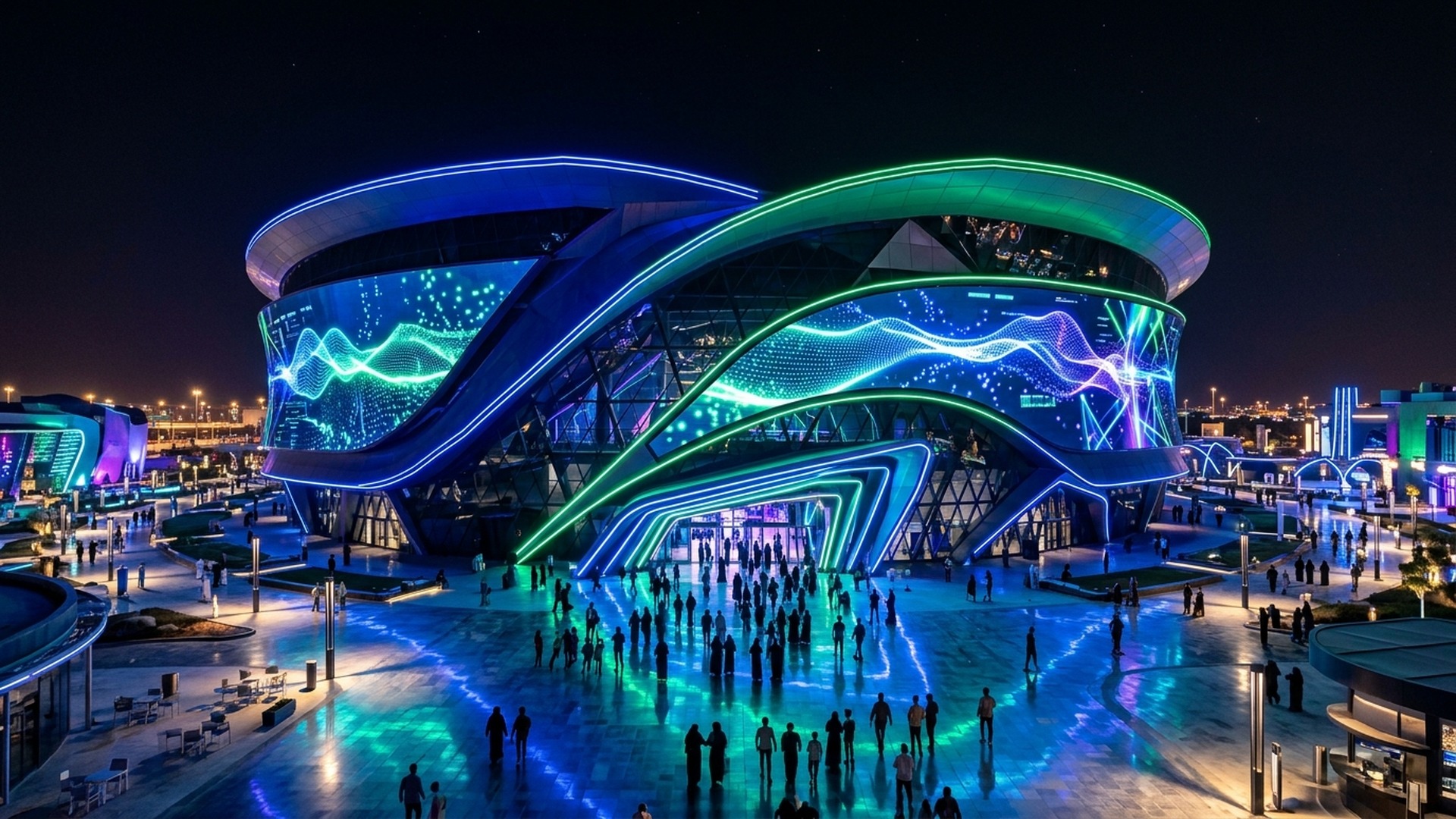
The monumental expansion of the Esports World Cup business model has fundamentally altered the financial architecture of competitive video games. Spearheaded by the Saudi Arabian Public Investment Fund (PIF) and the Esports World Cup Foundation, the Esports World Cup business combines unprecedented $60+ million multi-title prize distributions with an aggressive Club Support Program that guarantees multi-million dollar annual subsidies to legacy Western, Asian, and European esports organizations.
- Total Annual Funding Commitment: Over $60 million in direct tournament prize purses and organization stipends.
- Club Support Program: 30 elite global organizations receiving guaranteed seven-figure annual operational subsidies.
- Multi-Title Cross-Pollination: 22 competitive game titles integrated across PC, mobile, and console ecosystems.
- National Vision 2030 Synergy: Targeting 250 local gaming companies and 39,000 gaming-related jobs created in Riyadh by 2030.
- Western Team Solvency: Providing vital balance-sheet liquidity to North American and European organizations navigating the ‘esports winter’.
- Cross-Sport Integration: Strategic commercial partnerships with Formula 1, premier football leagues, and mainstream streaming networks.
Interactive Business Navigation
- 1. The Club Support Program: How Seven-Figure Subsidies Rescued Global Organizations
- 2. Cross-Title Championship Points: The Olympic Formula for Esports
- 3. Saudi Vision 2030 & Qiddiya City: Long-Term Geopolitical Gaming Real Estate
- 4. Traditional Franchised Leagues vs Esports World Cup Model Table
- 5. Western Industry Reaction: Sponsor Diversification & Brand Synergy
- 6. Commercial Sustainability & Viewership Metrics Across Twitch, YouTube & TikTok
- 7. Frequently Asked Questions (FAQ)
1. The Club Support Program: How Seven-Figure Subsidies Rescued Global Organizations
Prior to the institutional intervention of the Esports World Cup business, the competitive gaming industry was trapped in a crippling “esports winter.” Venture capital inflows had contracted sharply, sponsor budgets had shrunk, and legacy franchise leagues (such as the Overwatch League and early Call of Duty models) had burdened team owners with unsustainable tens-of-millions buy-in fees.
The Esports World Cup Foundation restructured this dynamic by creating the Club Support Program. Tier-1 organizations—including Team Liquid, FaZe Clan, Fnatic, G2 Esports, and T1—receive guaranteed annual stipends reaching up to $1.5 million. In exchange, teams agree to expand their operational footprints by signing competitive rosters across non-traditional titles like Mobile Legends: Bang Bang, Tekken 8, and Apex Legends.
2. Cross-Title Championship Points: The Olympic Formula for Esports
Historically, esports existed in fractured silos; a League of Legends fan rarely watched Dota 2, and Counter-Strike enthusiasts ignored mobile battle royales. The EWC introduced a unified Club Championship Cross-Game Points System modeled after the Olympic Games.
Every finish within an individual tournament awards cumulative club points toward a massive $20 million shared organization leaderboard. This structure incentivizes global brands to cross-promote different game divisions, exposing specialized fanbases to diverse competitive genres.
3. Saudi Vision 2030 & Qiddiya City: Long-Term Geopolitical Gaming Real Estate
The geopolitical momentum driving these investments is anchored directly in Saudi Arabia’s Vision 2030 economic diversification blueprint. Seeking to reduce economic reliance on hydrocarbon extraction, the kingdom has committed billions toward developing Qiddiya City as the global capital of digital entertainment.
With purpose-built, permanent esports arenas featuring high-capacity optical connections and specialized broadcast centers, the initiative aims to capture high-spending youth demographics while establishing the Middle East as the central transit crossroads for international tournaments.
4. Traditional Franchised Leagues vs Esports World Cup Model Table
Financial & Structural Comparison: Legacy Esports Leagues vs The EWC Ecosystem
| Commercial Metric | Franchised Closed League (Legacy Model) | Esports World Cup (EWC / Riyadh Model) | Economic Advantage |
|---|---|---|---|
| Entry Fee Requirement | Up to $20M to $35M Franchise Buy-In | Zero Franchise Fee; Open Meritocratic Qualifiers | Lower Capital Barrier for Organizations |
| Publisher Revenue Share | Declining Media Rights & Merchandising | Direct Guaranteed Operating Subsidies | Immediate Cash Flow Stability |
| Title Diversity | Monopolistic (Single Game Title) | Multi-Genre (22+ PC, Mobile & Console Games) | Massive Cross-Audience Exposure |
| Prize Pool Scale | $1M to $3M Seasonal Caps | $60M+ Global Multi-Tournament Pool | Life-Changing Earnings for Competitors |
| Global Geographic Reach | North American / European Centric | Truly Global (Americas, Asia, MENA, Europe) | Accelerates Emerging Market Growth |
5. Western Industry Reaction: Sponsor Diversification & Brand Synergy
While initial Western media discourse scrutinized state-backed funding, mainstream commercial sponsors—including automotive giants, luxury fashion houses, and telecommunications conglomerates—have embraced the EWC’s unmatched global viewership reach. Broadcasts delivered in over thirty languages across Twitch, YouTube, and regional linear networks generate hundreds of millions of cumulative watch hours.
6. Commercial Sustainability & Viewership Metrics Across Twitch, YouTube & TikTok
The long-term commercial sustainability of the project depends on converting massive peak viewership into self-sustaining media rights and merchandising ecosystems. Early data shows mobile esports titles (such as MLBB and Free Fire) delivering astronomical concurrent viewer numbers that surpass traditional PC desktop events, signaling that the future of global gaming viewership resides in mobile-first developing markets.
7. Frequently Asked Questions (FAQ)
Frequently Asked Questions (AI & Reader Search Radar)
What is the Esports World Cup (EWC)?
The Esports World Cup is an annual multi-game international tournament series held in Riyadh, Saudi Arabia, featuring over 20 top competitive titles and prize purses exceeding $60 million.
How does the Club Support Program work?
The Club Support Program provides selected global esports organizations with direct annual financial subsidies to support player salaries and incentivize expansion into multiple competitive gaming titles.
Which games are included in the Esports World Cup?
The tournament lineup spans leading esports including League of Legends, Counter-Strike 2, Dota 2, PUBG Mobile, Mobile Legends: Bang Bang, Tekken 8, and Rainbow Six Siege.
Why is Saudi Arabia investing so heavily in video games and esports?
The investments are part of the Saudi Vision 2030 economic diversification strategy, aimed at positioning the country as a global tourism, technology, and entertainment hub while engaging a youthful domestic population.
Related Competitive Intel: Read our comprehensive rankings in Top 10 LoL Players 2026 and Top 10 CS2 Players 2026.
Related posts:
 Esports World Cup Foundation Club Partner Program 2026–27: $70M Prize Pool, New Titles & Franchise Applications
 The All-Time Highest Earning Esports Tournaments & Prize Pool History: Dota 2 TI, Riyadh Masters, LoL Worlds & Fortnite World Cup Analyzed
 Esports Business & Economics: Saudi Esports World Cup 2025 Club Championship Funding Model & $60M Ecosystem Expansion
 The Real Economics of Esports in 2026: Franchise Buy-Ins, In-Game Bundles & Financial Sustainability