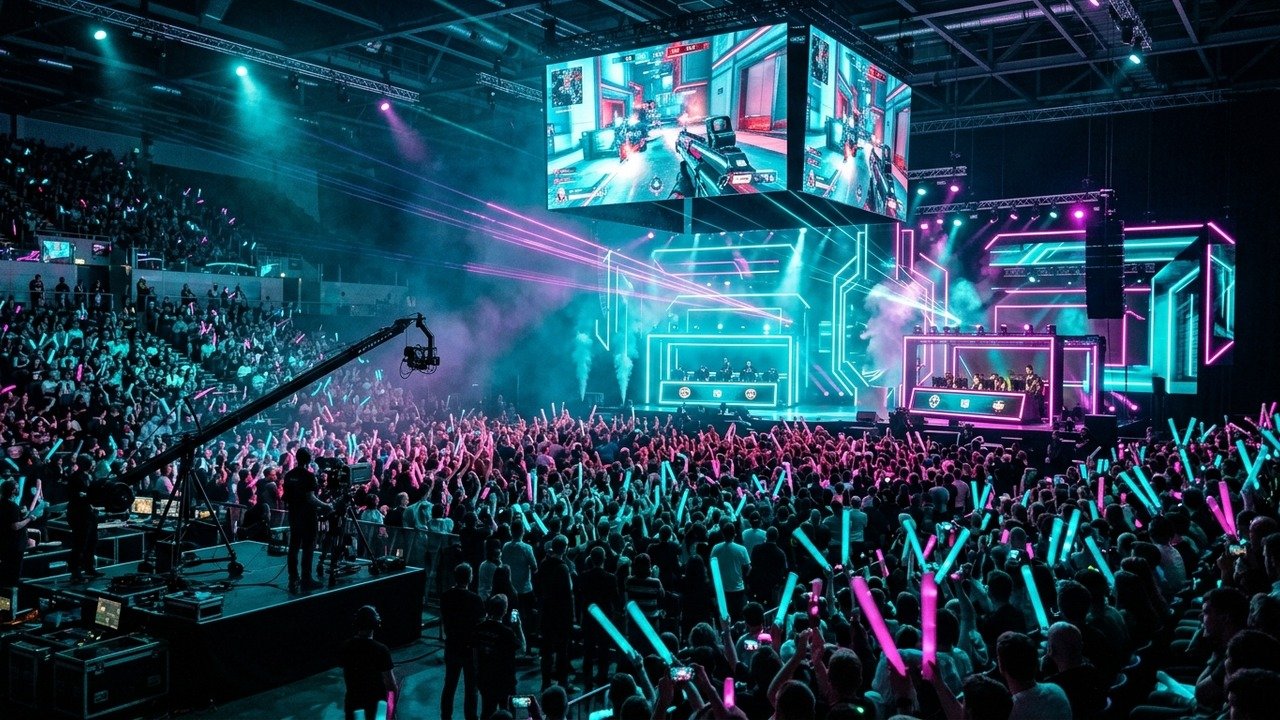
The corporate financing of competitive gaming has undergone a profound transformation, and our comprehensive global esports sponsorship report 2026 evaluates organizational valuations, creator-led franchise models, and the accelerating influx of non-endemic commercial partners. As traditional tech-hardware subsidies plateau, multinational automotive, banking, and luxury lifestyle brands are deploying sophisticated marketing capital to reach younger, cord-cutting audiences.
Furthermore, the metrics defining successful esports partnerships have shifted dramatically over the past 24 months. Brands are no longer content with passive jersey logo exposure that yields dubious conversion rates. Instead, the modern standard demands interactive digital integrations, bespoke co-streaming activations, and influencer-led content storytelling that bridges the chasm between professional esports and viral creator culture.
📊 Executive Briefing: The Commercial Evolution of Tier-1 Esports Orgs
Non-endemic brand investment has surged by 24.6% year-over-year, led by premium automotive giants (BMW, Mercedes-Benz, Audi) and fintech payment platforms integrating directly into digital team store checkouts.
Market Benchmark: Creator-backed franchises such as Karmine Corp, Sentinels, and Moist Esports command up to 3.2x higher sponsor engagement rates compared to legacy venture-backed organizations with cold corporate personas.
Global Team Valuation & Revenue Stream Matrix
Below is our analytical evaluation of the world’s most commercially valuable esports organizations, examining primary revenue distribution and dominant sponsor sectors:
The Co-Streaming Revolution: Rewriting Commercial Airtime
Official tournament broadcasts are no longer the exclusive destination for competitive viewers. During major international finals in League of Legends, Valorant, and Counter-Strike 2, community co-streamers command between 35% and 55% of total peak concurrent viewership. Brands that incorporate dynamic digital sponsor overlays onto popular creator streams are generating measurable click-through rates that dwarf conventional linear sports broadcasts.
This decentralized audience dynamic mirrors the modern commercial shifts explored in our European sponsorship market properties report, where localized cultural relevance beats generalized mass-market branding.
Integration of Digital Merchandise and Virtual Economies
In addition to direct cash sponsorships, forward-thinking brands are negotiating virtual product placement inside games. From custom weapon skins to interactive branded metaverse stadiums, the convergence of digital goods and brand storytelling provides organizations with recurring revenue margins exceeding 70%.
To contextualize these digital gaming valuations alongside global sporting properties, readers can examine our comparative analysis of FIFA World Cup commercial briefing and kit sponsorships.
In summary, the esports sponsorship landscape in 2026 has matured into a data-driven commercial powerhouse. Organizations that fuse elite competitive performance with authentic creator storytelling are attracting long-term, multi-million dollar commitments that secure their financial future.
Fintech, Digital Banking, and High-Yield Payment Integrations
While early esports sponsorships were dominated by PC peripherals and energy drinks, the fastest-growing commercial sector in 2026 is fintech and digital banking platforms. Multinational neo-banks and mobile payment solutions are aggressively partnering with esports organizers to capture tech-savvy Gen-Z consumers opening their first checking and investment accounts.
These partnerships extend far beyond passive banner ads. For example, brands are embedding direct one-click checkout solutions into official team digital stores, offering fans exclusive in-game cosmetics and merchandise discounts when using co-branded debit cards. This tangible conversion mechanism provides sponsors with clear, verifiable return on marketing investment.
The Regional Divergence: APAC Boom vs Western Lean Operations
A notable trend highlighted in our report is the divergence between Western and Eastern commercial markets. While North American and European organizations have adopted disciplined, lean operational models, Asian markets—specifically South Korea, China, and Saudi Arabia—continue to see massive corporate and state-backed investments.
In South Korea, blue-chip conglomerates like SK Telecom and Hanwha Life view their esports teams as flagship corporate branding assets, ensuring stable multi-million dollar annual budgets. To understand how these regional dynamics impact global sports properties, explore our European esports market and sponsorship properties guide.
Actionable Takeaways for Brands Entering the Esports Ecosystem
For corporate marketing executives contemplating esports sponsorships in 2026, the playbook has changed: prioritize authentic creator partnerships over sterile stadium banners, insist on multi-platform digital attribution metrics, and design interactive community activations that reward viewers with exclusive in-game digital assets. Organizations that align with culturally connected, creator-led teams will unlock passionate global fan engagement that traditional advertising simply cannot replicate.
The Future of Esports Partnerships: Interactive Commerce and Web Integrations
Looking ahead to the remainder of 2026 and 2027, the line between entertainment and instant commerce will continue to blur. Esports organizations that offer seamless, automated in-stream purchasing, verified audience telemetry, and high-impact digital merchandise collaborations will command premium sponsorship pricing across all global markets.