The International has concluded in breathtaking fashion, and our comprehensive Dota 2 TI 2026 Meta Report breaks down how professional captains navigated hero facets, tournament win rates, and objective-centric teamfight strategies to claim the coveted Aegis of Champions. From Team Spirit’s legendary late-game macro recoveries to Gaimin Gladiators’ relentless early-game tower sieges, TI 2026 delivered an evolutionary milestone in competitive MOBA drafting. Players looking for Valve tournament context can also reference our Valve Premier Esports Tournament Guide for international competitive analysis.
Ringmaster Pro Debut: Crown Control and Tournament Win Rates
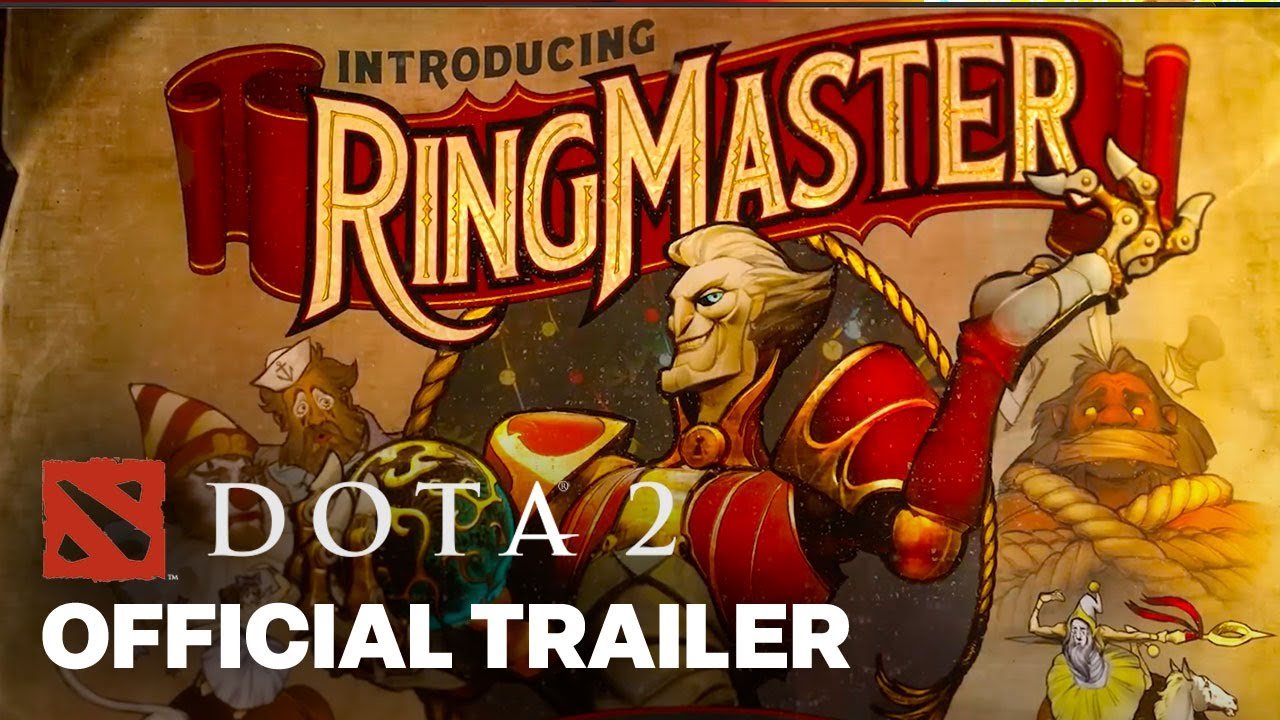
First and foremost, the most scrutinized dynamic of the entire world championship was the competitive debut of Valve’s latest hero, Ringmaster. Operating primarily as a Position 4 roaming support, Ringmaster shattered expectations by recording an extraordinary 59.2% tournament win rate across 49 contested main-stage matches. Pro captains quickly realized that Ringmaster’s signature ultimate, Wheel of Wonder, acts as an inescapable crowd-control disruption tool that forces enemy cores into buying early Black King Bars (BKB).
Furthermore, Ringmaster’s second ability, Escape Act, provided invaluable defensive utility during chaotic high-ground defenses. By encasing allied hard carries inside an invulnerable mobile box that grants bonus magic resistance and phased movement, supports systematically negated enemy initiation ultimates from Faceless Void, Beastmaster, and Batrider.
Hero Facet Synergies: Redefining Competitive Identity
Another monumental pillar explored within our Dota 2 TI 2026 Meta Report is the transformative impact of hero facets introduced in recent major gameplay patches. Unlike traditional talent trees that only activate at specific level milestones, facets modify a hero’s fundamental kit from minute zero, enabling coaches to tailor picks directly against opponent team compositions.
For instance, Sand King’s “Dust Devil” facet—which allows Sandstorm to follow the hero’s movement while delivering continuous pulsing stuns—turned the desert scorpion into an unkillable offlane juggernaut. Teams drafting Sand King alongside mobile frontline initiators consistently dominated mid-game teamfights around the Roshan pit, using continuous AoE magic damage to melt opposing support backlines.
Similarly, Windranger’s “Whirlwind” facet transformed Focus Fire into a lethal multi-target barrage. Rather than locking exclusively onto a single target, Windranger players shreds through multiple clustered enemies simultaneously during Black Hole or Chronosphere setups, providing immense hypercarry teamfight insurance.
The 20-Minute Tormentor & Roshan Banner Dynamics
In modern high-level Dota 2, macro games are won or lost around the neutral objective calendar. Teams that master the 20-minute Tormentor timing gain a colossal economic advantage. Killing the Tormentor grants a free Aghanim’s Shard worth 1,400 gold to one of the lowest net-worth supports, accelerating power spikes without sapping farming resources from position 1 and 2 cores.
Moreover, the strategic value of the Roshan Banner cannot be overstated. When pushed into enemy high-ground tier-three towers, planting the Roshan Banner buffs allied creeps with massive armor and damage resistance. This completely negates conventional wave-clearing spells from heroes like KotL or Sniper, forcing defenders to physically expose themselves outside their base walls.
Pub Meta Translation: How to Apply TI Strategies in Ranked
For competitive pub players aiming to climb the MMR ladder, following pro tournament conventions yields rapid ranking dividends:
- First-Pick Ringmaster Priority: Secure Ringmaster early to deny opposing drafts access to the highest-win-rate support disabler in the current patch.
- Blink Dagger Discipline: Offlaners should rush Blink Dagger prior to 14 minutes, immediately organizing smoke ganks into enemy triangle camps.
- Lotus Pool Clockwork: Control lotus pools at the 3, 6, and 9-minute marks to maintain infinite sustain in side lanes without courier transit delays.
- BKB Timing Patience: Carry players must complete Black King Bar as their second major item; delaying BKB past 25 minutes leads to instant teamfight losses against pro-tier chain stuns.
Closing Thoughts: The Future of Competitive Dota 2
In conclusion, the Dota 2 TI 2026 Meta Report illustrates a flourishing, strategically diverse competitive landscape where tactical innovation and facet adaptability triumph over rigid orthodoxy. As teams enter the post-TI reshuffle, the lessons forged in the fire of The International will shape competitive Dota 2 for years to come.
Frequently Asked Questions: Dota 2 TI 2026 Meta Report
Q: What made Ringmaster so dominant in the Dota 2 TI 2026 Meta Report?
A: Ringmaster’s Wheel of Wonder forces opposing cores into buying early Black King Bars, while Escape Act provides an invulnerable mobile save that negates enemy initiation spells effortlessly.
Q: Why is the 20-minute Tormentor timing considered mandatory by pro captains?
A: Slaying the Tormentor awards a free Aghanim’s Shard worth 1,400 gold directly to an under-farmed support, accelerating teamfight item spikes without starving hard carries of lane farm.
Q: How do Hero Facets influence early-game lane phases?
A: Facets activate at minute zero, granting unique stat passive modifications that allow teams to tailor individual hero performance against specific lane counters.