
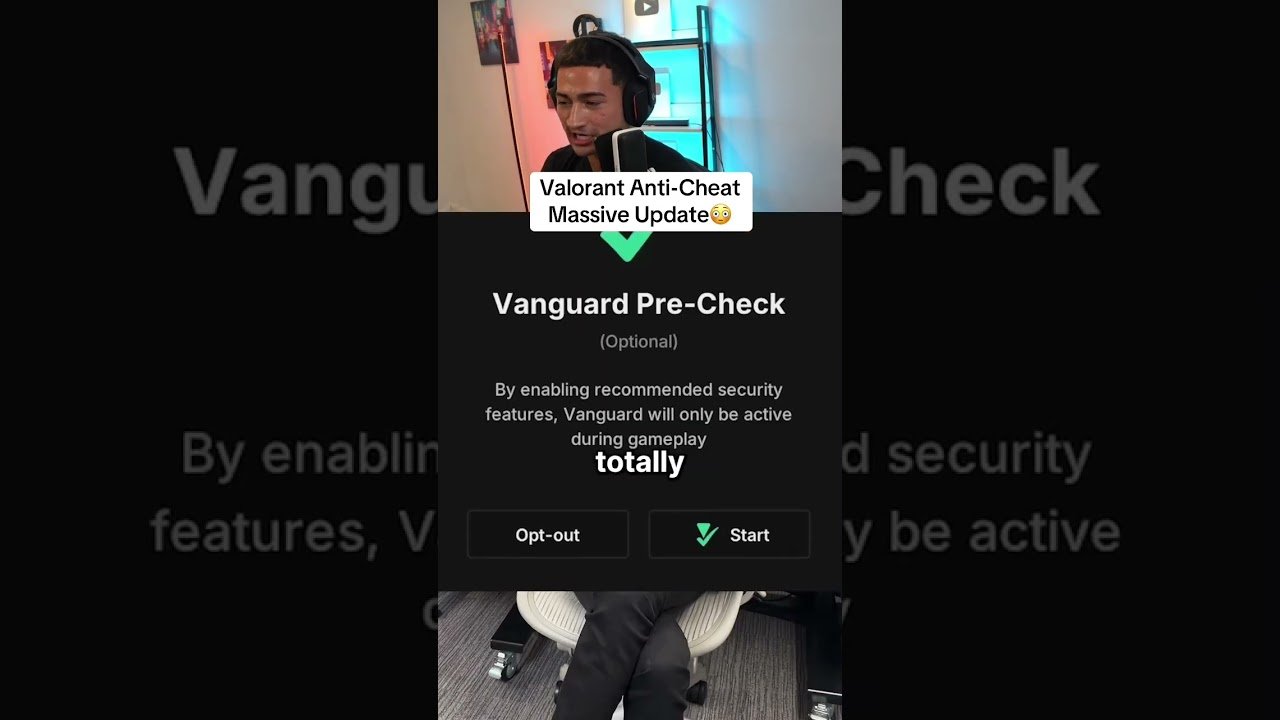
The clandestine technological arms race between commercial game publishers and multi-million-dollar illicit cheat developers has escalated to the deepest levels of computer hardware architecture, and our exhaustive Riot Vanguard vs Ricochet Anti Cheat Analysis investigates how modern security software defends the integrity of competitive multiplayer gaming. Gone are the days when malicious software consisted of simple memory-editing executables. Today, commercial cheat operations utilize custom PCIe hardware cards, hypervisor virtualization, and signed kernel-mode drivers to bypass traditional security detection.
The Operating System Privilege Hierarchy: Ring 3 vs Ring 0
First and foremost, understanding modern anti-cheat systems requires familiarizing oneself with CPU privilege levels (Rings). User applications, web browsers, and traditional video game clients execute within “Ring 3” (User Mode). However, the operating system core, hardware controllers, and critical system drivers reside within “Ring 0” (Kernel Mode). If an illicit cheat program loads as a kernel driver before the game client initializes, it possesses unrestricted administrative authority to conceal its memory signatures from any user-mode anti-cheat scanner.
The Rise of DMA Hardware Cheats: Bypassing the CPU
As kernel-level anti-cheat drivers grew increasingly aggressive, cheat syndicates pivoted toward Direct Memory Access (DMA) hardware. In a DMA setup, the cheater installs a modified PCIe development board (often utilizing Squirrel or LeetDMA firmware) directly into the motherboard of their primary gaming PC. A secondary laptop connects to the DMA card via USB-C or thunderbolt data cables.
Because PCIe controllers possess native direct memory reading capabilities, the secondary laptop reads the primary gaming PC’s RAM in real time, calculating enemy player coordinates and rendering an overlay radar on a second monitor without running a single line of foreign software code on the actual gaming machine. This renders user-mode memory scanners completely blind to the exploit.
Vanguard’s Hardware Defense: Mandatory IOMMU & TPM 2.0
To combat this sophisticated hardware vector, Riot Games enforced strict hardware security prerequisites. By requiring TPM 2.0 (Trusted Platform Module) and UEFI Secure Boot, Vanguard verifies that the Windows kernel has not been tampered with by custom hypervisors. Furthermore, by enforcing IOMMU (Input-Output Memory Management Unit) virtualization in the PC BIOS, the system restricts PCIe devices from reading arbitrary physical memory addresses without explicit operating system authorization, effectively neutralizing unauthorized DMA snooping.
Ricochet’s In-Game Psychological Traps
Meanwhile, Activision’s Ricochet anti-cheat takes a distinct behavioral approach. Rather than immediately banning detected cheaters, Ricochet implements humiliating in-game mitigations: “Damage Shield” reduces the cheater’s bullet damage to zero, “Cloaking” renders legitimate players completely invisible to the cheater, and “Disarm” forcibly removes the cheater’s weapons mid-gunfight. This psychological warfare frustrates exploiters while gathering telemetry data on cheat seller signatures.
- Weapon Tuning Integration: See how legitimate recoil control balances competitive lobbies in our Black Ops 6 Terminus Easter Egg Guide.
- Warzone Meta Stability: Compare tactical loadout balancing across battle royale in our Warzone Season 6 Meta Loadouts.
Security Architecture Verdict
In conclusion, while kernel-level anti-cheat drivers provoke legitimate privacy debates, they remain an indispensable technical necessity in the modern PC gaming landscape. Without deep hardware-level protections like Riot Vanguard, competitive online shooters would succumb entirely to commercial hardware exploit syndicates.
Related posts:
 Mouse Sensitivity Converter
 Warzone Season 6 Resurgence Meta Loadouts: Best DTIR 30-06 & Superi 46 Class Setups
 CS2 Sub-Tick vs Valorant 128-Tick vs Call of Duty 60Hz: An In-Depth Packet Loss, Latency & Hit Registration Investigation
 Black Ops 6 Mastery Camo Grind Guide: Dark Spine & Nebula Unlock Requirements, Headshot Hacks & Fast XP