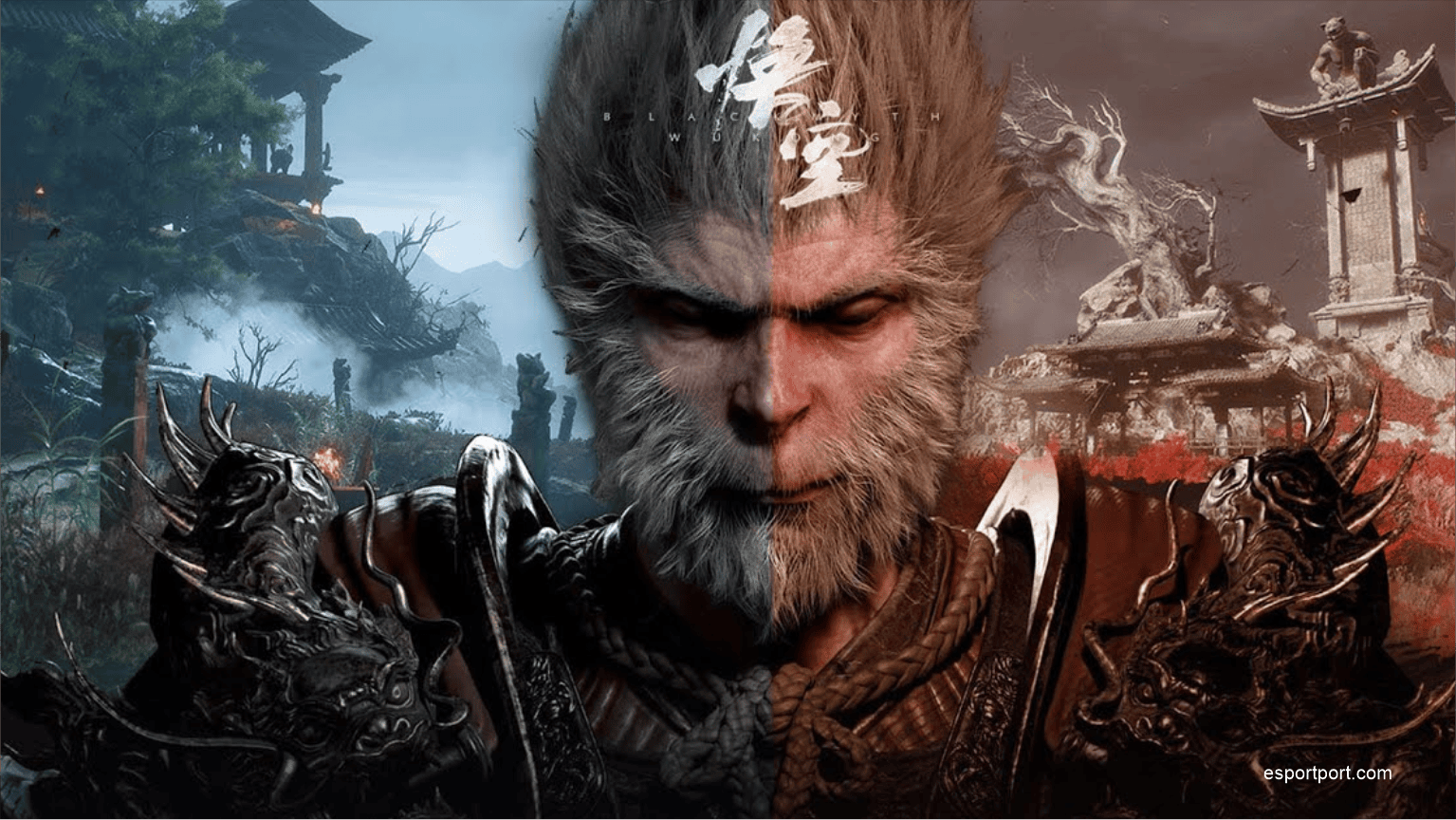
When Game Science released Black Myth: Wukong, they did more than just launch a successful video game; they violently shattered the glass ceiling of the global AAA gaming industry. By proving that a Chinese development studio could deliver a single-player, narrative-driven action RPG that could rival the sales metrics of Western titans like Elden Ring or God of War, they permanently shifted the center of gravity in the gaming world.
During the recent Gamescom Opening Night Live, the industry held its breath as Game Science revealed the highly anticipated follow-up: Black Myth: Shan Koi. While many analysts expected a safe, iterative sequel, the gameplay reveal showcased a product that is structurally and tonally distinct from its predecessor.
Today, our analyst desk is breaking down the telemetry of the Shan Koi gameplay trailer. We are analyzing the complete abandonment of the staff in favor of a sword, the introduction of a highly punishing parry system, and what this grittier tone means for the global action-RPG market.
Part I: The Combat Paradigm Shift (Staff vs. Sword)
The core mechanical identity of Black Myth: Wukong was built entirely around the staff. The staff offered sweeping, area-of-effect (AoE) crowd control, acrobatic stance dancing, and a relatively forgiving engagement distance. It allowed players to maintain a fluid, almost rhythmic dance around massive mythological bosses.
Black Myth: Shan Koi completely violently dismantles that comfort zone.
The protagonist in the newly revealed footage exclusively utilizes a Jian (a traditional Chinese double-edged straight sword). This is not merely a cosmetic change; it fundamentally alters the “hitbox” physics and spatial awareness required to play the game. The Jian demands extreme close-quarters engagement. Our frame-by-frame analysis of the combat trailer indicates that the player must remain within striking distance of the enemy at all times to maintain offensive pressure.
By removing the reach of the staff, Game Science is forcing players into a claustrophobic, high-tension combat loop where dodging backward is no longer a viable defensive strategy.
Part II: The Deflection and Parry Economy
To compensate for the extreme close-quarters nature of the sword, Black Myth: Shan Koi introduces a dedicated, high-risk parry system. If Wukong was mechanically similar to the dodge-heavy combat of Bloodborne, Shan Koi is aggressively adopting the posture-breaking philosophy of Sekiro: Shadows Die Twice.
Frame Data and Posture Mechanics
In the trailer, we observe the protagonist successfully deflecting a flurry of attacks from a massive, heavily armored Yaoguai (demon). When a perfect parry is executed, a distinct audio cue triggers, and the enemy’s “Posture Bar” (a new UI element temporarily visible in the debug footage) sustains heavy damage.
| Mechanical Element | Black Myth: Wukong (The Past) | Black Myth: Shan Koi (The Future) |
|---|---|---|
| Primary Defensive Tool | Perfect Dodge (Invincibility Frames) | Perfect Parry (Frame-perfect deflections) |
| Combat Pacing | Hit-and-Run / Ability Cooldown reliant | Relentless close-quarters aggression |
| Punishment Mechanic | Immobilize spell leading into heavy combos | Breaking enemy posture for critical visceral strikes |
However, the parry window appears to be incredibly tight—likely operating on a 6-to-8 frame activation window (assuming a 60fps performance mode). If the player misses the parry, the resulting “chip damage” taken through a standard block is severe. This confirms a much steeper difficulty curve designed explicitly for hardcore “Soulslike” veterans.
Part III: Unreal Engine 5.4 and the Grittier Tone
Beyond the combat mechanics, the most striking element of the Gamescom reveal was the radical shift in art direction. Wukong was heavily saturated, featuring vibrant, mystical environments that felt pulled directly from the pages of Journey to the West.
Shan Koi adopts a brutally grim, desaturated aesthetic. The trailer showcased rain-slicked battlefields littered with corpses, rotting temples, and character designs leaning heavily into dark fantasy horror.
The Nanite and Lumen Evolution
To achieve this atmospheric density, Game Science is fully utilizing the latest iteration of Unreal Engine 5.4. The integration of “Lumen” global illumination means that every spark from a sword clash physically reacts with the surrounding environment in real-time. The “Nanite” virtualized geometry allows for unprecedented environmental detail—mud physically deforms under the weight of the boss’s footsteps, and the protagonist’s robes react dynamically to the wind and rain.
By utilizing this cutting-edge rendering technology, Game Science is not just competing with Western developers; they are actively setting the new benchmark for graphical fidelity in the action-RPG space.
Part IV: The Global Market Impact
The reveal of Black Myth: Shan Koi sends a very clear message to the gaming industry: the success of Wukong was not a fluke. The Chinese AAA market has officially matured. With massive financial backing from Tencent and a proven development pipeline, Game Science is establishing a new cinematic universe based on Chinese mythology that rivals the cultural impact of The Witcher or Assassin’s Creed.
For players, the transition from staff to sword represents a thrilling mechanical evolution. By stripping away the safety nets and forcing players into brutal, frame-perfect duels, Shan Koi is poised to be one of the most mechanically demanding and visually stunning games of the decade.
🚨 Elevate Your Gaming Intelligence
Join the EsportPort Network
Are you ready for the brutal new parry system in Shan Koi? Bookmark EsportPort for premium, frame-by-frame gameplay analysis, boss guides, and the fastest breaking news in the AAA gaming sector.