
Rockstar Games has fundamentally reimagined open-world law enforcement simulation in Grand Theft Auto VI, transitioning from the rapid-teleportation mechanics that characterized previous franchise installments to a hyper-realistic, systemic emergency response ecosystem across the state of Leonida. Building upon proprietary artificial intelligence patents and machine-learning behavioral trees developed across a decade of post-Red Dead Redemption 2 engineering, GTA 6 transforms police chases from arcade shooting sprees into tense, tactical evasion encounters where situational awareness, vehicle concealment, and forensic evidence tracking dictate player survival.
In previous Grand Theft Auto titles, committing a crime often prompted instantaneous law enforcement materialization just off-camera, shattering player immersion and limiting strategic evasion. In the vibrant neon sprawl of Vice City and the treacherous wetlands of the Leonida Keys, the police AI functions as a living municipal network governed by line-of-sight witnesses, emergency dispatch response travel times, automated license plate readers, and multi-agency jurisdictional handoffs that dynamically escalate across five redesigned Wanted Star tiers.
The Anatomy of Leonida Law Enforcement: Dispatch Delays and Witness AI
The core breakthrough in GTA 6’s police framework is the introduction of authentic dispatch latency. When protagonists Lucia and Jason discharge an unsuppressed firearm or breach a commercial vault, local NPCs do not instantaneously summon law enforcement through telepathic links. Instead, bystanders react organically based on their individual courage ratings—fleeing in terror, seeking cover behind vehicles, or dialing 911 via their smartphones. If players eliminate witnesses or jam cellular communications before a call connects to dispatch, no Wanted Level is registered.
Once a 911 call connects, players are granted a dynamic response window ranging from forty-five seconds to two full minutes depending on geographic location. Committing an armed robbery in downtown Vice City triggers rapid response units from the Vice City Police Department (VCPD), while criminal operations in rural Ambrosia or the outer marshes require state troopers or county sheriffs to physically navigate highway networks. Furthermore, police units communicate via an authentic dispatch radio frequency audible on the player’s HUD, transmitting accurate descriptions of the suspects’ clothing, getaway vehicle make, color, and last observed heading.
| Wanted Star Level | Law Enforcement Agency | Tactical Response & Assets | Evasion & Dispersal Mechanics |
|---|---|---|---|
| 1 Star (Misdemeanor / Minor Assault) | Local Municipal Police (VCPD / County) | Patrol officers attempt verbal submission and verbal detention; non-lethal tasers | Break immediate line-of-sight; leave perimeter area on foot or vehicle without speeding |
| 2 Stars (Armed Robbery / Vehicle Theft) | VCPD Patrol & Traffic Interceptors | Aggressive pursuit cruisers; rolling PIT maneuvers; spike strip deployments | Respray vehicle at chop shop; switch vehicles in unmonitored alleys; ditch clothing |
| 3 Stars (Officer Down / High-Speed Pursuit) | Leonida Highway Patrol & Tactical Units | Helicopter spotlights with FLIR thermal imaging; highway roadblock cordons; K-9 tracking | Hide inside parking garages; navigate subterranean metro tunnels; utilize EMP scramblers |
| 4 Stars (Terroristic Acts / Bank Heists) | VCPD SWAT & Tactical Response Team | Armored BearCat vehicles; sniper perches; tear gas dispersion; tactical breaching charges | Escape county borders; utilize high-speed watercraft into international waters |
| 5 Stars (Statewide Emergency Threat) | State Tactical Special Forces & Federal Agents | Paramilitary barricades; attack choppers; air-exclusion zones; live military asset cordons | Enter fortified safehouses with bribed state officials; pay exorbitant black-market bail bonds |
Advanced Tactical AI: Flanking, Canine Units, and Roadblock Cordons
Once engaging suspects at three stars and above, the Leonida police AI displays sophisticated combat squad coordination. Rather than charging directly down open corridors, tactical squads establish suppressive fire sectors while specialized breach units flank around perimeter structures. If players barricade themselves inside interiors such as convenience stores or suburban motels, law enforcement surrounds the perimeter, deploying tear gas canisters and flashbangs through windows before sending in K-9 units to root out hidden targets.
Vehicle pursuits have received an equivalent overhaul. AI interceptors communicate to execute coordinated box-in maneuvers, driving suspects toward pre-established roadblocks reinforced by reinforced concrete barriers, tire-shredding spike strips, and armored transport vehicles. Helicopters operate with advanced night-vision spotlights and thermal FLIR optics that penetrate dense foliage in the Everglades, forcing players to actively seek covered tunnels, multi-level parking structures, or bridges to escape airborne radar sweeps.

Vehicle Forensics, Plate Readers, and Dynamic Safehouse Heat
Evading the law in GTA 6 does not simply erase criminal accountability the moment the HUD minimap stops flashing. Rockstar has implemented an innovative vehicular forensic tracking mechanic. When escaping in a stolen vehicle, automated highway surveillance cameras and patrol car dashcams record the vehicle’s license plate number and visual profile. If players cruise past law enforcement in the same tagged vehicle—even hours after shaking a pursuit—officers will cross-reference the plate against the state stolen-vehicle database, triggering an immediate two-star pursuit.
To permanently shed heat, players must visit underground chop shops to alter license plates, apply fresh vinyl wraps, or abandon the getaway vehicle entirely in secluded bayous. Furthermore, lingering criminal records create active arrest warrants in specific counties. If Lucia is identified on CCTV committing a high-profile heist in Vice Beach, entering that specific municipal district with a high local notoriety score will cause beat cops to recognize her on the street, mirroring the gritty criminal underworld depicted across our GTA 6 hardware and cultural impact reports.
| Law Enforcement System | GTA V Legacy Implementation | GTA 6 Next-Gen System |
|---|---|---|
| Police Spawn Mechanism | Instant off-camera teleportation behind player | Physical travel from stations, patrol routes, or motor pools |
| Witness & Crime Reporting | Instant global psychic notification to cops | NPC line-of-sight, phone calls, physical 911 latency |
| Wanted Stars Scaling | 1 to 5 Stars (Military at 5 Stars in early editions) | 1 to 5 Stars with multi-jurisdictional agency escalation |
| Vehicle Identification | Color respray instantly removes stars if unseen | Forensic plate tracking, automated cameras, VIN registration |
| Canine & Aerial Tracking | Basic helicopter spotlights | Thermal FLIR cameras, K-9 scent tracking in brush and wetlands |
Bounty Hunters and the Underground Bail System
In addition to municipal and state police agencies, GTA 6 introduces independent licensed bounty hunters and private security cartels contracted by wealthy Vice City oligarchs. If players steal valuable assets or assassinate prominent figures, private bail bondsmen will dispatch covert mercenaries equipped with unmarked sports cars, silenced weaponry, and long-range surveillance drones to ambush players during routine free-roam activities.

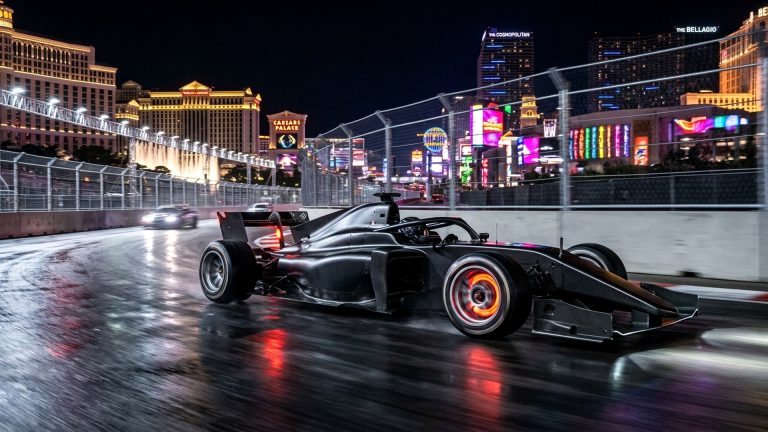
To survive in Leonida’s unforgiving criminal landscape, players must master the intricate balance between loud firepower and calculated stealth. By offering an unprecedented degree of systemic depth, Rockstar Games is setting a monumental technical benchmark for the video game industry, elevating GTA 6 beyond an action playground into a breathtaking living simulation of modern crime and punishment.
Dynamic Weather Systems and Environmental Pursuit Hazards
Leonida’s volatile subtropical climate directly influences law enforcement tactics during high-speed chases. GTA 6 incorporates a sophisticated dynamic weather engine where tropical thunderstorms, torrential downpours, and hurricane-force gale winds alter vehicular traction and aerial visibility. During severe storm events, police helicopters are grounded due to turbulent crosswinds, offering players a natural window to evade radar detection. However, flooded coastal boulevards and hydroplaning hazards equally threaten fleeing suspects, requiring immaculate throttle control through torrential squalls.
Frequently Asked Questions About GTA 6 Police AI
How does the new Wanted Level system work in GTA 6?
The Wanted Level system operates across five stars with authentic police response delays. Officers physically dispatch from stations rather than spawning out of thin air, and response times vary depending on whether the crime occurs in urban Vice City or rural Leonida counties.
Can you prevent police from being summoned in GTA 6?
Yes, players can prevent police notification by eliminating witnesses before they complete 911 calls, using suppressed firearms, destroying surveillance cameras, or utilizing electronic scramblers to block emergency communications.
Do police track vehicles through license plates in GTA 6?
Yes, highway automated license plate readers and police patrol dashcams register getaway vehicles. Driving a reported vehicle past law enforcement will instantly trigger a pursuit unless players change plates, repaint the car, or switch vehicles.
Are military forces involved at 5-Star Wanted Levels?
At 5-star levels, Leonida deploys state tactical special response units, heavily armored BearCat transports, aerial surveillance helicopters with thermal FLIR tracking, and heavily armed perimeter cordons rather than conventional infantry tanks.
Related posts:
 Warzone & Modern Warfare 3 Pro Omnimovement & Audio Hacks: Loudness Equalization, Controller Deadzone Curves & 240Hz Competitive PC Settings
 Sonic Pico Park, Hands Over & Derelikt Lead Nov 12–13 Steam Co-Op Wave While PC Gamers Wait for GTA 6
 AMD Ryzen 7 9800X3D Stock Shortages & Scalper Prices: 3D V-Cache Gaming Benchmarks vs Intel Core Ultra 9 285K
 Dota 2 Blast Slam Season 1 Copenhagen Playoffs: Patch 7.37e Meta Rework, Kez Carry Viability, and Team Falcons vs BetBoom Clash
