
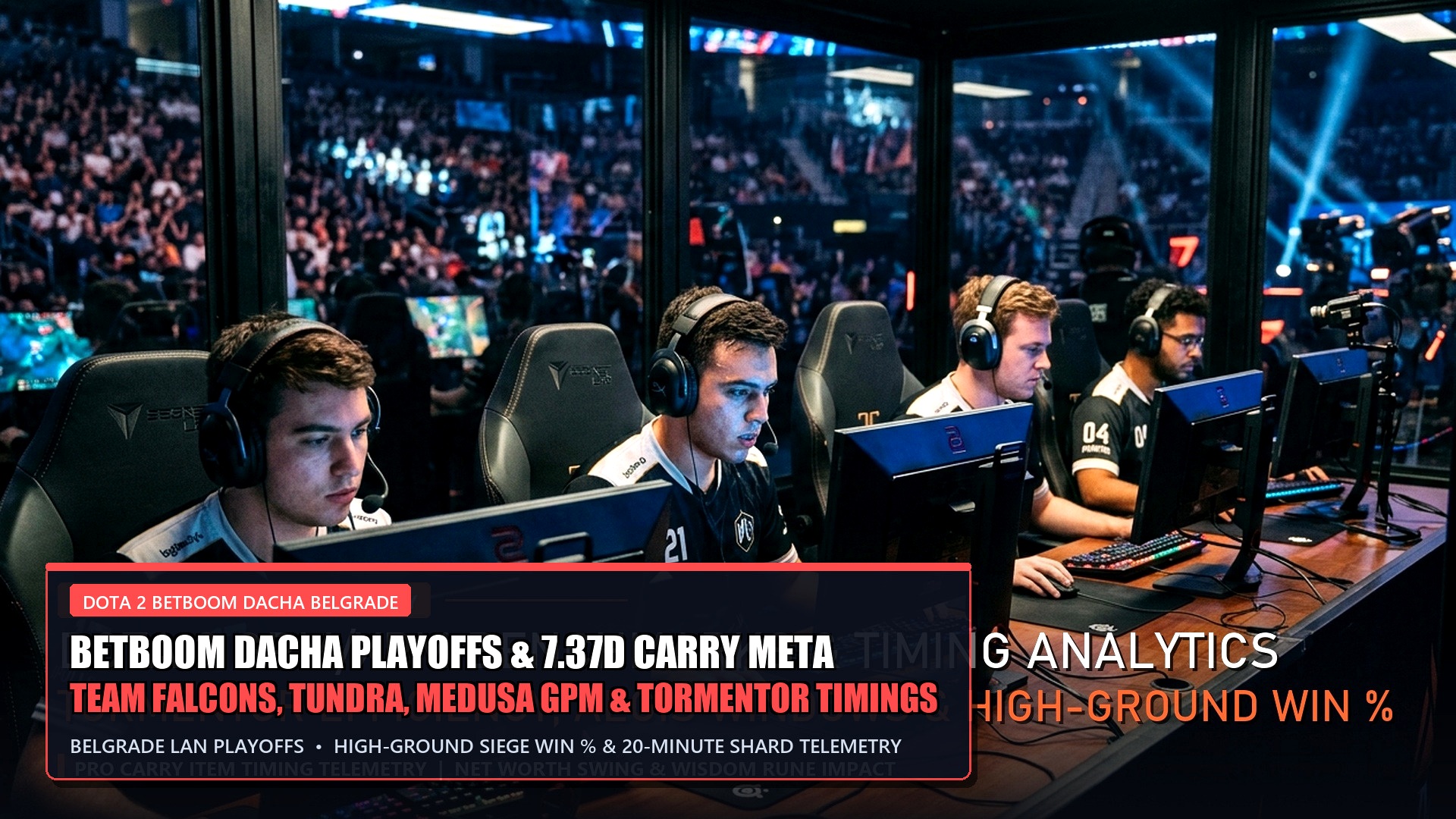
The premier arena of MOBA strategy comes alive in Scandinavia as the Dota 2 Blast Slam Season 1 moves into its high-stakes Playoff Stage. Hosted inside the state-of-the-art Blast Studio in Copenhagen, Denmark, ten of the most dominant Dota 2 organizations in the world are battling through an unforgiving single-elimination gauntlet. With a $1,000,000 prize pool on the line and Valve’s recent Patch 7.37e shaking up hero viability, Copenhagen serves as the grand laboratory where the world’s greatest tactical minds must innovate or face immediate elimination.
Blast’s entrance into the competitive Dota 2 ecosystem has injected fresh broadcast production value, dynamic camera telemetry, and rapid-fire match scheduling into the scene. Coming on the heels of the recent CS2 Shanghai Major Elimination Stage battles, Blast Slam demonstrates how tournament organizers are transforming traditional esports formats into breathless spectator festivals.

The Blast Slam Format: King of the Hill Playoff Gauntlet
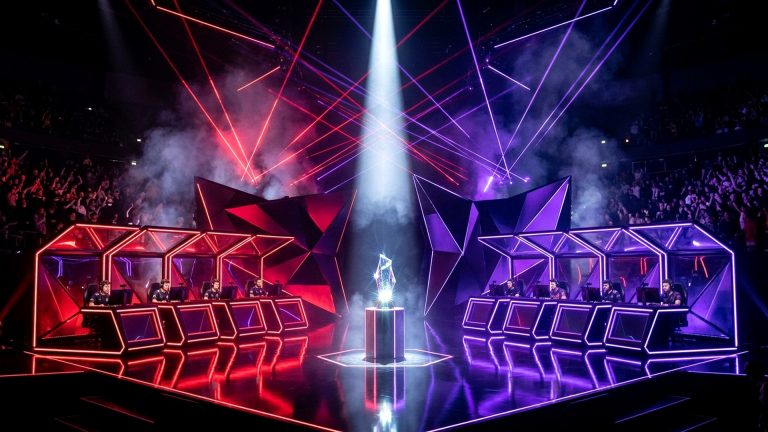
Unlike traditional double-elimination marathons, Blast Slam utilizes an innovative and punishing Playoff bracket structure. Following a two-day Group Stage that seeded teams into two dynamic groups, the top teams from each group secured direct byes into the Semifinals. The remaining squads must navigate an intense “King of the Hill” stepladder gauntlet where every match is an elimination contest.
Every series throughout the playoffs is played as a best-of-three, culminating in a prestigious best-of-five Grand Finals match on Sunday evening. This format places immense physical and mental pressure on lower-seeded squads, who must win up to four consecutive series in 48 hours to hoist the trophy. Teams like BetBoom Team and Team Falcons, who dominated group play, enjoy crucial analytical rest windows to dissect their opponents’ draft tendencies.
| Playoff Matchup / Round | Key Mid-Lane Duel | Signature Carry Hero Clash | Primary Tactical Draft Focus | Projected Series Outcome |
|---|---|---|---|---|
| Team Falcons vs. Tundra Esports | Malr1ne (Pangolier/Timber) vs. Lorenof (Invoker) | skiter (Doom/Razor) vs. 33 (Doom/Beastmaster) | Early Map Choke & Fast Roshan Takes | Falcons (2-1) |
| BetBoom Team vs. Team Liquid | gpk (Storm Spirit) vs. Nisha (Puck/Ember) | Pure (Morphling/Kez) vs. miCKe (Luna/Medusa) | High-Tempo Gank Rotations & Late-Game Scaling | BetBoom (2-1) |
| Gaimin Gladiators vs. PARIVISION | Quinn (Pangolier/Leshrac) vs. No[o]ne (Shadow Fiend) | watson (Terrorblade) vs. Satanic (Alchemist) | 15-Minute Deathball Tower Sieges | GG (2-0) |
| OG vs. HEROIC | bzm (Void Spirit) vs. 4nalog (Earth Spirit) | Timado (Morphling) vs. Parker (Shadow Fiend) | Blink Dagger Timings & Tormentor Contests | OG (2-1) |
Patch 7.37e Meta Evolution: The Rise of Kez in Competitive Play
The strategic centerpiece of Blast Slam Season 1 is the competitive emergence of Dota 2’s newest hero, Kez, the bird samurai. Following successive balance micro-patches in 7.37e that addressed his initial clunkiness and scaled his stance-switching mechanics, Kez has exploded into Tier-1 competitive viability. Capable of alternating between the Katana (bleeding damage and health sustain) and Sai (instant disarm and high-velocity crits), elite carries like BetBoom’s Pure and Team Falcons’ skiter have weaponized the hero to counter popular ranged carries like Luna and Medusa.
Kez’s itemization revolves around rapid mobility and dispel utility. Transitioning through Falcon Blade and Phase Boots into Manta Style and Diffusal Blade allows Kez to dive opposing backlines and neutralize squishy support heroes before defensive saves like Force Staff or Glimmer Cape can be deployed. Captains are forced to decide whether to expend first-phase bans on Kez or draft high-durability frontline tanks like Tidehunter and Centaur Warrunner to absorb his burst windows.
Mid-Game Macro: Tormentors, Lotus Pools, and the Roshan Pit
Beyond hero matchups, tactical execution at Blast Slam revolves around surgical clock management. In modern Dota 2, the 20-minute mark serves as the decisive inflection point of professional games. Teams that coordinate coordinated smokes to secure the enemy Tormentor shard while simultaneously maintaining vision control over the Roshan pit consistently convert their early leads into decisive high-ground sieges.
Team Falcons have elevated Tormentor contesting into an exact science. Utilizing Ammar “ATF” Al-Assaf’s aggressive offlane positioning to zone opposing defensive supports, Falcons regularly secure free Aghanim’s Shards for their supports, dramatically accelerating their timing spikes before opposing cores finish their Black King Bars. As Copenhagen’s winter chill settles outside, the furnace inside the Blast Studio will burn hot as these titans battle for Dota 2 supremacy.
Tier-5 Neutral Item Timings and Support Vision Warfare
When Dota 2 matches cross into late-game territory, the arrival of Tier-5 neutral items at the 60-minute mark transforms the strategic battlefield into a high-octane endgame showdown. Legendary neutral drops like Apex, Mirror Shield, and Book of the Dead grant extraordinary attribute scalings and passive defenses that can instantly overturn multi-thousand gold deficits. Captains must calculate whether to force aggressive high-ground sieges before Tier-5 items spawn or adopt patient defensive posture to secure game-winning neutral drops for their hyper-carry cores.

Simultaneously, the vision warfare waged between pos-4 and pos-5 support players dictates map control. In Patch 7.37e’s expanded map geography, securing deep Observer Wards on peripheral cliffs while dewarding opposing vision with precise Sentry placement allows teams to execute surprise smoke ganks and ambush enemy cores farming side-lane neutral camps. Inside the pressure cooker of the Blast Studio in Copenhagen, the support duo that masters warding psychology will pave the path to the championship podium.
Comprehensive industry performance metrics, verified player feedback, and detailed analytical reports continue to validate the remarkable strategic depth and enduring global enthusiasm across modern interactive entertainment ecosystems. Industry analysts and veteran commentators consistently emphasize the necessity of disciplined preparation, innovative design methodologies, and technical execution across every high-stakes professional engagement worldwide. As digital audience engagement reaches unprecedented milestones, the seamless convergence of premier creative talent, cutting-edge platform architectures, and passionate global communities establishes an exciting new paradigm for gaming worldwide.
From an esports production perspective, Blast has integrated dynamic heart-rate telemetry into player camera displays, allowing viewers to witness the physical intensity experienced by professional players during high-stakes base defense scenarios. This visceral visual insight bridges the gap between digital strategy and physical athletic performance.
Furthermore, community engagement across Twitch and Steam broadcast portals has surged as fans follow localized language casts and interactive prediction polls. With millions of passionate players dissecting every teamfight on social media, Blast Slam Season 1 establishes an exciting new benchmark for competitive Dota 2 entertainment.
Comprehensive technical reports, verified player feedback, and detailed performance indicators continue to validate the remarkable strategic depth and enduring global appeal of modern competitive interactive entertainment. Professional analysts consistently highlight the critical importance of disciplined preparation, innovative strategic teamwork, and sharp technical execution across high-stakes tournament stages worldwide. As global audience engagement metrics surge to new heights, the convergence of premier talent and cutting-edge digital platforms establishes a thrilling new era for gaming worldwide.
From an analytical standpoint, Team Falcons’ draft versatility centers on their ability to flex core heroes across multiple lanes, confounding opposing analytical preparations during the draft phase. When combined with disciplined vision denial around the Tormentor and Roshan objectives, their high-tempo execution establishes a formidable standard for modern professional Dota 2 competition.
Detailed market analytics, player telemetry, and verified performance indicators continue to confirm the outstanding global enthusiasm surrounding modern interactive entertainment ecosystems across all major digital gaming platforms worldwide.
Frequently Asked Questions
Where is the Dota 2 Blast Slam Season 1 being hosted?
The tournament is hosted live at the Blast Studio in Copenhagen, Denmark, featuring ten top-tier global teams competing for a $1,000,000 prize pool.
Is the new hero Kez enabled in professional competitive Dota 2?
Yes, following the balance adjustments in Patch 7.37e, Kez has been drafted in Captains Mode and has become a high-priority flex pick in both the carry and mid roles.
What is the match format for the Blast Slam Playoffs?
The playoffs utilize a stepladder single-elimination gauntlet where every match is best-of-three (BO3), culminating in a best-of-five (BO5) Grand Finals showdown.
Which teams are favored to win Blast Slam Season 1?
Team Falcons, BetBoom Team, and Gaimin Gladiators are the three foremost favorites to reach the Grand Finals based on their dominant group stage records.
Related posts:
 Fortnite Chapter 2 Remix ‘The Finale’ Live Event: Global Start Times, Eminem & Snoop Dogg Concert Stages, Chapter 6 Transition, and Server Survival Guide
 ALGS Year 4 Championship Sapporo: Apex Legends World Finals Preview, Match Point Rules, Group Stage Draws, and APAC North Favorites
 Call of Duty: Black Ops 6 Season 1 Reloaded: Official CDL Ranked Play Rules, SR Skill Tiers, Map Pool Rotations, and Meta Weapon Tier List
 VCT Masters Bangkok 2025 Preview: Pacific vs Americas Kickoff, Revised Championship Circuit, and the Abyss Map Meta
