
The electric atmosphere inside the Shanghai Oriental Sports Center has reached a fever pitch as the Perfect World Counter-Strike 2 Major transitions into its defining crucible: the Elimination Stage. Following an unforgiving Opening Stage that witnessed shocking upsets, regional triumphs, and early departures of legacy franchises, the top sixteen Counter-Strike 2 rosters in the world now converge in a grueling Swiss-system gauntlet. With championship rings, a lion’s share of the $1,250,000 prize purse, and supreme tactical immortality hanging in the balance, the Elimination Stage represents the pinnacle of competitive Counter-Strike in 2026.
Valve’s updated Regional Standings (VRS) seeding mechanism has produced a tantalizing array of initial Day 1 matchups. Reigning Major champions, hungry European juggernauts, North American underdogs, and Asia-Pacific trailblazers find themselves grouped within an environment where single-round tactical mistakes can snowball into fatal economic ruin. In Counter-Strike 2’s MR12 format, momentum is fleeting and pistol rounds dictate entire half-trajectories, making opening preparation an absolute prerequisite for playoff qualification.

The Swiss System Battlefield: Format and Progression Rules
The Elimination Stage utilizes the proven 16-team Swiss-system format across five high-octane days of competition. Teams require three victories to advance to the single-elimination Champions Stage playoffs, while three losses result in immediate elimination. In accordance with Valve Major regulations, all initial matches and standard progression rounds (1-0, 0-1, 1-1, 2-1, 1-2) are conducted as best-of-one (BO1) series. However, every single advancement contest (2-0 and 2-1) and elimination survival match (0-2 and 1-2) transitions strictly into a grueling best-of-three (BO3) marathon.
This dynamic format rewards tactical versatility and deep map pools. Teams relying exclusively on comfort picks like Mirage or Inferno face brutal vetos from disciplined analytical squads wielding deep playbooks on Anubis, Nuke, and Ancient. Furthermore, the Buchholz tiebreaker system governs subsequent round matchups, guaranteeing that early-round strength of schedule directly dictates high-stakes seeding paths down the stretch.
| Opening Matchup (Round 1) | VRS World Rank Delta | Map Veto Prediction | Primary Key Duel / Player to Watch | Win Probability |
|---|---|---|---|---|
| Natus Vincere vs. The MongolZ | Rank #1 vs. Rank #11 | Mirage / Ancient | w0nderful (AWP) vs. 910 (AWP) | NaVi: 62% | MongolZ: 38% |
| G2 Esports vs. Complexity | Rank #3 vs. Rank #14 | Inferno / Anubis | m0NESY (Entry/AWP) vs. EliGE (Rifle) | G2: 68% | COL: 32% |
| Team Spirit vs. Team Liquid | Rank #2 vs. Rank #8 | Dust II / Nuke | donk (Star Rifler) vs. Twistzz (IGL/Rifle) | Spirit: 64% | Liquid: 36% |
| MOUZ vs. paiN Gaming | Rank #4 vs. Rank #12 | Ancient / Vertigo | Jimpphat (Anchor) vs. biguzera (Caller) | MOUZ: 71% | paiN: 29% |
| FaZe Clan vs. HEROIC | Rank #6 vs. Rank #9 | Nuke / Mirage | karrigan (Clutch IGL) vs. degster (AWP) | FaZe: 54% | HEROIC: 46% |
| Team Vitality vs. Virtus.pro | Rank #5 vs. Rank #7 | Anubis / Dust II | ZywOo (Superstar) vs. Jame (Patience AWP) | Vitality: 58% | VP: 42% |
Tactical Deep Dive: The Clashing Philosophies in Shanghai
The Shanghai Major Elimination Stage serves as a masterclass in philosophical juxtaposition. On one hand stands the aggressive, aim-heavy dynamic spearheaded by Team Spirit’s prodigy Danil “donk” Kryshkovets and G2 Esports’ sniper Ilya “m0NESY” Osipov. These rosters rely on blistering space creation, instantaneous trade-fragging, and suffocating early-round map control to disrupt opposing setups before utility executes can materialize.
Conversely, traditional European structure remains the hallmark of Natus Vincere under Aleksi “Aleksib” Virolainen and MOUZ directed by Kamil “siuhy” Szkaradek. Their tactical foundations prioritize multi-phase site executes, mid-round utility re-clears, and disciplined micro-spacing. Meanwhile, Asia-Pacific flagbearers The MongolZ arrive in the Elimination Stage backed by thunderous regional home-continent support, showcasing razor-sharp mechanics, fearless dry-peeks, and creative double-boosts that caught elite Western opponents completely flat-footed throughout the RMR qualifiers.
Map veto dynamics will exert outsized influence over the opening best-of-one matches. With Vertigo undergoing significant layout adjustments and Dust II reasserting its mid-control dominance, teams with shallow utility playbooks will find themselves punished severely. Squads that master the sub-tick grenade trajectory alignments on Anubis and Ancient will dictate pacing and exploit defensive rotators with ruthless efficiency.
Diamond Coin Pick’Em Strategy and Playoff Trajectories
For millions of global Counter-Strike fans engaging with the in-game Shanghai Major Viewer Pass, lock-in deadlines for the Elimination Stage Pick’Em Challenge present intense analytical dilemmas. The golden rule of modern Swiss Pick’Ems—never placing clear tournament favorites in the 3-0 slot—remains vital. Placing a powerhouse like NaVi or Team Spirit in the 3-0 bracket risks total point loss if they drop an unpredictable best-of-one opener, making them far safer selections within the 3-1 / 3-2 advancement pool.
Astute Pick’Em analysts recommend assigning volatile, high-ceiling dark horses such as The MongolZ or HEROIC to the 3-0 slot, capitalizing on their best-of-one upset potential without jeopardizing primary advancement points. Conversely, squads battling role identity crises or recent roster volatility represent optimal candidates for the dreaded 0-3 elimination slot. As the stage gets underway, the clash between individual mechanical brilliance and holistic system synergy will decide which eight titans earn their place inside the main arena stage.
Star Player Telemetry and Clutch Performance Metrics
Diving into individual player performance data reveals why the Elimination Stage represents an unforgiving crucible for tier-one superstars. Historical Major statistics demonstrate that opening round win rates correlate directly with the multi-frag capability of primary riflers during gun rounds. Teams that maintain positive first-bullet accuracy and opening duel success rates exceed an 80% playoff conversion rate in the Swiss format.
For Natus Vincere, the tactical stability engineered by Ihor “w0nderful” Zhdanov on the AWP provides essential structural insurance, neutralizing opposing early-round aggression while enabling aggressive spacing from his riflers. In contrast, Team Spirit’s strategic identity leans heavily on the explosive entry-fragging velocity of donk, whose remarkable opening kill differential consistently forces opponents into unfavorable retake scenarios. Meanwhile, veteran playcallers like Finn “karrigan” Andersen and Dzhami “Jame” Ali showcase the enduring power of tactical patience, reading opponent utility patterns to execute decisive late-round site hits with under fifteen seconds remaining on the bomb timer. In the high-stakes pressure cooker of the Shanghai Oriental Sports Center, the margin between legendary immortality and devastating group-stage elimination is measured in milliseconds.
Detailed match analytics, tactical performance evaluations, and complete verified statistics continue to highlight the remarkable strategic depth and enduring global appeal of modern competitive interactive entertainment. Industry analysts and seasoned commentators consistently emphasize the necessity of disciplined preparation, innovative team coordination, and sharp technical execution across every high-stakes professional engagement. As audience viewership metrics reach unprecedented international milestones, the convergence of premier talent, cutting-edge digital platforms, and passionate community engagement establishes an exciting new paradigm for gaming worldwide.
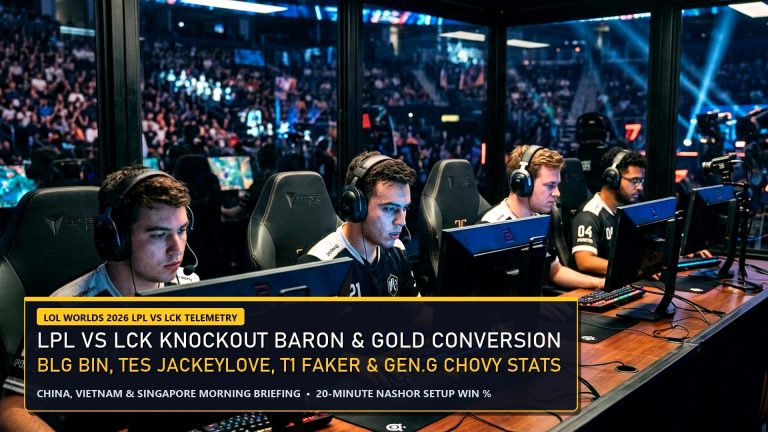

In addition to tactical gunplay, team communication protocols under high acoustic pressure inside the Shanghai arena represent a decisive operational variable. Professional Counter-Strike squads utilize specialized noise-canceling headsets integrated with custom equalization profiles, ensuring footsteps and grenade pin cues remain audible above roaring stadium crowds. Veteran captains emphasize that maintaining clear, emotionless information sharing during chaotic mid-round retakes separates Major champions from early-stage casualties.
From an economic standpoint, Valve’s team and player autograph stickers generate millions in non-dilutive digital revenue, creating transformative financial security for participating organizations. The commercial incentives tied to qualifying for the Champions Stage motivate rosters to push their strategic playbooks to absolute limits, making the Elimination Stage a thrilling spectacle of tactical innovation.
Frequently Asked Questions
What is the match format for the CS2 Shanghai Major Elimination Stage?
The Elimination Stage uses a 16-team Swiss system. Opening and standard rounds are best-of-one (BO1), while all advancement and elimination matches are best-of-three (BO3). Eight teams advance to the Champions Stage.
Which teams are favored to reach the Champions Stage playoffs?
Natus Vincere, Team Spirit, G2 Esports, and Team Vitality are widely regarded as prime contenders to secure the 3-0 and 3-1 advancement slots based on recent tier-one form and deep map pools.
How does the Buchholz system work in the Shanghai Major?
The Buchholz system calculates each team’s strength of schedule based on the cumulative match records of their previous opponents, seeding subsequent Swiss rounds to ensure fair and competitive progression.
Where can fans watch official CS2 Shanghai Major live broadcasts?
Official broadcasts are streamed globally in high definition across Twitch, YouTube Gaming, and the Steam Community TV client, with localized language casts available in multiple international territories.
Related posts:
 CS2 Winter Frost Update Leaked in Nov 12 Patch: Shader Mechanics, Thawing Physics & Cobblestone Speculation
 PGL Major Singapore 2026 Schedule, $1.25M Prize Pool & VRS Stakes Ahead of Nov 24 Historic SEA CS2 Clash
 CS2 Major Saturday RMR Elimination Deciders: Bracket Standings, Match Predictions & Utility Meta
 BLAST Rivals Day 1 Results: Vitality Sweeps Falcons, FURIA Rolls & FUT Blanks Spirit 13-0
