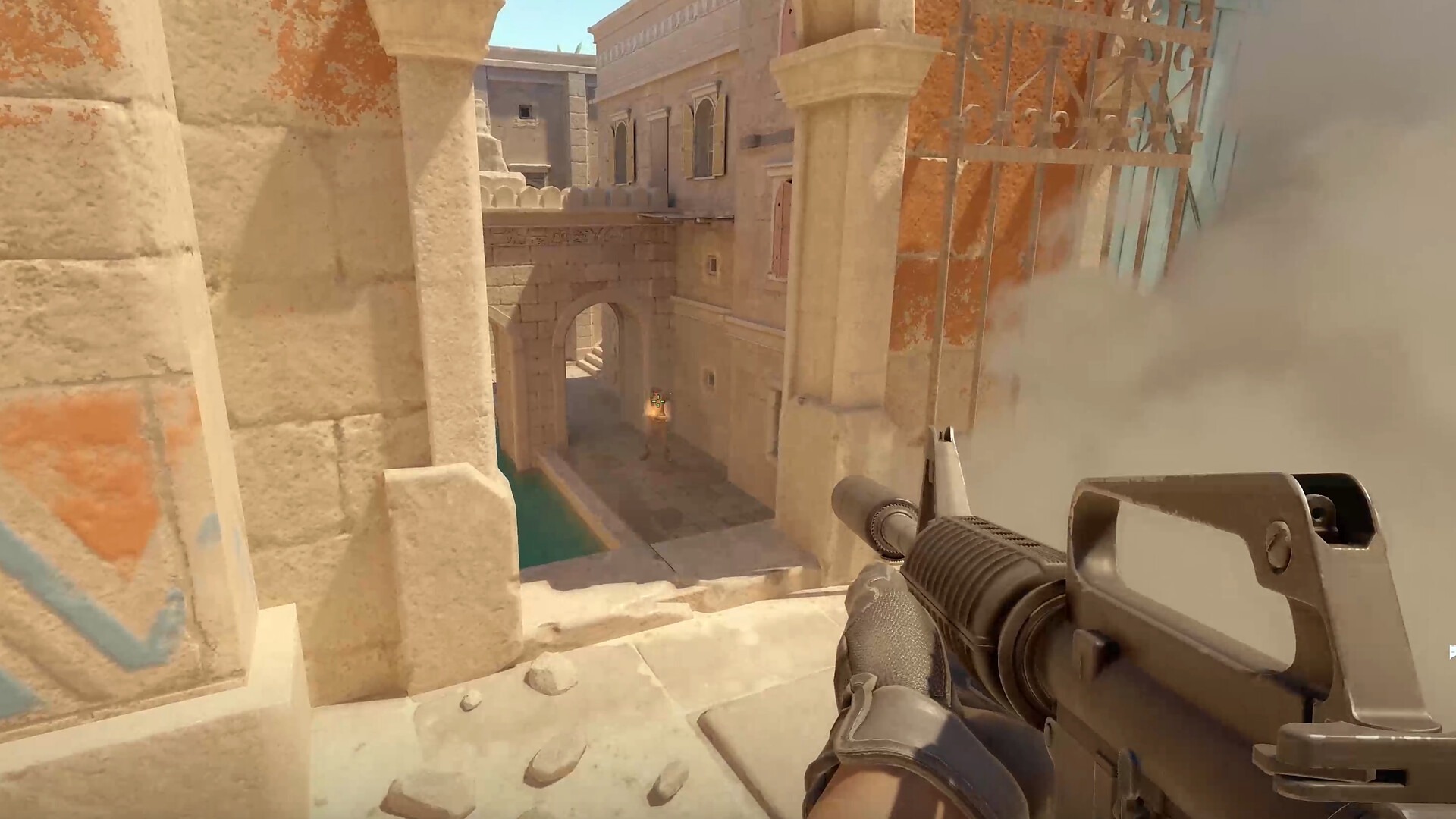
While eight S-tier Counter-Strike giants battle in Hong Kong, grassroots North American and European squads face critical Valve Regional Standings (VRS) points scrambles starting today, November 13, 2026. Highlighting US offline competition is Austin LAN 2026—an open $30,000 USD tournament hosted in partnership between Austin and FRAG running November 13–15 near Chicago at the Sheraton Lisle Naperville Hotel.
Simultaneously across the Atlantic, European Tier-2 hopefuls continue grinding inside ESL Challenger League Season 52: Europe (Cup #12) running November 12–14 for $7,000 and crucial regional seeding weight. Understanding why mid-November US LANs and EU cups swing 2027 Major invite thresholds reveals how modern Counter-Strike rewards relentless grinders.
Austin LAN 2026 runs Nov 13–15 near Chicago (Sheraton Lisle Naperville Hotel) with a $30,000 prize pool via open VRS-seeded registration, complementing ESL Challenger League Season 52 Europe Cup #12 (Nov 12–14, $7,000) in shaping 2027 VRS Major invites.
- US Offline Event: Austin LAN 2026 (organized by Austin & FRAG) runs Nov 13–15 in Illinois ($30,000 prize pool).
- Venue Clarification: Despite carrying the Austin LAN title, live matches take place at Sheraton Lisle Naperville Hotel near Chicago.
- European Parallel Cup: ESL Challenger League Season 52 Europe Cup #12 runs Nov 12–14 ($7,000 prize pool).
- VRS Invite Fuel: Every offline LAN win carries amplified Valve Regional Standings ranking weight for upcoming qualifiers.
Austin LAN 2026 Format, Illinois Venue & Open VRS Seeding
One frequent question catching traveling spectators off guard ahead of today’s kickoff involves geography: despite the headline Austin LAN 2026 branding honoring its founding organizer series, this November 13–15 tournament unfolds physically inside the Sheraton Lisle Naperville Hotel just outside Chicago, Illinois.
Because FRAG open events emphasize accessible travel hubs, placing thirty thousand dollars inside a major Midwest airport corridor draws hungry North American rosters, collegiate aces, and mix-teams eager to prove their aim on local zero-ping monitors. Rather than closed franchise gatekeeping, tournament seeding pulls directly from live Valve Regional Standings (VRS), turning every Best-of-3 upset into immediate ranking rocket fuel.

Moreover, open registration rosters lock cleanly through tournament day check-ins via community and FRAG admin portals, making live upset brackets unpredictable right from Friday afternoon opening Swiss rounds.
| Mid-Nov CS2 Tier-2 Event | Dates (2026) | Location & Organizer | Prize Pool & VRS Value |
|---|---|---|---|
| Austin LAN 2026 (FRAG) | November 13 – 15, 2026 | Lisle / Chicago, Illinois, USA | $30,000 USD — High-weight NA offline LAN VRS boost |
| ESL Challenger League S52 EU Cup #12 | November 12 – 14, 2026 | Europe Online (ESL) | $7,000 USD — Recurring EU qualifier & ranking grind |
| BLAST Rivals Fall (Comparison) | November 11 – 15, 2026 | AsiaWorld-Arena, Hong Kong | $1,000,000 USD — S-Tier elite global bracket |
ESL Challenger League Season 52 Europe vs US Offline Grind
Compare North America’s weekend LAN push against Europe’s relentless online gauntlet happening simultaneously inside ESL Challenger League Season 52: Europe (Cup #12) from November 12 through 14. In Europe, sheer team density—spanning CIS academies, Scandinavian mixes, Polish five-stacks, and Balkan dark horses—creates razor-thin margins across every single Bo3.
Whereas European squads enjoy affordable short-haul flights across Berlin, Bucharest, and Stockholm all year long, North American rosters historically struggled finding affordable domestic LAN stages without flying across three time zones. Events like Austin & FRAG’s Illinois stop directly fill that structural gap for US and Canadian competitors.
Zero internet ping variance, pure vocal stage intensity, massive VRS offline multipliers per top-four scalp, and direct scouting exposure for Tier-1 NA organizations.
Dense weekly repetition against disciplined European utility structures keeps tier-two squads match-sharp all autumn on minimal travel budgets.
Why $30,000 LAN Victories Reshape 2027 Major Qualification
Under Valve’s modern open ranking model, skipping domestic LAN stops carries painful long-term penalties. Direct invitations to multi-million-dollar 2027 Majors and tier-one studio qualifiers heavily reward prize money earned, opponent strength beaten on LAN, and consistent seasonal activity.
Taking down one established North American top-30 squad on Sunday afternoon in Naperville earns disproportionately massive VRS credit compared against grinding twenty routine online pug leagues. That exact math explains why hungry Tier-2 captains pool travel budgets aggressively every November before ranking cutoffs freeze ahead of winter qualifiers.
Players keeping close tabs on how both tier-one and tier-two Counter-Strike evolve this week should also check our breakdown of Zero Hour tactical CQB cross-play features alongside PGL Major Singapore tactical analysis.
Equally notable for coaches tracking grassroots ecosystem health is how affordable hotel ballroom setups keep independent North American esports financially viable. Rather than burning six-figure bootcamps overseas blindly, regional squads pool airfare cleanly into Chicagoland hubs, sharpen VRS credentials face-to-face over seventy-two hours, and generate game film that scouts trust infinitely more than ping-skewed online scrims.
Meanwhile, European organizations competing in ESL Challenger League Season 52 Cup #12 face relentless back-to-back Best-of-3 schedules testing map pool breadth across six Active Duty arenas. Any squad lacking confident T-side defaults on Ancient or Anubis quickly drops critical EU cup points before mid-November wraps.
How Aspiring NA & EU Stacks Use FRAG LANs as Pro Springboards
Beyond tournament payouts alone, open North American LAN events remain the truest pipeline for discovering unsigned AWP prodigies and calm mid-round callers. Watching how young squads handle crowded hotel ballroom acoustics—sitting inches from yelling opponents—exposes resilience no online FACEIT pug ever tests.
Check verified Counter-Strike 2 updates directly at Counter-Strike.net, pair local practice with smooth utility fundamentals via our tactical FPS movement & economy guide, and follow global infrastructure news inside our Weekend Gaming Radar (Nov 13–15) or BLAST R6 Osaka playoffs tracker.

Valve Regional Standings Points and Zero-Delay LAN Execution
What separates weekend tier-two events like Chicago’s $30,000 Austin LAN and Europe’s $7,000 ESL Challenger League Cup #12 from casual pug ladders is the unforgiving arithmetic of Valve Regional Standings (VRS). Under Valve’s open-circuit rules, even modest LAN placement points earned inside Sheraton Lisle Naperville Hotel ballot brackets propel hungry North American five-stacks above inactive squads hovering just outside Major invite cutoffs. Locally, zero-ping LAN monitors sharpen reaction peeks on Inferno banana and Mirage connector—punishing online-only squads accustomed to 40-millisecond peeker’s advantage while testing whether up-and-coming in-game leaders can call crisp anti-eco adjustments without hotel-room tilt across marathon Saturday group-to-playoff runs.
Whether rooting for an underdog college five-stack in Illinois or European grinders in ESL Challenger Cup #12, Friday kicks off high-stakes Counter-Strike action across both continents.
Frequently Asked Questions
Where is Austin LAN 2026 CS2 actually taking place?
Despite the Austin LAN title, the Nov 13–15, 2026 event organized by Austin and FRAG takes place at the Sheraton Lisle Naperville Hotel near Chicago, Illinois, USA.
What is the prize pool for Austin LAN 2026?
Austin LAN 2026 features a $30,000 USD prize pool alongside crucial Valve Regional Standings (VRS) ranking points from offline wins.
Which European CS2 tournament runs alongside Austin LAN this weekend?
ESL Challenger League Season 52: Europe (Cup #12) runs November 12–14, 2026 with a $7,000 prize pool for tier-two European contenders.
Why do CS2 teams prioritize $30K open LANs under VRS rules?
Offline tournament victories and head-to-head LAN scalps feed strongly into Valve Regional Standings, which dictate 2027 Major and Tier-1 invite cutoffs.
Related posts:
 BLAST Rivals Fall 2026 CS2 Playoffs Today (Nov 13): Falcons vs G2, Vitality vs MOUZ, $1M Bracket & Times
 FL1T Says PARIVISION Are Finding Their Structure Despite Painful NAVI Reverse Sweep at IEM Beijing Before PGL Major Singapore
 CS2 Winter Frost Update Leaked in Nov 12 Patch: Shader Mechanics, Thawing Physics & Cobblestone Speculation
 BLAST Premier Rivals Fall 2026 Hong Kong Schedule: Day 1 CS2 Matchups, $1M Prize Pool & Watch Guide