
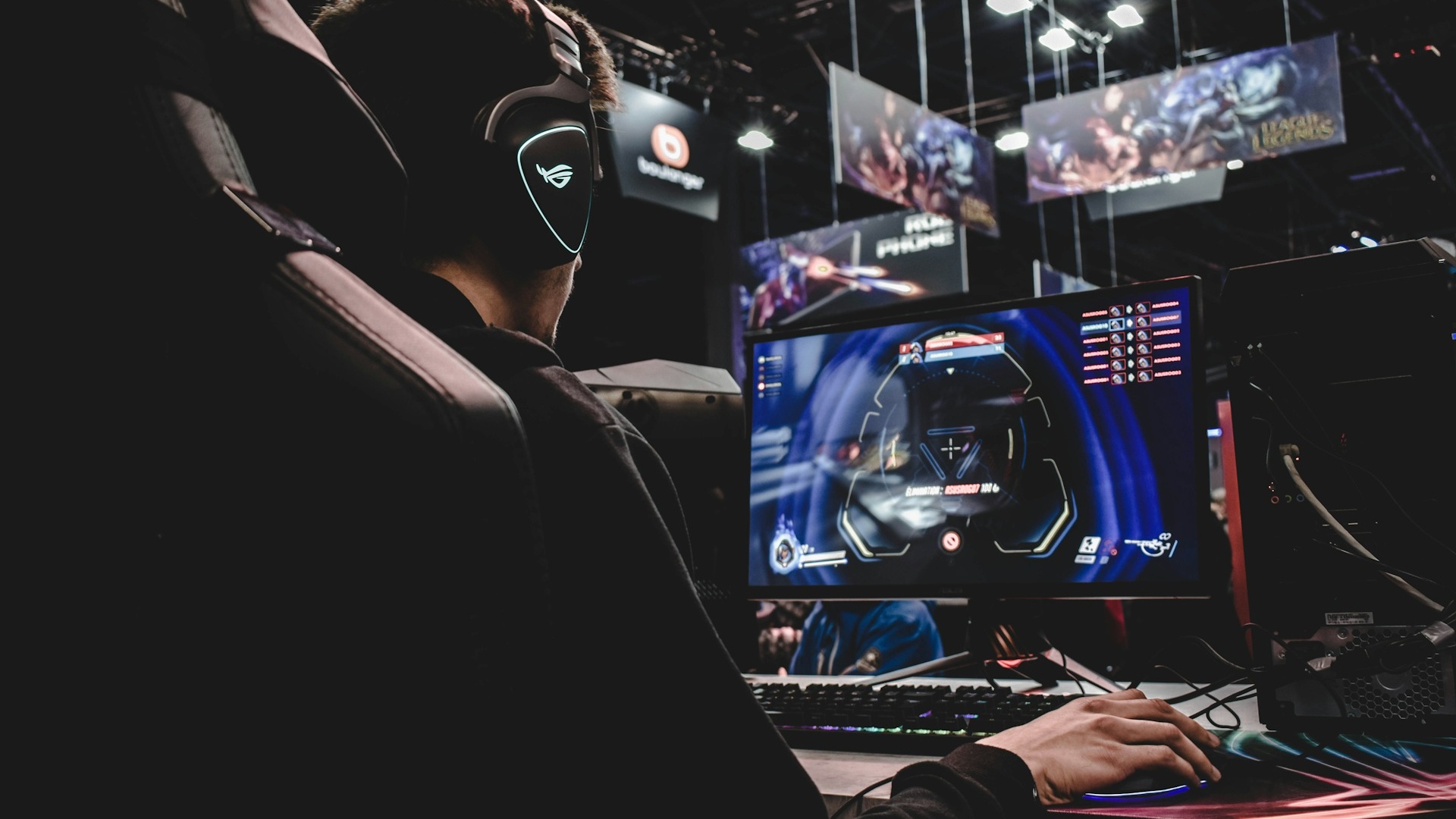
Key Takeaway: The pinnacle of tactical shooter esports has converged on Japan as the BLAST Rainbow Six Siege Osaka Major 2026 kicks off at the Asia-Pacific Trade Center (ATC Hall). With 16 elite global squads competing for a share of the $600,000 prize purse and decisive Six Invitational (SI) 2027 Global Standings points, the tournament serves as the final qualification gateway to the world championship.
The global Rainbow Six Siege competitive circuit has reached its most pivotal moment of the season. At the prestigious ATC Hall in Osaka, Japan, the BLAST R6 Osaka Major 2026 has brought together the finest tactical minds across North America, Europe, Brazil, and the Asia-Pacific region. As thousands of passionate Japanese spectators fill the arena, the tension is palpable: for reigning titans, the Osaka Major represents an opportunity to cement international dynasty status; for bubble contenders, it is their final lifeline to secure direct qualification for the Six Invitational 2027.
The tournament arrives in the wake of significant Operator rebalancing and the comprehensive shield rework deployed in Year 11 Season 3. With defensive anchor strategies shifting toward active area denial and multi-level vertical breach setups, the Osaka Major is delivering breathtaking tactical skirmishes that test the mechanical limits of modern tactical shooter esports.

Tournament Structure and Bracket Format
The BLAST R6 Osaka Major utilizes a rigorous multi-phase competitive architecture designed to eliminate variance and guarantee that only the most consistent rosters reach the main stage. Phase 1 (Play-In Group Stage) saw eight regional runner-ups battle through a modified GSL format, with the top four squads advancing into Phase 2.
In Phase 2 (Swiss Stage), 16 elite squads collide in a dynamic Swiss-system bracket. Teams requiring three victories advance to the eight-team single-elimination playoff bracket, while three defeats result in immediate tournament elimination. All advancement and elimination matches are contested as high-stakes Best-of-Three (Bo3) series, culminating in a grueling Best-of-Five (Bo5) Grand Final for the championship sledgehammer trophy.
Key Contenders to Watch in Osaka
- FaZe Clan (Brazil): The reigning global powerhouse enters as heavy tournament favorites, boasting unmatched defensive crossfire coordination and lethal entry fragging.
- Team BDS (Europe): Powered by French prodigy Shaiiko’s peerless mechanical aim, BDS possesses the deepest map pool in competitive Siege.
- Spacestation Gaming (North America): Renowned for intricate drone telemetry and vertical site execution, SSG represents North America’s strongest title hope.
- Bleed Esports / CAG Osaka (APAC): Carrying the roar of the domestic crowd, Japan’s hometown heroes seek to transform vocal arena energy into a historic top-four run.
Prize Pool Breakdown and SI 2027 Points Allocation
Beyond the prestigious championship trophy, the Osaka Major offers a $600,000 cash purse alongside the ultimate currency in competitive Siege: Six Invitational Global Points. With SI 2027 looming on the horizon, finishing in the upper echelon of the Osaka bracket is mandatory for squads seeking to bypass stressful regional last-chance qualifiers.
| Placement | Prize Money (USD) | SI 2027 Points | Qualification Status |
|---|---|---|---|
| 1st Place (Champion) | $200,000 | 350 Points | Guaranteed Direct Seed |
| 2nd Place (Runner-Up) | $80,000 | 260 Points | Guaranteed Direct Seed |
| 3rd – 4th Place (Semifinals) | $40,000 each | 200 Points | High Probability Direct Seed |
| 5th – 8th Place (Quarterfinals) | $20,000 each | 140 Points | Bubble Contender Cutoff |
| 9th – 11th Place (Swiss Stage) | $14,000 each | 105 Points | Requires Regional LCQ |
| 12th – 14th Place (Swiss Stage) | $10,000 each | 75 Points | Eliminated from Direct Race |
Tactical Meta Shifts: Shield Rework and Vertical Control
Analysts covering the Osaka broadcasts have highlighted profound strategic evolutions in the competitive meta. The Year 11 shield rework—which permits shield operators to execute free-look reconnaissance and trigger directional explosive dampening—has elevated Montagne and Blitz into priority ban status on tight urban maps like Clubhouse and Oregon.
In response, defensive architects are deploying heavy electro-denial setups featuring Bandit and Kaid alongside Azami’s Kiba Barriers to reshape floor layouts and deny vertical soft-wall breaches from below. Rounds in Osaka are frequently determined in the final 15 seconds, where coordinated utility clearing collides with desperate defensive crossfire setups in smoke-filled bomb sites.
Broadcast Schedule and Where to Watch
The BLAST R6 Osaka Major is broadcast live across official Rainbow Six Twitch and YouTube channels, with dedicated local-language coverage in Japanese, Portuguese, French, German, and Spanish. Phase 2 Swiss Stage matches continue through mid-week, before the tournament transitions to the arena main stage for the weekend quarterfinal, semifinal, and Grand Final showdowns.
Tactical Deep-Dive: Map Architecture and Site Defense Strategy
To understand the high-stakes tactical chess taking place at the ATC Hall, one must examine the specific map bans shaping the Osaka Major meta. Competitive Siege is defined by spatial geometry, destruction physics, and utility economy. Across the opening rounds in Osaka, three maps have emerged as the premier battlegrounds: Clubhouse, Oregon, and Nighthaven Labs.
On Clubhouse, teams are abandoning traditional static basement defenses in favor of aggressive top-floor roaming architectures. Defensive setups frequently utilize Azami’s Kiba Barriers to seal off balcony sightlines while Solis and Valkyrie feed real-time acoustic telemetry to roaming defenders lurking below the Gym and Bedroom sites. Attackers, by contrast, must execute disciplined vertical drone clearing, deploying Buck and Ram to shred wooden floorboards from above before committing to high-pressure defuser plants.
The Six Invitational 2027 Bubble Race: Heartbreak and Triumph
While tournament frontrunners like FaZe Clan and Team BDS have already mathematically secured their spots for the Six Invitational 2027, the real drama in Osaka unfolds along the qualification bubble. Teams occupying the 14th through 20th positions on the Global Standings leaderboard are competing in life-or-death matches where a single round differential can dictate the future of entire competitive organizations.
For squads like DarkZero, Bleed Esports, and Team Secret, advancing to the quarterfinals guarantees the 140 SI Points necessary to cross the safety threshold. Falling in the Swiss stage, however, relegates those squads to grueling regional last-chance qualifiers where dozens of hungry tier-two rosters lie in wait. The psychological pressure inside the glass booths at the ATC Hall is immense, producing raw emotional celebrations and devastating heartbreak with every post-plant clutch.
Crowd Energy and the Historic Rise of Japanese Tactical Esports
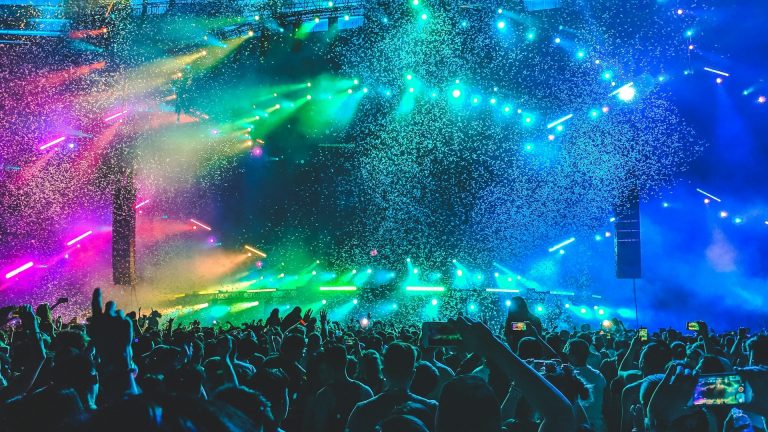
The electric atmosphere inside the ATC Hall in Osaka underscores the extraordinary growth of Rainbow Six Siege within the Japanese domestic market. While Western esports titles often struggle to penetrate Japan’s traditionally console-and-mobile-dominated gaming landscape, Ubisoft’s tactical shooter has fostered an intensely passionate, highly dedicated grassroots following over the past decade.
Japanese fans are renowned throughout international esports for their respectful yet deafening support, brandishing coordinated lightsticks, hand-painted banners, and thunderous synchronized chants that reverberate through the venue during clutch defuser plant scenarios. For international competitors traveling from Europe and South America, competing in front of the Osaka audience represents a career milestone. Regardless of who hoists the iconic sledgehammer trophy on Sunday evening, the BLAST R6 Osaka Major has cemented Japan’s status as a world-class destination capable of hosting the grandest spectacles in competitive electronic sports.
Operator Ban Trends and Defensive Anchoring Innovations
Examining the analytical ban data from the opening stage in Osaka highlights the intense psychological preparation taking place in team briefing rooms. Azami and Solis have maintained near-ubiquitous 85%+ ban rates across Clubhouse and Nighthaven Labs, forcing defensive coordinators to innovate alternative site anchoring solutions. In their absence, teams are turning to smoke-and-mirror denial strategies featuring Smoke, Fenrir, and Tubarão to stall late-round attacker site pushes.
Attacking rosters have responded with rapid utility clearing protocols, prioritizing high-explosive ordnance and EMP grenade operators like Thatcher and Impact EMP secondary gadgets to disable defensive electronics in coordinated breaches. The resulting tactical dynamic produces nail-biting finishes where defensive defuser denials come down to fractions of a second, demonstrating the remarkable depth and enduring competitive sophistication of professional Rainbow Six Siege.
Frequently Asked Questions
What is the total prize pool for the BLAST R6 Osaka Major 2026?
The tournament features a total prize purse of $600,000 USD, with the championship squad securing $200,000 and 350 Six Invitational Global Points.
Where is the Osaka Major taking place?
The tournament is hosted live at the Asia-Pacific Trade Center (ATC Hall) in Osaka, Japan.
Why are Six Invitational Points critical in Osaka?
The Osaka Major is the final major tournament of the competitive year, offering the last opportunity for global teams to earn SI Points and secure direct invitation to the Six Invitational 2027.
Which teams are considered top favorites?
Reigning world champions FaZe Clan, European juggernauts Team BDS, and North America’s Spacestation Gaming enter as prime contenders to lift the trophy.
Related posts:
 Apex Legends Season 23 Ranked Guide: RP Distribution, Map Rotations & Team Composition Meta
 Marvel Rivals Competitive Tier List: Best Hero Synergies, Team-Up Combos and Closed Beta Meta
 LoL Worlds 2026 Semifinal 1: T1 vs Gen.G Legacy Matchup Analysis, Faker vs Chovy 10-Game Telemetry & GD@14 Draft Meta
 LoL Worlds 2026 Swiss Stage Deciders: T1, Bilibili Gaming & Gen.G Quarterfinal Qualification Scenarios & Meta Shift
