
Cornerstone Deep-Dive: The $10 Billion Poké-Investing Financial Reality
- Paper Wealth vs Realized Liquidity: While headline records highlight multi-million-dollar sales, over 94% of modern card speculators face steep grading overhead, transaction commissions (13–20%), and liquidity friction.
- The Grading Economy: The brutal difference between a PSA 9 and PSA 10 gem mint grade dictates whether a card yields a 500% profit or fails to cover grading and submission costs.
- Vintage Scarcity vs Modern Mass-Printing: First-generation 1999 Base Set cards benefit from authentic historical scarcity, whereas modern sets (151, Paldean Fates, Surging Sparks) are printed in millions of copies.
- Retail Scalping Dynamics: Independent card shop owners, streamers, and frustrated parents weigh in on the transformation of a beloved children’s trading card game into an unregulated speculative asset class.
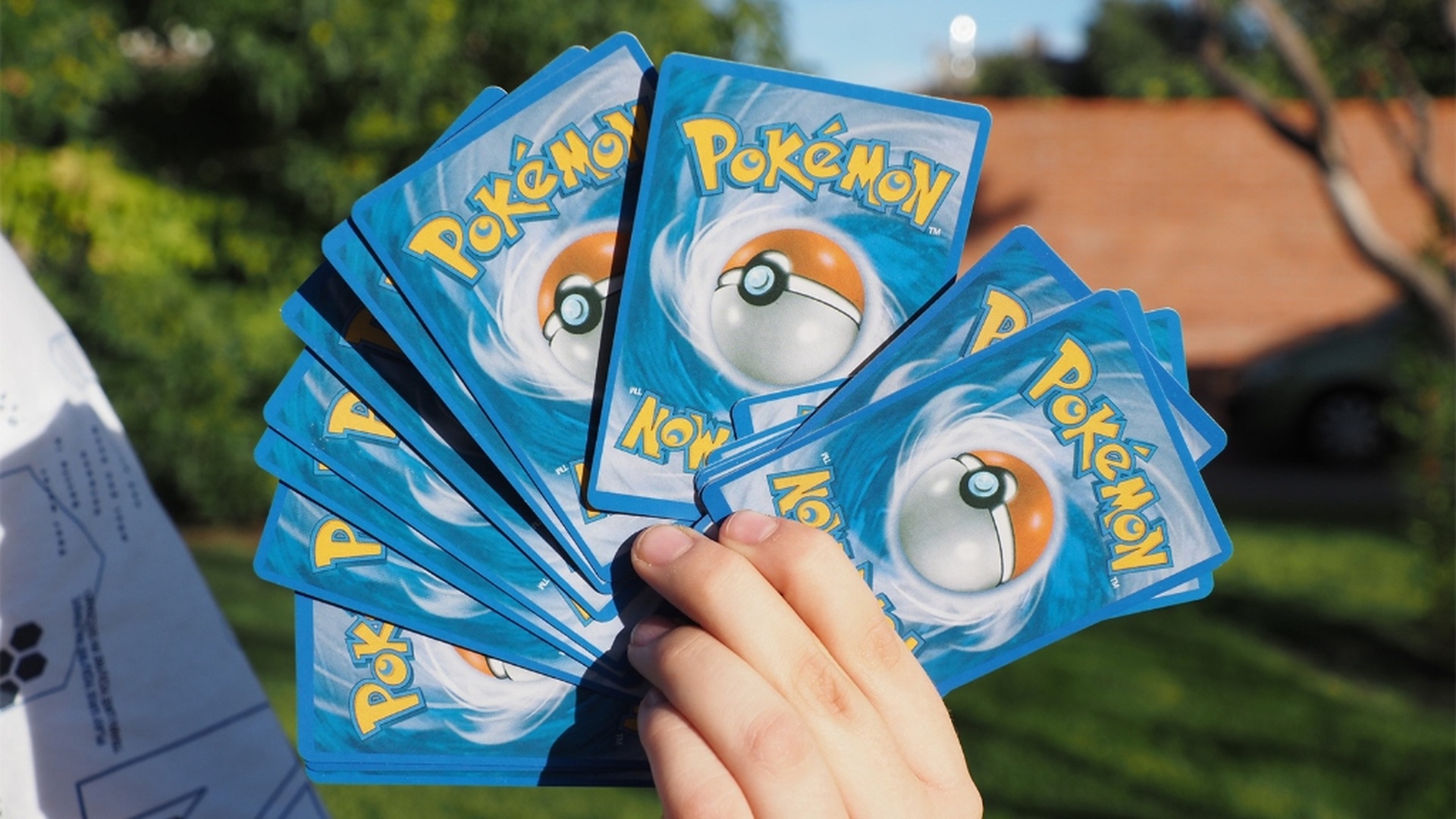
Every weekend outside suburban big-box retailers, shopping malls, and local hobby shops from London to Tokyo, a familiar ritual unfolds. Long before dawn breaks, queues of folding chairs and thermoses form as collectors, livestream breakers, and aggressive flippers wait for doors to open. Their objective is not nostalgia or childhood joy; it is the pursuit of cardboard gold. Ever since social media influencers and high-profile auction houses thrust vintage Pokémon cards into the international financial spotlight, the Pokémon Trading Card Game (TCG) has morphed into a sprawling, multi-billion-dollar alternative asset class dubbed ‘Poké-investing.’
From Logan Paul donning a record-shattering $5.275 million PSA 10 Pikachu Illustrator around his neck to first-edition holographic Charizards trading for hundreds of thousands of dollars, the narrative is irresistible: buy packs, grade cards, and build generational wealth. But can Pokémon cards really make everyday collectors rich? Or is modern Poké-investing a precarious speculative bubble waiting to burst? We examined transaction telemetry across major auction platforms, inspected grading population reports, and spoke directly with independent hobby store proprietors, seasoned card breakers, and everyday collectors to uncover the brutal financial truth behind the phenomenon.
The Holy Grail Paradox: Historical Scarcity vs Modern Speculative Frenzy
To understand the economics of the Pokémon boom, one must separate the ultra-rare vintage market from modern retail products. When Wizards of the Coast published the original English 1999 Base Set, nobody anticipated that holographic Charizards would one day rival vintage Rolex watches in auction prestige. Children played with them unsleeved on asphalt playgrounds, traded them in pockets, and tossed them into shoeboxes. Consequently, preserved specimens that achieve a flawless PSA 10 Gem Mint rating are exceptionally rare artifacts of cultural history.


Modern Poké-investing, however, operates under an entirely different economic paradigm. Today, virtually every collector immediately transfers freshly pulled cards into penny sleeves, rigid top-loaders, and temperature-controlled storage cases. As a result, modern sets—such as the massively popular Pokémon 151, Paldean Fates, and Surging Sparks—experience astronomical submission volumes to authentication services like PSA, Beckett (BGS), and CGC. When thousands of identical cards flood grading registries with 9s and 10s, artificial scarcity evaporates, leaving late speculative buyers vulnerable to severe price depreciation.
The Brutal Grading Economy: Why PSA 9 Means Financial Defeat
The single greatest misconception among amateur investors is that getting a card authenticated automatically guarantees profit. In reality, the graded card economy is governed by ruthless, binary grading mathematics. Across modern high-value chase cards, the price differential between a PSA 9 (Mint) and a PSA 10 (Gem Mint) is frequently an astonishing 400% to 700%.
Consider the real-world economics of grading a raw modern chase card valued at £80. A collector pays £20 for standard third-party grading submission fees, £10 in insured shipping each way, and endures a two-month turnaround delay. If the card receives a PSA 9—due to microscopic factory centering imperfections or microscopic edge whitening—its market resale value typically hovers around £75 to £85. After accounting for eBay or TCGPlayer marketplace seller commissions (13.25% plus payment processing) and packaging materials, the investor realizes a net cash loss on a mint card. Only a PSA 10 delivers the coveted £300+ windfall required to sustain profitability.
| Market Asset Category | Historical Scarcity | Grading Pop Density | Liquidity Timeframe | Long-Term Risk Profile |
|---|---|---|---|---|
| Vintage Base Set 1st Edition | Extremely High (1999) | Ultra-low gem mint populations | High (Premier auction houses) | Low to Moderate (Proven blue-chip asset) |
| Sealed Vintage Booster Boxes | Fixed Finite Supply | Non-graded physical boxes | Moderate (High authentication scrutiny) | Moderate (Risk of resealed pack fraud) |
| Sword & Shield Alt Arts (e.g. Moonbreon) | Moderate (Out of print) | High PSA 10 population counts | Very High (Active daily trading) | Moderate to High (Market saturation risk) |
| Modern Scarlet & Violet Sealed Bundles | Very Low (Mass printed by TPCI) | Overwhelming supply across retailers | Low (Retail competition limits margins) | High (Reprints erode hoarded margins) |
Store Owners, Breakers & Disgruntled Parents: Voices from the Counter
At local brick-and-mortar game stores, the investing culture has generated deep ambivalence. Store owners report surging revenues from sealed product allocations, but simultaneously lament the erosion of casual community play. When new sets launch, stores are besieged by flippers equipped with automated barcode scanning apps, eager to purchase every Elite Trainer Box before local children or casual players can buy a single booster pack.
Furthermore, the rise of TikTok and Whatnot live box breaks has altered the psychology of collecting. Streamers hype high-stakes pack openings with flashing lights and siren graphics, transforming what was once a tactile hobby into a gamified digital lottery. For disgruntled parents, watching booster pack prices surge from standard retail £4 to secondary market £12 creates intense frustration, pushing young fans toward digital simulators like Pokémon TCG Pocket rather than physical cardboard.
The Final Verdict: Passion Asset vs Financial Portfolio
Can Pokémon cards make you rich? For the top 1% of market participants—knowledgeable vintage dealers who acquired inventory decades ago, high-volume grading arbitrageurs, and successful livestream breakers—the profits are genuinely lucrative. But for the vast majority of retail speculators hoarding modern sealed booster bundles in suburban garages, Pokémon cards represent an illiquid, highly volatile asset burdened by holding costs, insurance requirements, and the constant threat of publisher reprints.


The healthiest approach remains treating Pokémon cards as a passion asset. If you collect for the appreciation of the artwork, the thrill of trading, and the camaraderie of local tournaments, every binder page provides genuine joy. And if one of your cherished cards appreciates in value over twenty years, consider it a delightful nostalgic dividend rather than a guaranteed retirement plan.
Frequently Asked Questions on Pokémon Card Investing
What makes a Pokémon card valuable?
Card value is determined by a combination of original print scarcity, iconic character popularity (such as Charizard or Pikachu), physical preservation condition, and official professional grading authentication (PSA, BGS, CGC).
Is opening modern booster packs profitable?
Statistically, no. The expected value (EV) of opening modern booster packs is negative, typically recovering only 30% to 50% of the box’s sealed retail purchase price.
Which grading company is best for resale value?
Professional Sports Authenticator (PSA) remains the industry benchmark for liquid resale value, while BGS (Beckett) Pristine Black Labels command the highest theoretical premiums for flawless cards.
Suggested Related Articles on EsportPort
- UCL 2026 Matchday 4 Highlights: Real Madrid vs Milan & Sporting CP Shocker – Matchday telemetry, Bernabéu analysis, and 36-team standings.
- CS2 IEM Beijing 2026 Fantasy: NAVI Stars w0nderful and b1t Playoff Value – Complete tournament rating telemetry and bracket depth analysis.
- GTA 6 Global Launch Mania & PS5 Pro Telemetry – London Selfridges retail takeover and graphics benchmark analysis.
- Valorant Team BONK Disqualified for Cheating in VCT EMEA Kickoff – Official competitive ruling, bracket replay details, and anti-cheat telemetry.
Related posts:
 Epic Games vs Steam & Google Monopoly Lawsuits: EU DMA Enforcement, 0% Fee Direct Payment Processing & Mobile App Store Wars
 Brawl Stars & Clash Royale October 2026 Balance Changes: Kenji & Moe Hypercharge Nerfs, Goblin Queen Journey Meta
 Xbox Money Tap Was Unsustainable: South of Midnight Director on Microsoft Gaming Reset & Studio Closures
 NieR: Automata Steam Patch 366GB Bug: Forensic Architecture Review, DLC Recursive Stacking Glitch & Storage Protection Guide
