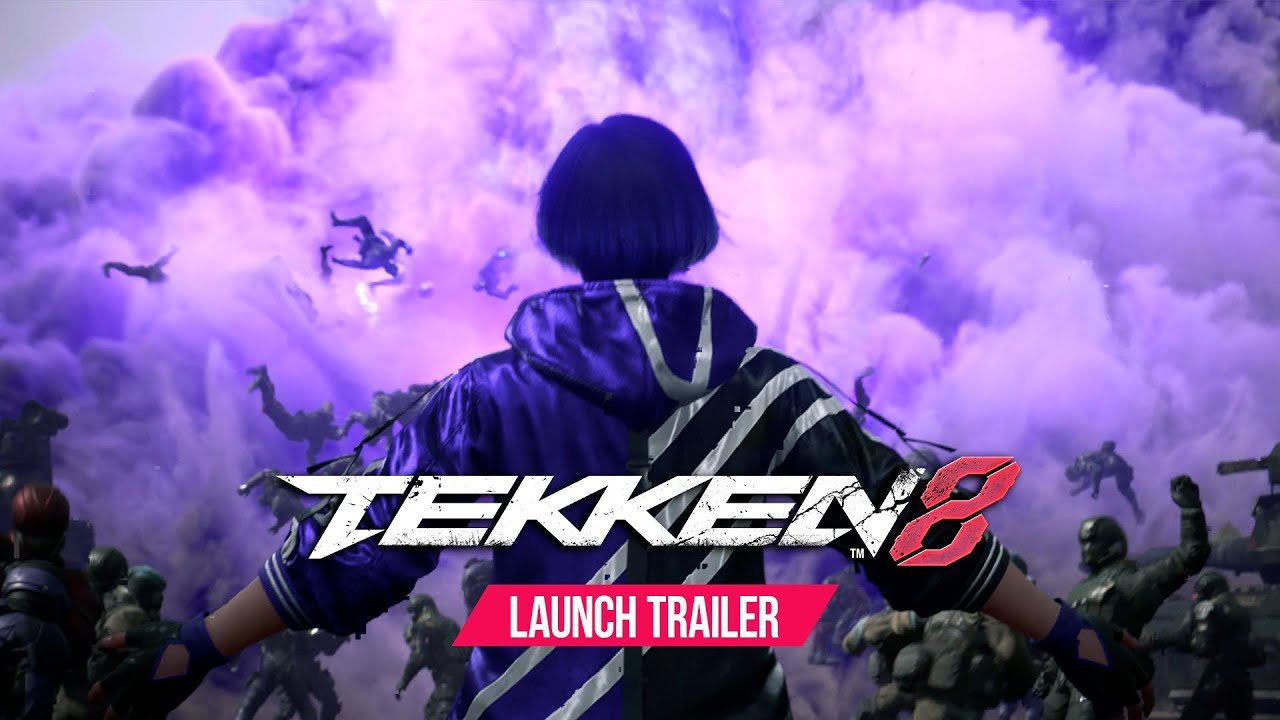
The competitive fighting game community (FGC) is enjoying a golden renaissance driven by iconic flagship releases, and our forensic technical comparison of Tekken 8 vs Street Fighter 6 Netcode Analysis explores why peer-to-peer network infrastructure determines the success of modern fighting game esports. In a genre governed by 60 frames per second where a single 16.6-millisecond window separates a successful whiff punish from a devastating counter-hit combo, legacy delay-based netcode has been permanently supplanted by sophisticated rollback algorithms.
How Rollback Netcode Works: Prediction vs Resimulation
First and foremost, traditional delay-based netcode artificially pauses your local game client whenever network packet transmission encounters latency, producing jarring stutter and delayed button inputs. In contrast, rollback netcode operates on predictive simulation. Your local client executes your inputs with zero perceptible latency; simultaneously, the engine predicts your opponent’s most probable action based on their previous frame state.
Street Fighter 6: The Industry Benchmark
Capcom set the gold standard for online fighting game netcode with Street Fighter 6. Built on the versatile RE Engine, SF6 features a bespoke rollback netcode architecture that handles cross-continental connections with remarkable grace. Even during trans-Atlantic matches between North America and Europe with 130 milliseconds of latency, the game dynamically adjusts its internal rollback window (typically 1 to 3 frames), ensuring that drive rushes, parries, and super arts execute with offline-like responsiveness.
Tekken 8: The Challenge of 3D Skeletal Complexity
Conversely, Bandai Namco faced a substantially more intricate technical challenge when implementing rollback in Tekken 8. Unlike 2D fighters with flat hitboxes, Tekken operates in a full 3D plane with dynamic character sidesteps, complex skeletal hurtboxes, floor breaks, and stage wall interactions. Resimulating 3D physics history buffers across eight frames of latency consumes significant CPU overhead.
To prevent catastrophic visual jitter, Tekken 8 utilizes a hybrid approach that occasionally introduces one or two frames of artificial input delay when connection jitter spikes. While this produces a smoother visual presentation, high-level competitors executing frame-perfect just-frame moves (such as Mishima Electric Wind God Fists) occasionally report subtle input timing shifts during intense online ranked matches.
- Character Combos & Frame Data: Check our detailed frame breakdown on Mishima tournament tech in our Tekken 8 Heihachi Mishima Combos guide.
- Cross-Genre Tactical Parallels: Compare competitive hit registration mechanics in our Marvel Rivals Launch Roster Tier List.
FGC Netcode Verdict
In conclusion, while both games represent massive leaps over legacy netcode, Street Fighter 6 holds the crown for the cleanest, most reliable pure rollback netcode in fighting game history. Nonetheless, Tekken 8’s hybrid implementation allows global players to enjoy high-speed 3D brawling with unprecedented stability.