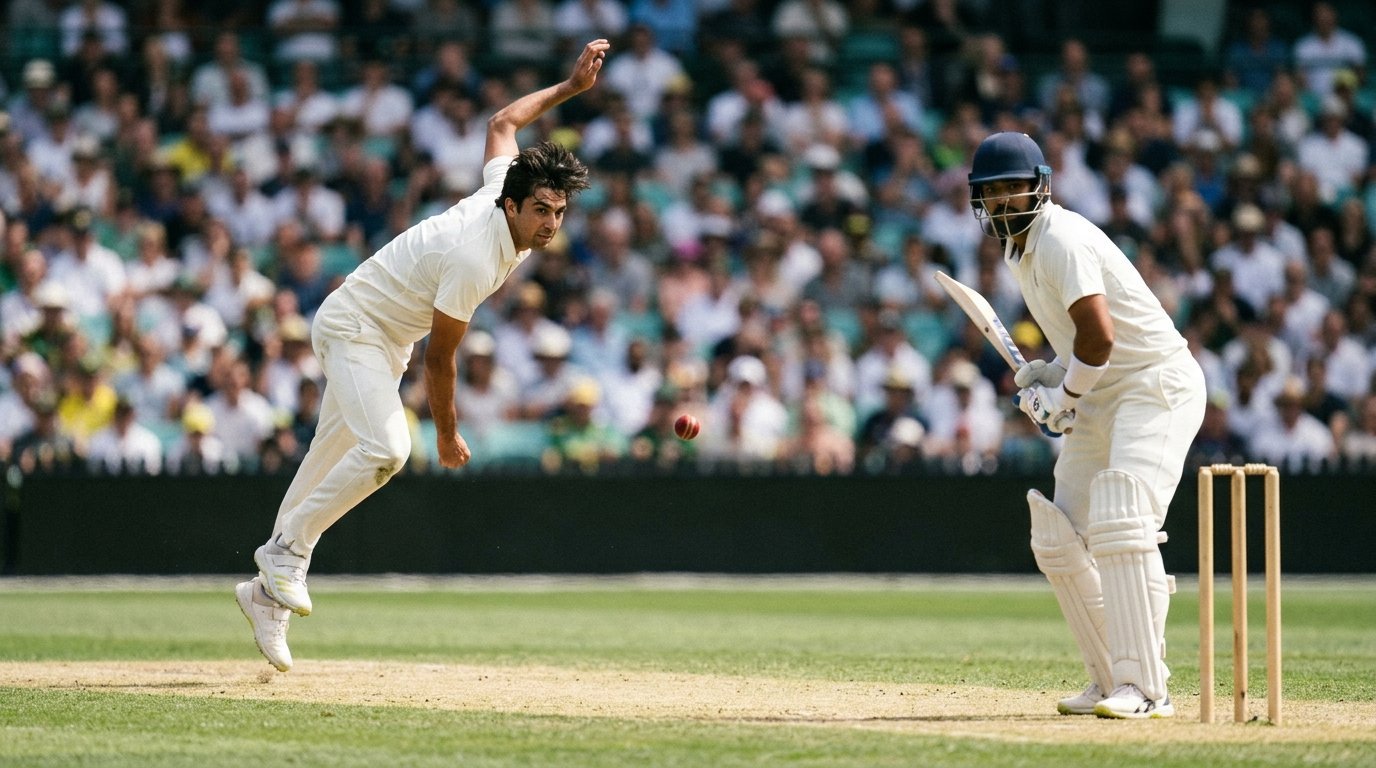
The Men’s Cricket Gold Medal Final at the 20th Asian Games Aichi-Nagoya 2026 delivered an all-time classic rivalry showdown at the Korogi Sports Park in Nisshin, Japan. In our definitive tactical masterclass and statistical breakdown of IND vs PAK Asian Games cricket 2026, we examine how India secured an electrifying 19-run triumph to capture the continental gold medal. Batting first after winning the toss, the Men in Blue posted a mammoth 211/6 in their 20 overs before their defensive spin choke held off an astonishing counter-punch of 96 runs off 51 balls by Pakistan’s Hasan Nawaz.
While the surface in Nisshin offered early pace and true bounce, the match ultimately hung on two distinct tactical phases: India’s ultra-aggressive batting approach during the powerplay and death overs, and the middle-overs strangulation engineered by India’s twin finger-spinners, Axar Patel and Washington Sundar. Together, the two spinners conceded only 58 runs across 8 high-leverage overs while claiming 4 vital scalps, creating an insurmountable required run-rate hurdle that even Nawaz’s boundary blitz could not fully overcome.
Official Match Summary: Asian Games 2026 Men’s Cricket Gold Medal Final
| Team | Final Innings Score | Top Performers (Batting & Bowling) | Key Tactical Turning Point |
|---|---|---|---|
| India (Gold 🥇) | 211/6 (20.0 Overs) Run Rate: 10.55 |
Abhishek Sharma: 61 (28b, 7x6s) Tilak Varma: 51* (22b, 5x4s, 3x6s) Shivam Dube: 22* (9b) |
Blistering 81/2 powerplay followed by a ruthless 69-run death assault in overs 16–20 to breach the 200 barrier. |
| Pakistan (Silver 🥈) | 192/6 (20.0 Overs) Run Rate: 9.60 |
Hasan Nawaz: 96 (51b, 8x4s, 6x6s) Ahmed Daniyal: 2/43 (4.0 ov) Saim Ayub: 29 (18b) |
Early collapse to 39/2 against Axar and Sundar created an unsustainable required run rate of 13.50+ in the back half. |
Phase 1: Powerplay Firestorm — Abhishek Sharma Blasts 7 Sixes (Overs 1–6)
India captain Shreyas Iyer made an emphatic strategic decision at the toss: maximize the batting-friendly morning dew-free conditions by setting a target rather than chasing in a high-pressure continental final. From ball one of the IND vs PAK Asian Games cricket 2026 showdown, opening left-hander Abhishek Sharma adopted an unapologetic attack-first philosophy.
Facing Pakistan’s express new-ball pace duo, Abhishek refused to allow the seamers to settle into back-of-a-length channels. Moving down the pitch on the second ball of the innings, he launched an effortless lofted drive over wide long-off, signaling India’s tactical intent. Abhishek targeted the shorter straight boundaries with extraordinary bat speed:
- Overs 1–3: Abhishek dismantled early movement by employing a high back-lift and clearing his front pad, striking 4 maximums over deep square leg and cow corner.
- Over 5 (The Big Over): Taking on first-change seamer Mohammad Wasim Jr., Abhishek pulled two consecutive short-pitched deliveries into the second tier of the Korogi stands.
- Powerplay Score: Despite losing opening partner Prabhsimran Singh (14 off 10 balls) to a deceptive slower ball, India marched to an astonishing 81/2 in 6 overs—the highest powerplay total in Asian Games knockout history.
By the time Abhishek was eventually caught on the long-on boundary for a blistering 61 off 28 balls (featuring 7 colossal sixes), India had firmly established the baseline scoring rate above 11 runs per over, forcing Pakistan’s bowling plans into defensive scrambles.
Phase 2: Middle-Overs Squeeze — Ahmed Daniyal Reasserts Pakistan’s Control (Overs 7–15)
Between overs 7 and 15, Pakistan produced their best passage of play in the field. Captain Qasim Akram introduced wrist-spin and cutter variations that gripped into the dry soil patches at Korogi Sports Park. Right-arm pacer Ahmed Daniyal (2/43) utilized subtle changes of pace and cross-seam deliveries to drag the match back into equilibrium.
Daniyal removed Shreyas Iyer (18 off 14 balls) with a knuckleball that held in the surface, forcing a miscued chip to mid-wicket. In the following over, Sanju Samson (24 off 16 balls) looked set to capitalize on loose deliveries before Daniyal trapped him in front with a skidder on middle stump. Between overs 10 and 14, Pakistan conceded just 36 runs while claiming three wickets, reducing India to 142/4. The tactical compression appeared to give Pakistan a realistic chance of restricting India beneath the 185-run threshold.
Phase 3: The Death Overs Assault — Tilak Varma & Shivam Dube Blitz Past 200 (Overs 16–20)
Recognizing that a par score of 180 would be vulnerable against Pakistan’s dynamic top order, India’s lower-middle order executed an explosive death-overs masterclass. Vice-captain Tilak Varma partnered with all-rounder Shivam Dube to deliver the match-defining flourish in the IND vs PAK Asian Games cricket 2026 final.
| Over | Bowler | Runs Scored | Key Deliveries & Matchup Dynamics |
|---|---|---|---|
| Over 16 | Abrar Ahmed | 14 Runs | Tilak executes a switch-hit boundary followed by a flat sweep through square leg. |
| Over 17 | Mohammad Wasim Jr | 16 Runs | Dube muscles a 138 km/h length ball over long-on for a 94-meter maximum. |
| Over 18 | Ahmed Daniyal | 11 Runs | Clever running between wickets; Tilak finds the third-man gap with an open-face ramp. |
| Over 19 | Zaman Khan | 21 Runs | Penultimate over blitz: Tilak smokes two consecutive sixes over deep mid-wicket. |
| Over 20 | Mohammad Wasim Jr | 12 Runs | Dube and Tilak push hard doubles; Tilak reaches 51* off just 22 balls on the final ball. |
India added 69 runs across the final 30 deliveries without losing a wicket, catapulting the scoreboard from 142/4 to a daunting 211/6. Tilak’s strike rate of 231.81 showcased immense maturity under tournament pressure, transforming an even contest into an intimidating chase of 10.60 runs per over.
Phase 4: The Spin Twins Chokehold — Axar Patel & Washington Sundar (4/58 in 8 Overs)
Chasing 212 in a gold-medal clash required Pakistan to match India’s powerplay strike rate without sacrificing early stability. However, India captain Shreyas Iyer deployed his primary defensive weapon immediately: an unyielding double spin attack consisting of left-arm orthodox maestro Axar Patel and off-spinner Washington Sundar.
Instead of relying on conventional pace, India introduced spin inside the powerplay to exploit Pakistan’s tendency to target the mid-wicket boundary against pace. The tactical shift paid immediate dividends:
1. Top-Order Disruption at 39/2
Washington Sundar struck in his very first over (the 4th over of the innings). Darting a slider outside off stump at 98 km/h, Sundar induced a mistimed swipe from Sahibzada Farhan (9 off 7 balls), who offered a simple catch to mid-on. Two overs later, Axar Patel struck from the opposite end, cramping dangerous left-hander Saim Ayub (29 off 18 balls) for room with an undercut arm-ball that clipped the top of off stump. At 39/2 inside the 6th over, Pakistan’s chase was severely compromised.
2. The Surgical Middle-Overs Strangulation
Operating in tight tandem, Axar and Sundar fired deliveries flat into the surface on an 8-meter length, denying the Pakistani batters room to get underneath the ball. Both bowlers finished with identical, match-winning bowling figures:
- Axar Patel: 4.0 overs | 0 maidens | 29 runs | 2 wickets | Economy: 7.25
- Washington Sundar: 4.0 overs | 0 maidens | 29 runs | 2 wickets | Economy: 7.25
- Combined Impact: 8.0 overs, 58 runs, 4 wickets, 19 dot balls, and an economy rate of only 7.25 against an opposition required to score at 10.60.
Phase 5: Hasan Nawaz’s Valiant Counter-Punch (96 off 51 Balls)
Despite the top-order slump and mounting scoreboard pressure, Pakistan refused to concede without a fight. Right-handed top-order batsman Hasan Nawaz played one of the most heroic, stroke-filled counter-attacking innings in Asian Games history.
Arriving at the crease under extreme pressure, Nawaz demonstrated textbook composure against the Indian pace contingent. While Pakistan’s other batters struggled to rotate strike against the spinners, Nawaz picked his targets ruthlessly when Indian seamers Arshdeep Singh and Harshit Rana returned for their second spells:
- Pace Exploitation: Nawaz scored 64 of his 96 runs off fast bowlers, punishing short deliveries through his trademark pull shot and carving room over backward point.
- Boundary Distribution: His breathtaking knock was decorated with 8 boundaries and 6 enormous sixes, scoring at an elite strike rate of 188.23.
- The Agonizing Dismissal on 96: With 32 runs required off 11 balls, Nawaz attempted to deposit an Arshdeep yorker over deep cover. He mistimed the slice into the hands of Tilak Varma on the boundary rope, falling four runs agonizingly short of a historic century. His 96 off 51 balls earned a standing ovation from all four corners of Korogi Sports Park.
Phase 6: The Escalation Curve & Final Overs Breakdown
The core reason Pakistan fell short by 19 runs lay in the escalating required run-rate curve engineered by India’s disciplined middle overs. By holding Pakistan to under 8 runs per over between overs 6 and 14, India inflated the required rate from 10.60 to a staggering 14.80 runs per over for the death overs.
| Match Phase | India (1st Innings) | Pakistan (2nd Innings) | Phase Advantage |
|---|---|---|---|
| Powerplay (Overs 1–6) | 81/2 (RR: 13.50) | 46/2 (RR: 7.66) | India (+35 runs) |
| Middle Overs (Overs 7–15) | 61/2 (RR: 6.77) | 78/2 (RR: 8.66) | Pakistan (+17 runs) |
| Death Overs (Overs 16–20) | 69/2 (RR: 13.80) | 68/2 (RR: 13.60) | India (+1 run) |
| Total Innings | 211/6 (RR: 10.55) | 192/6 (RR: 9.60) | India won by 19 runs |
As the mathematical comparison demonstrates, India won the gold medal in the opening six overs. The 35-run cushion created by Abhishek Sharma’s 81/2 blitz allowed India’s spinners to bowl attacking lines, absorbing Nawaz’s magnificent 96 without jeopardizing the match result.
Tactical Film Room: Comparative Metric Analysis
Advanced metrics reveal the hidden battlegrounds of the IND vs PAK Asian Games cricket 2026 final:
- Dot Ball Percentage: India bowled 42 dot balls compared to Pakistan’s 31. The 11 extra dot balls bowled by India represented 11 lost scoring opportunities in a chase decided by 19 runs.
- Boundary Count: India struck 21 fours and 11 sixes (150 runs in boundaries). Pakistan struck 18 fours and 9 sixes (126 runs in boundaries). India’s +24 boundary run surplus proved decisive.
- Spin Effectiveness: India’s spin attack conceded only 7.25 runs per over with 4 wickets. Pakistan’s spinners conceded 9.80 runs per over with 2 wickets.
Specialist Analyst Quotes & Post-Match Reactions
Axar Patel (Indian Left-Arm All-Rounder): “We knew after Abhishek and Tilak put 211 on the board that our job as spinners was not to hunt wickets blindly, but to dry up the boundaries. Korogi’s wicket had a bit of holding grip when bowling slightly slower through the air. Washing and I communicated after every over to ensure we never gave them two boundary balls in the same over. Winning gold for India is an unforgettable feeling.”
Wasim Akram (Legendary Pakistan Fast Bowler & Commentator): “Take nothing away from Hasan Nawaz—that 96 was one of the finest fighting knocks seen in an Asian Games final. But modern T20 cricket is cruel. When you concede 81 runs in the powerplay, you are chasing the game with one hand tied behind your back. Abhishek Sharma broke Pakistan’s bowling confidence early, and India’s spinners managed the middle overs with ruthless precision.”
Tilak Varma (Indian Vice-Captain & Batter): “In the 16th over, Shreyas and the coaching staff sent word that 185 was not safe. Dube and I committed to targeting straight and mid-wicket boundaries without hesitating. That final five-over surge gave us the 20-run psychological cushion that ultimately saved the game when Hasan was batting on fire.”
Ravi Shastri (Former Indian Head Coach & Senior Analyst): “This is the modern Indian T20 blueprint in full glory. Fearless intent at the top with Abhishek Sharma, poise and power at the death with Tilak Varma, and world-class spin discipline in the middle overs from Axar and Washington. They played fearless cricket under gold-medal pressure and earned every millimeter of that medal.”
Looking Ahead: Asian Games Supremacy to LA 2028 Olympic Cricket
With this victory, India has solidified its continental dominance in men’s cricket, defending their Asian Games gold medal following their 2023 triumph in Hangzhou. For Pakistan, the silver medal performance provides valuable encouragement, particularly the emergence of Hasan Nawaz as an elite white-ball match-winner capable of dominating top-tier international bowling attacks.
Crucially, the high-octane spectacle witnessed in Nisshin serves as a thrilling audition for cricket’s official return to the Summer Olympic Games at Los Angeles 2028 (LA 2028). With Olympic committees worldwide closely monitoring the competitive standard and broadcast viewership of the 2026 Asian Games, the breathtaking duel between India and Pakistan reaffirmed cricket’s undeniable status as one of the world’s premier spectator sporting spectacles.
Frequently Asked Questions (FAQ)
What was the final score in the IND vs PAK Asian Games cricket 2026 final?
India scored 211/6 in their 20 overs, powered by Abhishek Sharma’s 61 (28) and Tilak Varma’s 51* (22). Pakistan responded with 192/6 in their 20 overs, anchored by Hasan Nawaz’s 96 (51), resulting in a 19-run victory for India.
Who was the top performer for Pakistan in the final?
Hasan Nawaz was Pakistan’s star performer, striking an astonishing 96 runs off just 51 balls, featuring 8 boundaries and 6 sixes, nearly pulling off an improbable chase single-handedly.
How did India’s spinners Axar Patel and Washington Sundar impact the match?
Axar Patel (2/29 in 4 overs) and Washington Sundar (2/29 in 4 overs) combined for match-winning figures of 4/58 across 8 overs. They dismantled Pakistan’s top order to 39/2 and restricted the run rate to just 7.25 during the critical middle overs.
Who won the medals in Men’s Cricket at the 2026 Asian Games?
India captured the Gold Medal, Pakistan won the Silver Medal, and Sri Lanka secured the Bronze Medal after defeating Bangladesh by 63 runs in the third-place playoff match.
What made Abhishek Sharma’s powerplay innings decisive?
Abhishek Sharma hammered 7 sixes in his 61 off 28 balls, carrying India to 81/2 in the first 6 overs. This established a 35-run powerplay lead over Pakistan that ultimately decided the final margin of victory.